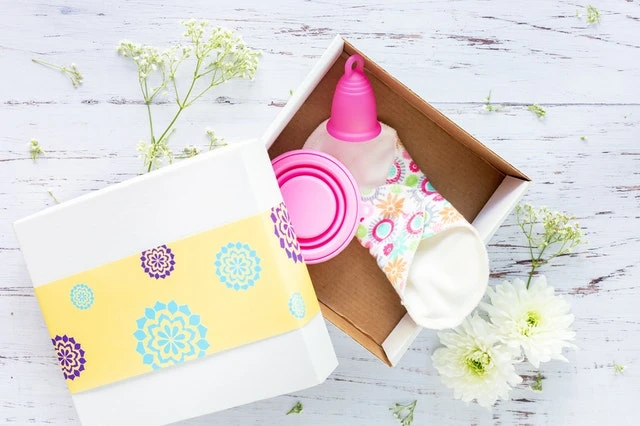

Women experience their menstruation differently. Some have severe cramps, while others don't. Some symptoms may appear for some, while not for others.
This article tackles age-old questions about your period and provides concrete answers to help you understand your body better during your menstruation.
Irregular Cycles
The first condition is irregular periods. On the one hand, the normal menstrual cycle lasts for an average of 28 days. On the both
er hand, an irregular cycle follows an inconsistent pattern that could be shorter or longer than 28 days.
Often, irregular periods occur to teenagers hitting puberty, breastfeeding mothers, and elderly women on the verge of menopause. During such times, their bodies go through immense adjustments that influence the functions of their reproductive system.
Some of the causes of an irregular cycle include taking hormonal contraception, experiencing extreme weight changes, and having thyroid problems, endometriosis, and Polycystic ovary syndrome (PCOS). All these factors contribute to hormonal disturbances that prevent your body from following the normal cycle.
To know if you have irregular periods, track your monthly cycle through an app or diary. When necessary, you can also visit Singapore women’s clinic and have an ultrasound done by your gynaecologist.
Painful Periods
Besides irregularity, many women also experience painful cramps, also known as dysmenorrhea, during their menstruation. There are two types, mainly primary and secondary dysmenorrhea.
Teenagers and unwed women generally experience primary dysmenorrhea. They will feel extreme pain in their lower abdomen during the first two days of their period. This type of menstrual cramp tends to decrease in severity as women get older.
The second type is usually experienced by women in their late 30s and is caused by certain disorders such as fibroids, cysts, endometriosis or reproductive organ infection. The pain can be more extreme and can generally last for much longer than primary dysmenorrhea.
If menstrual pain becomes intolerable, you must visit your doctor and inquire about your condition. They can provide the necessary treatments to lessen the pain and detect early signs of other reproductive health concerns.
Heavy Bleeding
If you’re experiencing heavy bleeding, clinically known as menorrhagia, you only need to worry about certain discomforts. However, if heavy bleeding occurs on a regular basis, it may lead to anaemia. As such, it is important to have it checked as early as possible before having to resort to blood transfusion.
To know if you have menorrhagia, you should have experienced any of the following:
You require the simultaneous use of pads and tampons to prevent leaking.
You notice heavy flow soak through your tampons or pads regularly.
You experience large blood clots during heavy flow.
In addition, you might also experience the following symptoms as a result of extreme bleeding: headache, dizziness, palpitation, tiredness, and fainting.
This condition is particularly caused by hormonal imbalance, fibroids, adenomyosis, endometrial cancer, and early pregnancy complications. Unfortunately, most women disregard heavy bleeding as a natural occurrence, which leads to more severe complications. To prevent developing other health conditions, you should visit any women’s clinic Singapore wide when you experience symptoms of heavy bleeding.
Spotting
If you see brown spots or light bleeding on your undergarments or pads, that’s usually a sign of spotting. This happens when blood slowly travels from the womb to your vagina, causing red blood cells to break down and release a mineral called iron. This appears as brown or black, and this is what you see during spotting.
Women who have low hormone levels tend to be more prone to this condition. Similarly, if they have irregular periods, they can experience spotting as well.
Although it might seem benign, spotting can also suggest erosions in the womb or infection that needs to be treated properly. A regular gynaecologist examination and pap smear should be done regularly to clarify the situation.
Itchiness and Irritation
When you experience itchiness or irritation in your private area, it's usually due to the growth of fungi or infection. Normally, bacteria grow in your vagina, which is not harmful to your body. However, if it's combined with infection, it might lead to itchiness and irritation. A visit to any recommended women's clinic in Singapore and a simple swab test will suffice to remedy the situation.
Other Factors Affecting Your Period
Such conditions are usually a result of your diet, exercises, medication, stress, or existing health conditions. The things that you subject your body to have an effect on your menstrual cycle. If, for example, you’ve shifted to another diet resulting in extreme weight loss, your metabolism and reproductive system will be disrupted immensely. Likewise, lifestyle choices have an incredible effect on the biology of your body. As such, it’s important that you keep your body healthy to keep your periods as normal as possible.







Sign in to leave a comment.