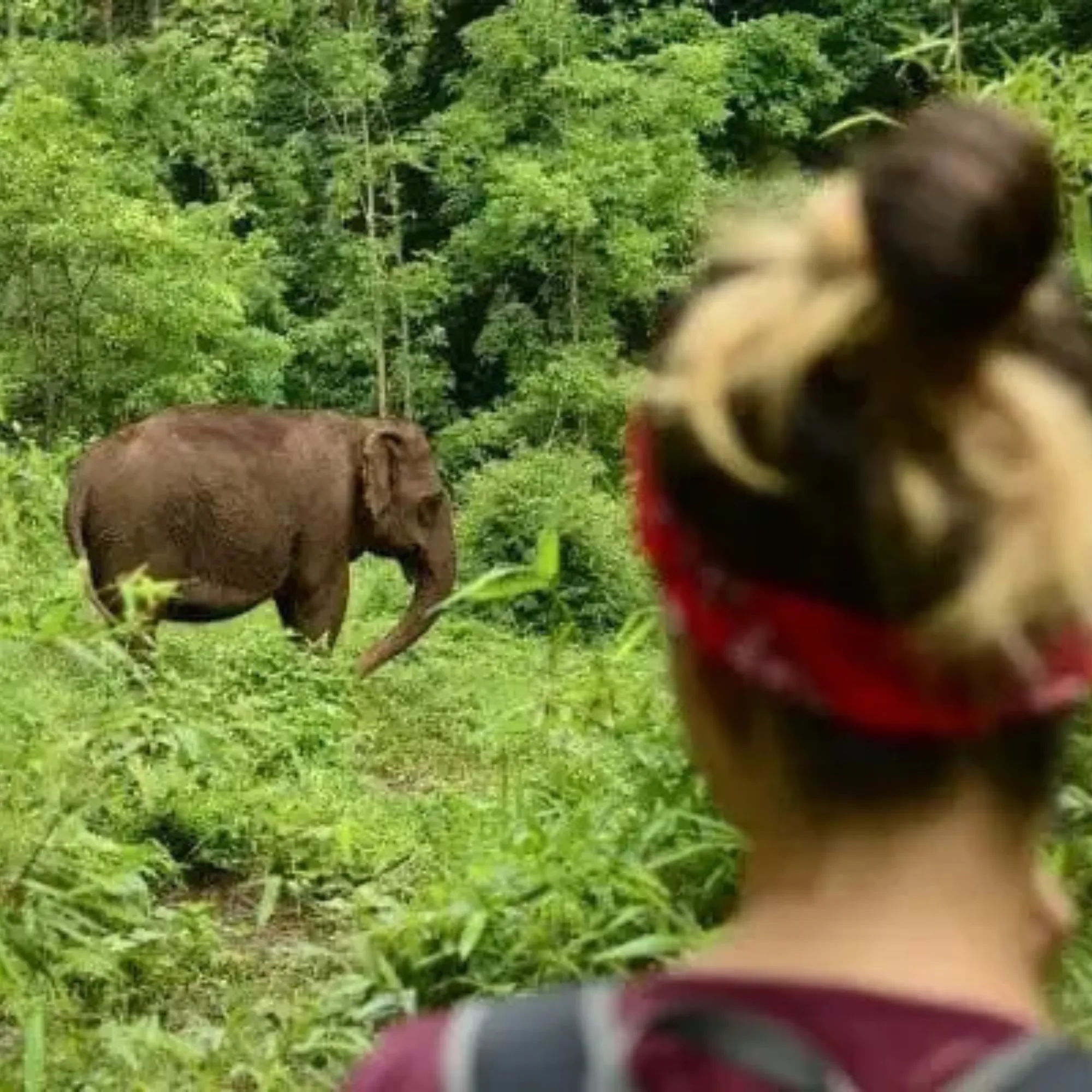

Aiding animals abroad may seem like an ideal combination of travel and purpose. However, if you would like to do animal volunteering abroad, there's more to deciding on a worthwhile project than picking a pretty place and the volunteer sign up.
The programme should do good for the animals and be acceptable to the local community, and should provide opportunities for volunteers to participate. It's important to have an understanding of what responsible animal volunteering entails as well as what you can expect when you arrive before you book your trip.
But what is Animal Volunteering Abroad really?
There are many different animal volunteer abroad projects. Volunteers can work with dogs and cats rescued from animal shelters, wildlife, marine animals, farm animals or conservation programmes depending on the organisation and destination.
The project may also be quite different. Some will be about feeding and/or cleaning the animals, some about animal enrichment, about maintaining habitats, about conservation research, about veterinary support or community education.
It is important because volunteering isn't always about the most exciting job. The task of cleaning up an enclosure and providing food and a safe environment can be as significant as time spent with animals.
A good project would clearly spell out your responsibilities before you get there.
Don't focus just on the end of the journey.
A big error that prospective volunteers make is selecting a project for where they want to go.
Other popular destinations, such as Cambodia, Costa Rica, South Africa and others, may present enticing opportunities but the location should not be the primary criterion.
Instead, ask:
- What is the problem that the project is solving?
- Who is responsible for the programme?
- Do local staff have a role in this?
- What will volunteers be doing?
- What do they do to the animals?
- Are welfare standards clearly defined at the organisation?
What does the volunteer fee pay for?
Here are some questions to ask to make sure it's the right project for you, and not just a pretty package tour.
Animal Welfare should be put first.
Animal volunteering abroad should never be about animals, it is always about animal welfare.
Appropriate feeding, handling, medical and rehabilitation procedures should be in place for good projects. Volunteers also should be instructed on what they can and cannot do.
Do not take for granted that the enthusiasm for animals necessarily equips one to care for injured animals or give medical care. The tasks of a specialist should be performed by trained specialists.
This is especially relevant for those who are thinking of taking a wildlife volunteer abroad programme. Wild animals may have different requirements to domestic animals and they may become stressed or act differently if forced into unnecessary contact with man.
The best programmes know that it's not about the volunteer's photo album, it's about the animals.
What to expect as a volunteer?
Each project is unique and flexibility is a must.
It can be started in the morning by preparing food and sanitising animal areas, with maintenance work or assisting staff with enrichment activities. Also, depending on your abilities and the project, you might be involved in education, conservation or community activities.
There may be days that are physically strenuous. You may be outside, exposed to heat, dirty conditions, odors, and/or repetitive work.
Not too glamorous, but it's just part of the job of animal welfare.
Having realistic expectations when approaching a placement can make it a much more rewarding experience.
Wildlife Volunteering Needs Additional Responsibility
The interaction of the programme with wild animals should be of particular interest to those interested in becoming a wildlife volunteer abroad.
Wildlife conservation is not the same as keeping animals for visitors to interact with. Ethical programmes must have a clear justification for human use and focus on the animals' natural behaviour and their welfare for the long-term.
Ask if project is involving conservation, rehabilitation, habitat protection, research or local education. Learn about the distance that can be maintained between volunteers and animals.
Such an offer of regular physically interacting with wild animals is good to investigate carefully.
You might be better off than you think because your skills can be more valuable than you think.
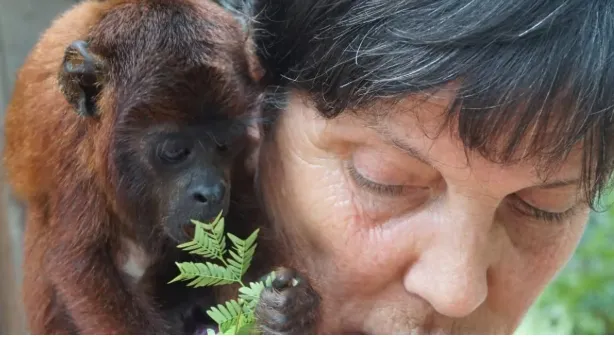
No special qualifications are required as a contributor.
There are many projects that require dependable individuals to work with them on the day-to-day basis. Useful skills can be anything from photography, social media, administration, construction, fundraising, teaching or communication depending on the placement.
Before traveling let the organisation know if you have any professional qualifications. A project could connect with your real-life experience and genuine need.
First time volunteers, enthusiasm, patience and willingness to follow instructions can be as important.
Consider the Local Community Also
Animal welfare is not an entity apart from the people who live around a project.
Long-term solutions can require local communities to have access to good veterinary care, to be involved in conservation efforts and to understand animal welfare.
When considering animal volunteering abroad, be sure to find a program that’s not just a location where foreign volunteers work, but one that seeks to build relationships with people in the community.
Local staff and local knowledge can increase a project's sustainability.
Does Volunteering Abroad with Animate Eligible You?
When you're thinking about a vacation in which you spend each day playing with animals, you might be in for a shock.
If, however, you are prepared to work, learn, follow instructions and occasionally do jobs that are less glamorous, volunteering can be a rewarding experience.
The most helpful attitude is to simply go to give, rather than to get.
Do background research on the organisation, understand the role before applying and ensure that animal welfare practices are clearly outlined in a project.
The agency aims to give you the opportunity to make your volunteer trip count.
Deciding to go overseas for animal volunteering is one that requires more consideration than just choosing a destination. If you want to aid a rescued domestic animal or become a wildlife volunteer in a different country, make sure that your efforts are needed.
Ask Questions, do some research about the organisation and come with an open mind.
Not all the best experiences of volunteering are the ones where you have the most contact with animals. They are the ones in which you can invest the time, skills and effort where they actually help the people and animals who need them.
Once you're ready for responsible animal volunteering abroad, begin your research and select a project that will allow you to make a positive difference, and not have the best trip ever.
Ready to make a difference? Get in touch today!



























Sign in to leave a comment.