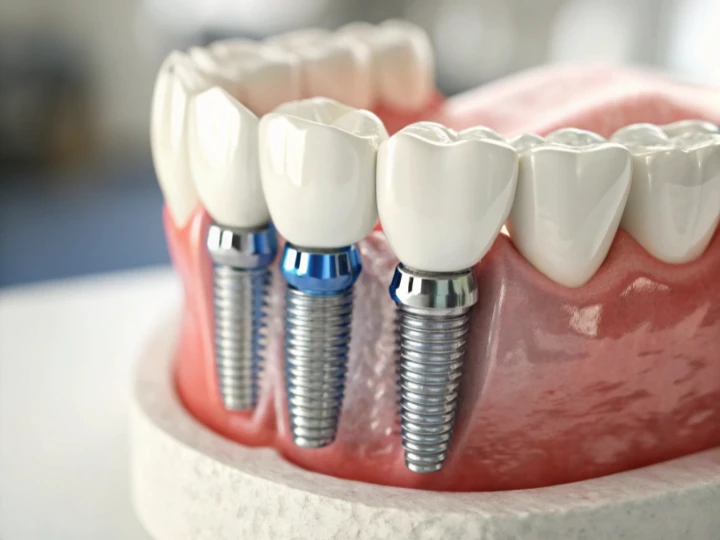

Losing a tooth can be more unsettling than people expect. It can affect how you eat, speak, and even how confident you feel when you smile. If you’ve found yourself searching for dental implants near me, it’s worth slowing down and understanding what implants really involve before making a decision. Dental implants can be a life-changing option for some people — but they’re not a one-size-fits-all solution.
What Are Dental Implants, Really?
Dental implants are artificial tooth roots, usually made from titanium, that are placed into the jawbone. Over time, the bone fuses with the implant, creating a strong foundation for a crown, bridge, or denture. The aim is to mimic the function of a natural tooth as closely as possible.
How They Differ From Other Tooth Replacement Options
Unlike dentures or bridges, implants don’t rely on surrounding teeth for support. They’re fixed in place, which means they won’t slip or need to be removed for cleaning. That stability is one of the main reasons people consider implants, especially after dealing with loose or uncomfortable alternatives.
Are You a Suitable Candidate?
Not everyone is automatically suited to dental implants. A few key factors come into play, and these are worth understanding early.
Jawbone Health Matters
Your jawbone needs enough density and strength to support an implant. If bone loss has already occurred — which often happens when a tooth has been missing for a long time — additional procedures like bone grafting may be needed.
General Health Plays a Role
Conditions such as uncontrolled diabetes, heavy smoking, or certain immune disorders can affect healing. This doesn’t always rule implants out, but it may influence timing, success rates, or whether another option is more appropriate.
What’s the Process Like?
Dental implants aren’t a quick fix. The process usually unfolds over several months and involves multiple stages.
Step-by-Step Overview
First, the implant is surgically placed into the jawbone. After that, there’s a healing period where the bone integrates with the implant. Once healed, a connector (abutment) and then the final tooth replacement are added. Each stage is carefully timed to allow proper healing.
Patience Is Part of the Journey
While the timeline can feel long, this slow approach is what gives implants their durability. Rushing the process can increase the risk of complications or implant failure.
Benefits That Go Beyond Appearance
While a natural-looking smile is a big drawcard, implants offer practical benefits too.
Improved Function and Comfort
Implants allow you to chew more efficiently and comfortably compared to removable options. They’re designed to feel stable, which many people say makes everyday activities feel more natural again.
Long-Term Oral Health
Because implants stimulate the jawbone, they help prevent the bone loss that often follows tooth loss. They also don’t require reshaping neighbouring teeth, helping preserve overall oral structure.
Things People Don’t Always Consider
Dental implants are often talked about positively, but it’s important to be aware of the less obvious aspects.
Cost and Commitment
Implants are typically more expensive upfront than other options. They also require a commitment to good oral hygiene and regular dental check-ups to maintain long-term success.
Surgery and Recovery
Although implant surgery is common and generally safe, it is still a surgical procedure. Swelling, discomfort, and recovery time should be factored into your decision.
Final Thoughts
Dental implants can be an excellent solution for missing teeth, offering stability, comfort, and long-term benefits. However, they’re not a decision to rush into. Understanding your own oral health, lifestyle, and expectations is key. Taking the time to weigh up the pros and cons — and asking the right questions — can help ensure you make a choice that truly suits you, not just now, but years down the track.
Frequently Asked Questions
1. How long do dental implants last?
With proper care, dental implants can last many years, and often decades. The crown may need replacement over time, but the implant itself is designed to be long-lasting.
2. Is getting a dental implant painful?
Most people report mild discomfort rather than pain. The procedure is usually done under local anaesthetic, and post-treatment soreness is generally manageable.
3. How long does the full implant process take?
From start to finish, the process can take anywhere from three to nine months, depending on healing time and whether additional procedures are needed.
4. Can older adults get dental implants?
Age alone isn’t a barrier. Many older adults successfully receive implants, provided they have suitable bone health and overall medical stability.
5. Are dental implants hard to maintain?
Not at all. They’re cared for much like natural teeth — regular brushing, flossing, and routine dental check-ups are essential.
Dapto Dentists
35 Baan Baan St, Dapto NSW 2530, Australia
+61242105987


Sign in to leave a comment.