

Imagine it’s 6:00 PM on a rainy Tuesday. You’re standing on a busy street corner, watching dozens of people stare frustratedly at their phones. They are toggling between apps, grumbling about "surge pricing" or the fact that no cars are available in their specific neighborhood.
As an entrepreneur, you don't just see a problem; you see a massive gap in the market. You think, "I could build something better for this city." But then reality hits. You start picturing the millions of lines of code, the complex GPS algorithms, and the mountain of capital needed to build a "titan" from scratch.
The dream often stalls right there. But what if you didn't have to reinvent the wheel? Entering the ride-hailing industry doesn't require you to be a Silicon Valley engineer. If you’re looking to disrupt the local market, you’ve likely come across the term Uber clone.
But before you write a single line of code or hire a development team, you need to understand the architecture of success. Is it better to build from scratch? What features actually matter in 2025? Here is the blueprint for launching a platform that rivals the giants.
Why Choose an Uber Clone Over a Custom Build?
One of the biggest hurdles for any startup is the technical "black hole" of development. While "custom-built" sounds premium, for a ride-hailing startup, choosing an Uber clone app is often the superior business move. Here’s why:
1. Drastic Reduction in Time-to-Market
A custom taxi booking script can take anywhere from 8 to 12 months to develop, test, and deploy. In the fast-moving tech world, that’s an eternity. An Uber clone script allows you to launch in a matter of weeks. By using a pre-validated architecture, you spend less time debugging and more time onboarding drivers.
2. Cost-Efficiency (Saving Your Runway)
Custom development requires a team of UI/UX designers, backend engineers, and QA testers, often costing upwards of $100,000. Choosing an Uber clone can save you up to 70% of those initial costs. This "saved" capital can then be diverted into what actually grows the business: marketing and driver incentives.
3. A Proven User Experience (UX)
Uber and Lyft spent billions perfecting the user journey. People are already "trained" to use a specific interface the map, the slider for vehicle types, and the one-tap booking. A Lyft clone or Uber-like script mirrors these familiar patterns, ensuring your users don't have a learning curve when they download your app.
Key Features Your App Needs to Compete
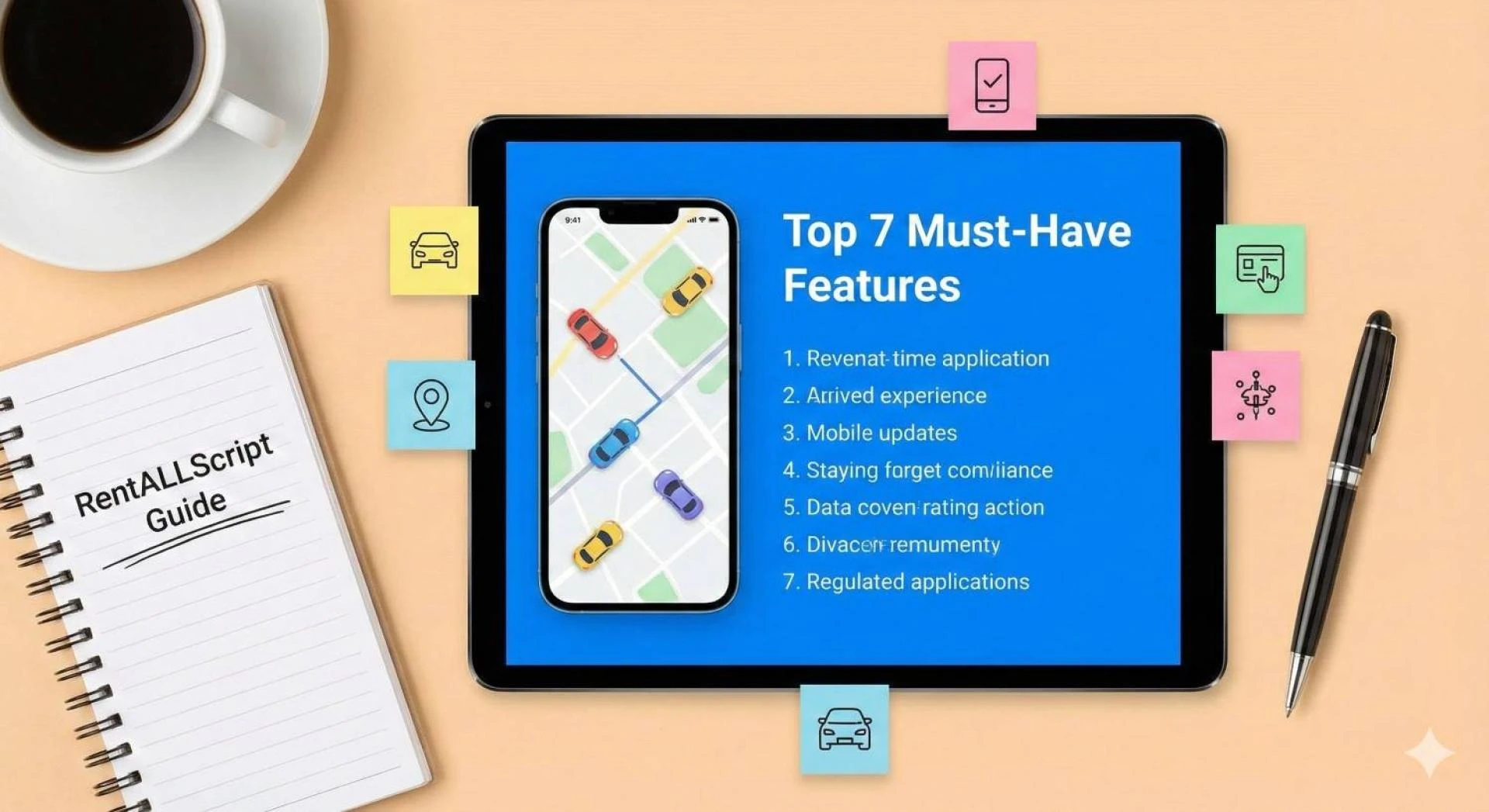
To stand out against the likes of Uber or a Lyft clone app, your software needs to be more than just a copy; it needs to be a refined tool.
- Real-Time Geofencing: Don't just track cars. Use geofencing to set specific boundaries for different pricing zones or service areas.
- Smart Dispatch Algorithm: Your taxi booking script should prioritize drivers not just by distance, but by their "heading" and historical performance to reduce ETAs.
- Multi-Payment Integration: Beyond credit cards, your taxi booking app must support local digital wallets, Apple Pay, and even "pay-by-link" to cater to diverse demographics.
- Safety Toolkit: In 2025, features like an SOS button, live trip sharing, and "hidden" phone numbers are no longer optional they are the standard.
Beyond the Script: The Business of Ride-Hailing
Purchasing a Lyft clone script or an Uber-style package is only the foundation. To rank in the app stores and gain user trust, you must localize.
Localization is your secret weapon. Giant corporations struggle to handle the nuances of specific cities. Perhaps your city needs a "female-only" driver mode, or maybe your region relies heavily on cash-based vouchers. By choosing a customizable Uber clone, you can tweak the core logic to solve local problems that the big players ignore.
Scalability and Future-Proofing
One common myth is that clones can't scale. However, modern Uber clone app solutions are built on "stackable" architectures like Node.js or Flutter. This means as your user base grows from 100 to 100,000, your server infrastructure can grow with you.
Final Thoughts
Starting a transportation business is no longer about owning a fleet of cars; it’s about owning the platform that connects the world. While a custom build offers total creative freedom, the speed, reliability, and cost-effectiveness of an Uber clone make it the logical choice for 90% of startups.
Do your research, choose a white-label provider with a solid reputation, and focus your energy on the streets—because that’s where the real competition is won.
Is it legal to use an Uber clone script?
Yes. An “Uber clone” is a white-label solution that mirrors ride-hailing functionality. As long as the software uses original code and avoids Uber’s branding or proprietary assets, it’s a legal way to build a competing service.
Do I own the source code when I buy a clone?
It depends on the provider. Reputable vendors usually include full source code ownership, which is essential for customization, third-party integrations, and long-term scalability.



























Sign in to leave a comment.