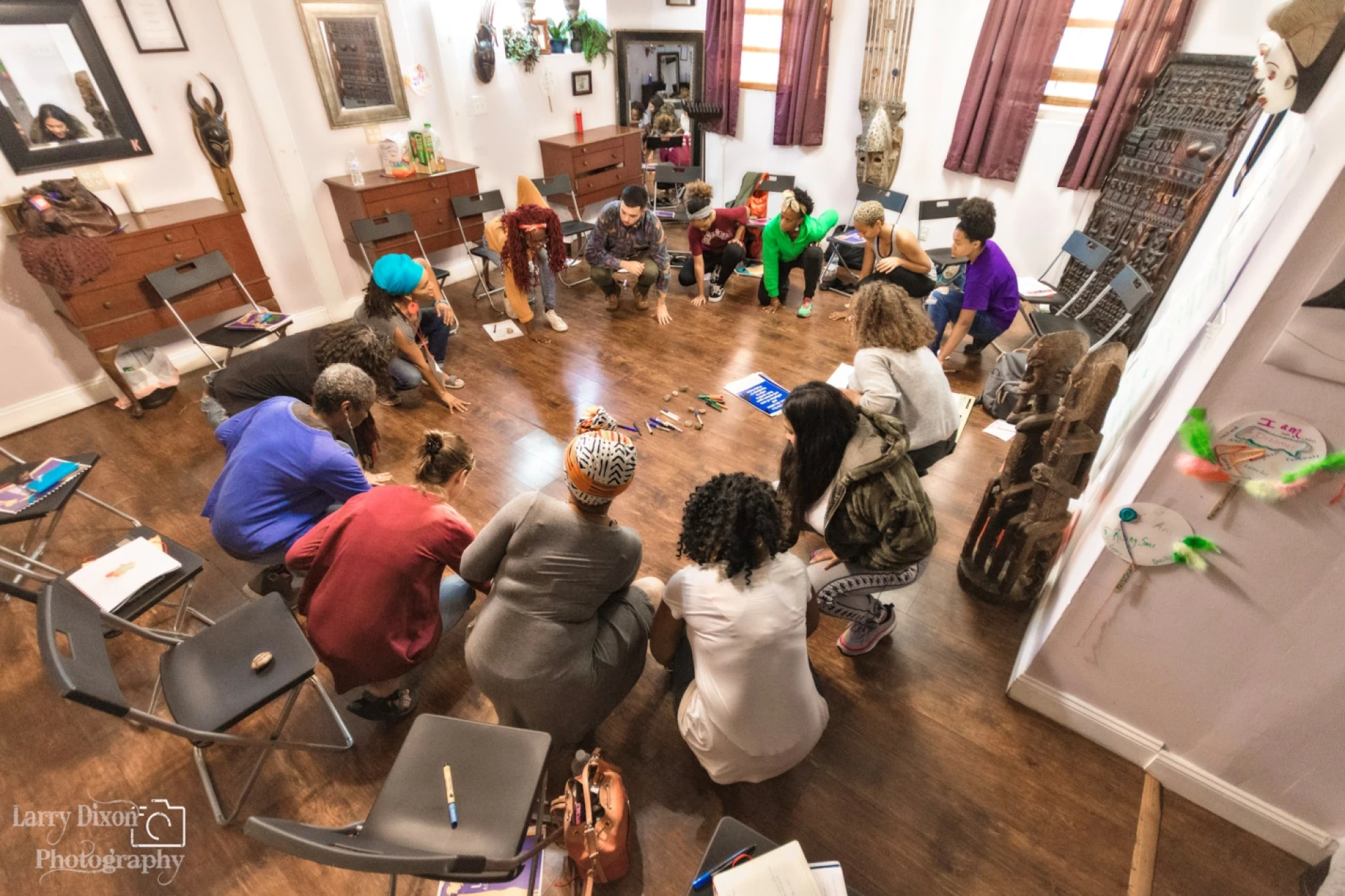

In a culture that prizes productivity over presence, many professionals move from one meeting to the next without a moment to check in with themselves. Over time, this disconnection from the body can lead to chronic stress, emotional exhaustion, and burnout. Somatic tools, practices that bring awareness to the body, offer a way to interrupt this cycle.
You don’t need an hour-long yoga session or a silent retreat to reset. In fact, some of the most effective somatic tools can take less than five minutes and can be practiced right in your office, car, or breakroom. These micro-practices not only reduce stress but also restore your emotional balance, improve your focus, and help you move through the day with more intention.
Here are three simple somatic tools you can use between meetings to ground yourself and return to your work with clarity and care.
1. Three-Part Breath
What It Is:
A foundational breathwork technique drawn from yoga traditions, three-part breathing encourages deep diaphragmatic breathing in three stages: into the belly, ribs, and chest.
How to Practice:
1. Sit comfortably or stand with both feet flat on the floor.
2. Close your eyes or soften your gaze.
3. Place one hand on your belly and the other on your chest.
4. Inhale slowly through your nose, filling your belly first, then your ribs, and finally your chest.
5. Exhale in reverse: chest, ribs, then belly.
6. Repeat for 5 cycles.
Why It Works:
This practice activates the parasympathetic nervous system, which helps slow your heart rate, reduce anxiety, and bring you into a more grounded state. It also signals to your body that you’re safe, which is essential for emotional regulation, especially after high-stakes conversations or stressful meetings.
2. Sensory Reset (5-4-3-2-1 Grounding Exercise)
What It Is:
A quick grounding practice that reorients you to the present moment by tuning into your five senses. It’s especially helpful if you feel overwhelmed, scattered, or mentally fatigued.
How to Practice:
Take a deep breath, and then notice:
· 5 things you can see
· 4 things you can feel
· 3 things you can hear
· 2 things you can smell
· 1 thing you can taste
You can do this silently or journal your responses if time allows.
Why It Works:
The 5-4-3-2-1 method shifts your attention away from mental loops and back into your body and surroundings. This tool is often used in somatic-centered learning programs in Philadelphia as a quick and powerful practice for young people and educators alike to reconnect with their bodies during transitional moments.
3. Shake and Reset

What It Is:
A natural way to release tension and regulate the nervous system, inspired by how animals shake off stress in the wild. This practice invites gentle, rhythmic movement to discharge built-up energy.
How to Practice:
1. Stand with your feet shoulder-width apart.
2. Start by shaking your hands, then your arms, shoulders, legs, and feet.
3. Let your whole body join; bounce gently at the knees, roll your shoulders, even sway your torso.
4. Keep breathing deeply and let yourself move for 1–2 minutes.
5. When you’re done, pause. Place a hand on your heart or belly and take three grounding breaths.
Why It Works:
Shaking stimulates lymphatic flow, increases circulation, and helps regulate cortisol, the stress hormone. It allows your body to complete a stress cycle and start fresh. For those working in educational environments, integrating this practice between classes or after challenging discussions can be a simple and effective strategy for burnout prevention for educators, supporting both personal well-being and classroom dynamics.
Integrating Somatic Practices into Your Workday
You don’t have to wait for burnout to begin caring for your nervous system. These three micro-practices are about pausing, feeling, and responding — instead of pushing through. Over time, regularly tuning into your body builds resilience, emotional regulation, and self-trust.
Here are some tips to integrate these tools into your day:
· Set reminders before or after meetings to pause for breath or a quick shake.
· Normalize body breaks in your organizational culture. Invite colleagues to practice with you.
· Reflect weekly on how these practices shift your energy, clarity, or presence.
In liberation-focused work, burnout is often the result of overextending, overperforming, or being disconnected from ourselves. These somatic tools are not just wellness practices; they are acts of resistance and reclamation. They support us in coming back to our bodies, to our needs, and to a rhythm that honors both rest and responsibility.
What If We Valued Restoration as Much as Output?
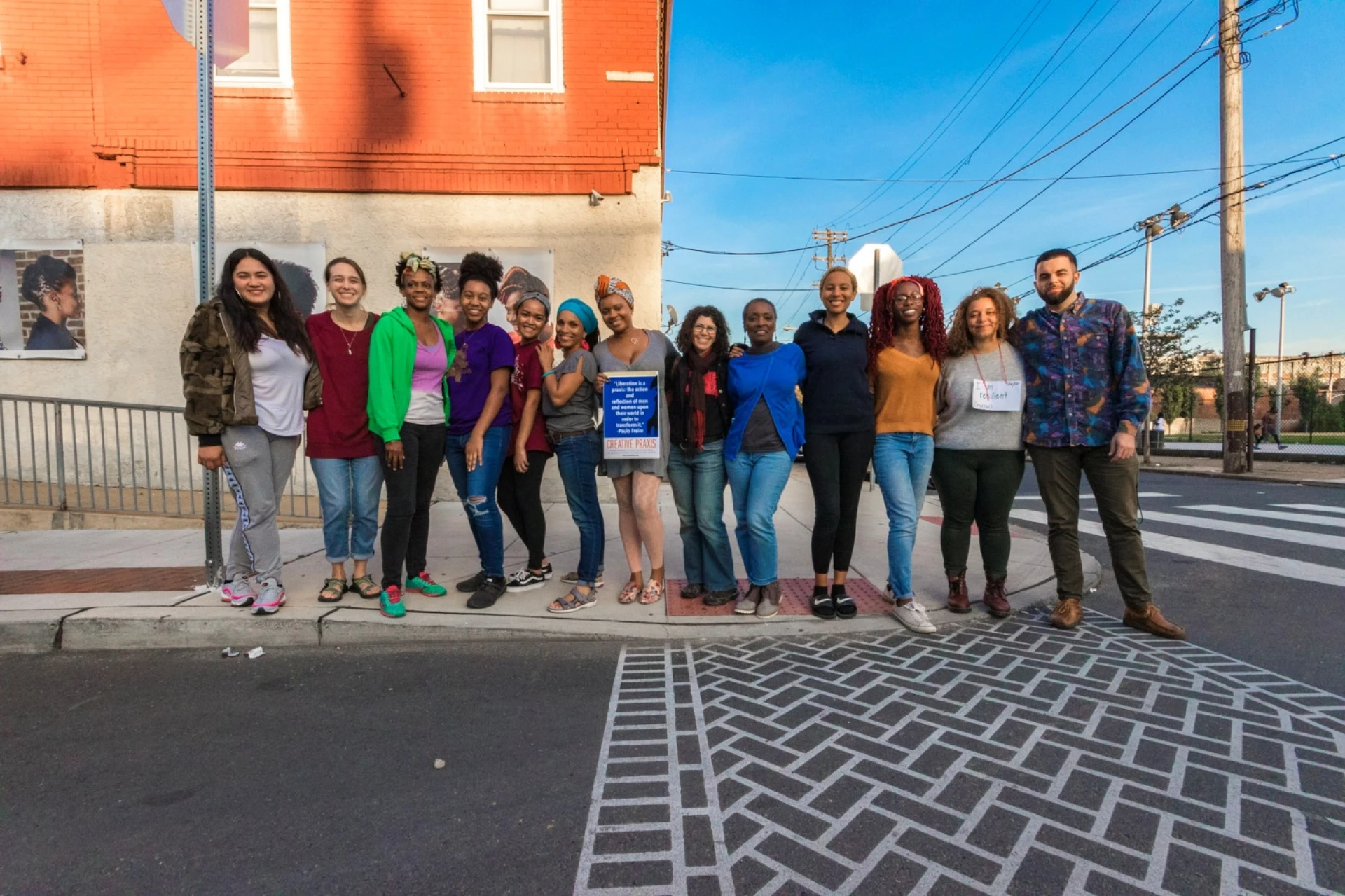
What might become possible in your workday if you paused to check in with your body instead of rushing to the next task? At Creative Praxis, they believe that wellness and sustainability are vital to community leadership and education.
Their burnout prevention training for educators offers tools like these to help individuals and teams reconnect with themselves and one another. Through somatic-centered learning and embodied group practices, they support professionals in building restorative routines that sustain their work and well-being. Whether in-person or virtual, their culturally responsive, trauma-informed education is rooted in justice, care, and collective resilience.
Contact them today to explore somatic-centered trainings, workshops, and wellness-based professional development opportunities.





























Sign in to leave a comment.