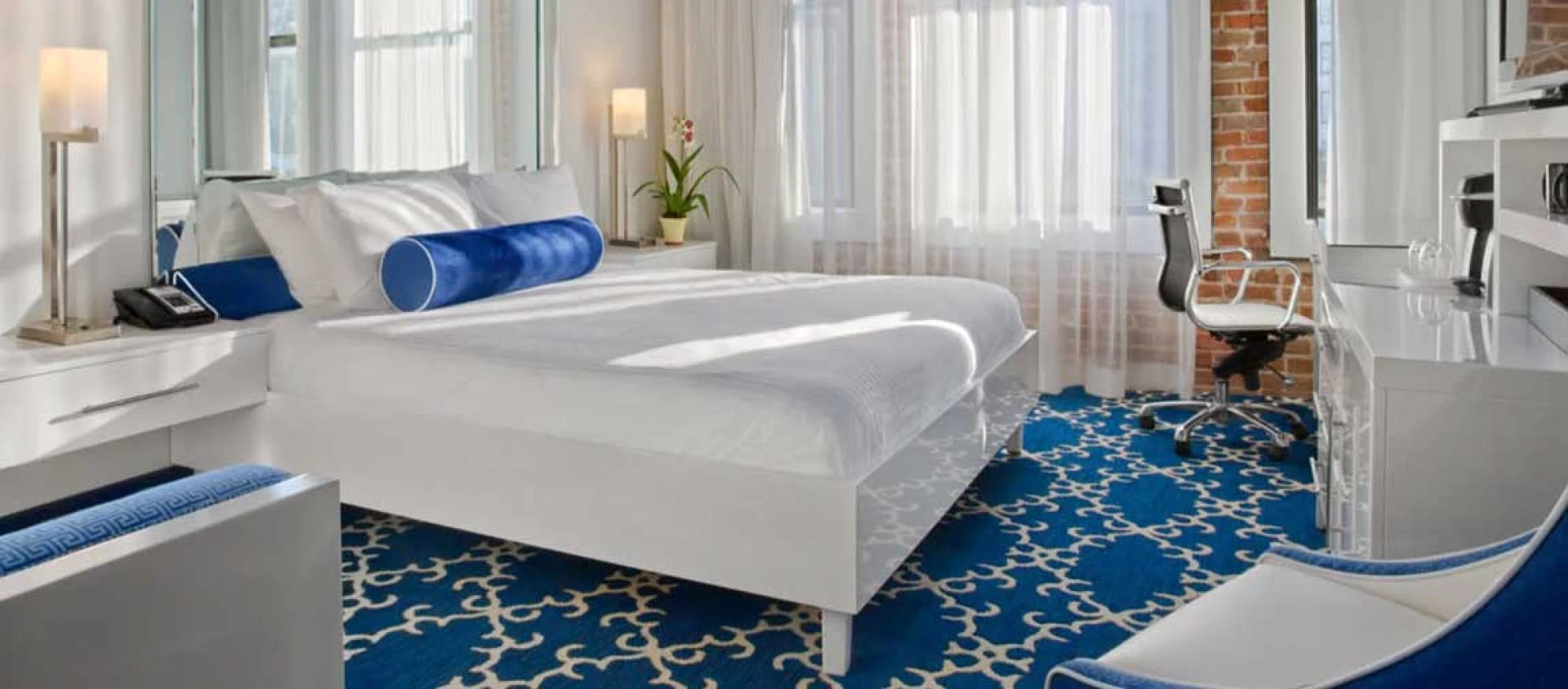

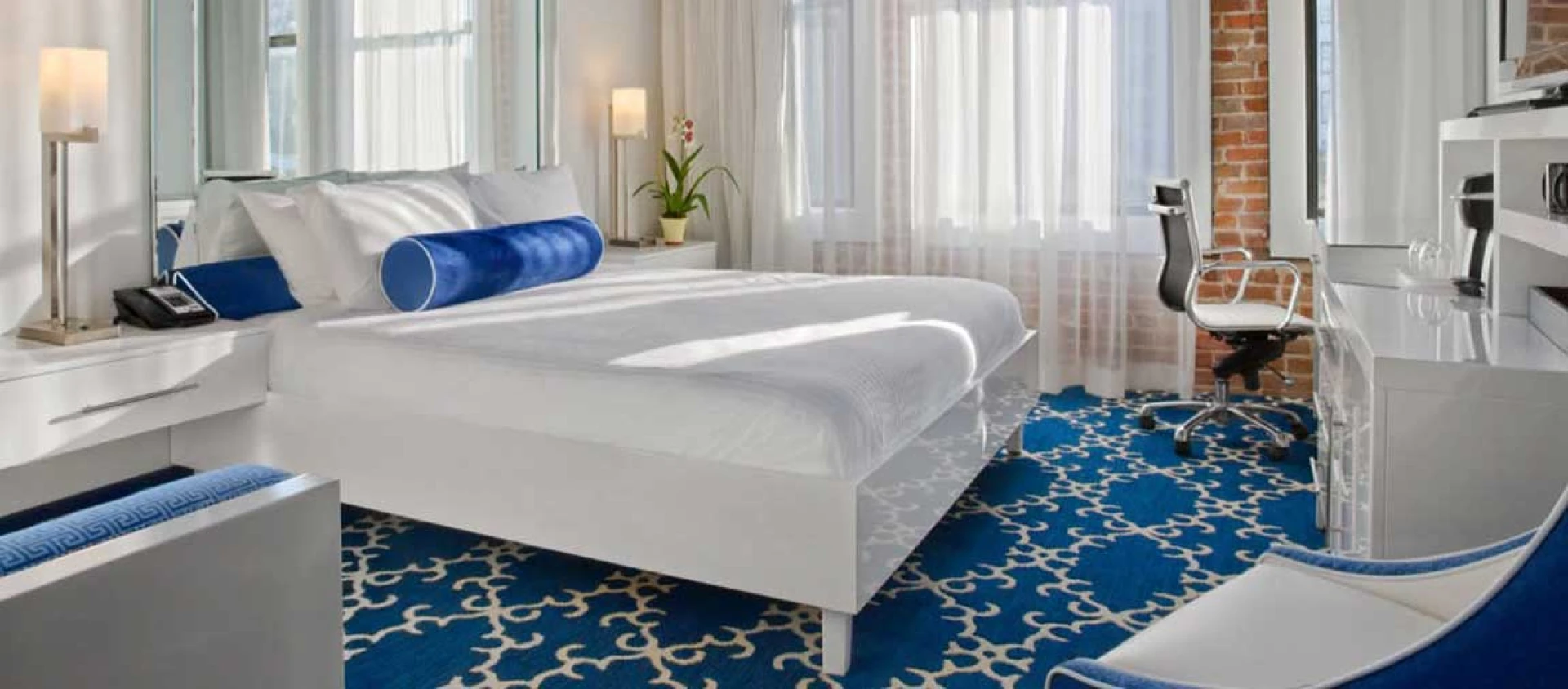
As a hotel manager, maintaining the appearance and functionality of your furniture during high-traffic seasons is essential for ensuring guest satisfaction and protecting your investment. Peak travel periods, such as holidays, summer vacations, and conferences, can strain your furniture, leading to wear and tear. By following proactive care strategies, you can keep your furniture in excellent condition while extending its lifespan. This guide provides actionable tips for hotel furniture care during busy seasons.
1. Prioritize Preventative Maintenance
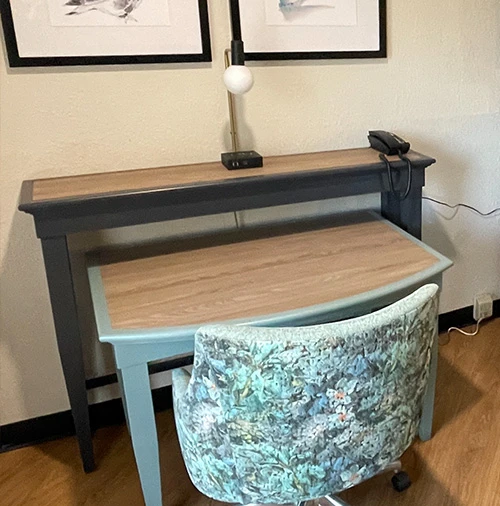
Preventative maintenance is the cornerstone of furniture care. Addressing potential issues before they escalate minimizes damage and reduces long-term repair costs.
· Regular Inspections: Conduct weekly inspections of furniture in guest rooms, lobbies, and dining areas to identify early signs of wear, such as loose screws, scratches, or stains.
· Protective Coatings: Apply protective finishes to wooden furniture to prevent water rings, scratches, and fading caused by frequent use.
· Furniture Pads: Use felt pads under chair and table legs to reduce scratches on floors and prevent furniture movement.
2. Train Staff for Proper Handling
Your housekeeping and maintenance staff play a critical role in preserving hotel furniture. Ensuring they are trained in proper handling and cleaning techniques is vital.
· Lifting Techniques: Train staff to lift furniture rather than dragging it to avoid damaging legs and floors.
· Cleaning Protocols: Use appropriate cleaning agents for different materials, such as leather, wood, or fabric, to avoid discoloration or degradation.
· Quick Responses: Empower staff to address spills, stains, and minor damages immediately to prevent long-term effects.
3. Invest in High-Quality Furniture Covers
Protective covers are invaluable during high-traffic seasons, particularly for upholstered furniture in lobbies, banquet halls, and guest rooms.
· Slipcovers: Use washable slipcovers on sofas and chairs to shield them from spills and stains.
· Table Protectors: Add tablecloths or glass tops to dining and side tables for an additional layer of protection.
· Seasonal Rotations: Rotate furniture pieces regularly to balance wear and ensure certain items aren’t overused.
4. Deep Clean Regularly
Increased guest turnover during peak seasons requires more frequent deep cleaning to maintain furniture hygiene and appearance.
· Upholstered Furniture: Use steam cleaners to remove deep-seated dirt, allergens, and odors from sofas, chairs, and headboards.
· Wood Surfaces: Polish wooden furniture with a microfiber cloth and appropriate cleaners to restore shine and remove smudges.
· Carpets and Rugs: Clean area rugs and carpets near furniture to prevent the spread of dust and grime onto furniture surfaces.
5. Address Common Issues Promptly
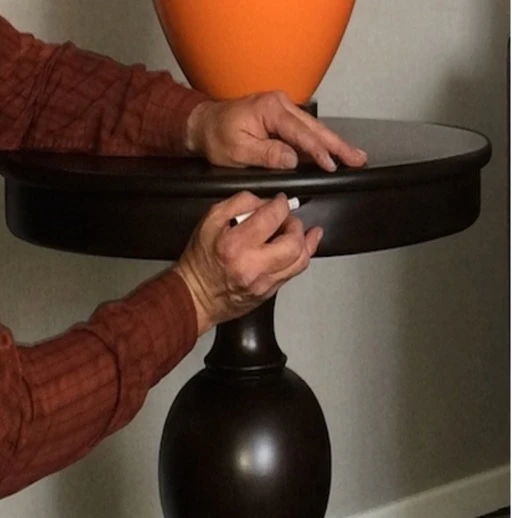
High-traffic seasons can exacerbate common furniture issues. Address these promptly to avoid disruptions to guest experiences.
· Loose Joints: Tighten screws and bolts on chairs, tables, and bed frames to maintain stability.
· Fabric Tears: Repair small fabric tears or scratches with patches or repair kits to prevent further damage.
· Cushion Flattening: Fluff and rotate cushions to maintain their shape and comfort.
6. Plan for Professional Maintenance
Professional maintenance ensures your furniture remains in top condition, even under the strain of high usage.
· Quarterly Inspections: Hire professionals to inspect furniture and recommend necessary repairs or replacements.
· Refinishing Services: Use refinishing services for wooden furniture to refresh its appearance and remove deep scratches or stains.
7. Optimize Furniture Placement
Strategic furniture placement minimizes wear and promotes functionality in high-traffic areas.
· Traffic Flow: Arrange furniture to create clear walkways, reducing the risk of accidental bumps and damage.
· Protective Barriers: Place rugs or mats under furniture in heavy-use areas to reduce direct contact with flooring.
· Zoning: Divide spaces into zones with distinct furniture arrangements to balance usage across the area.
8. Select Durable and Easy-to-Clean Materials
During the furniture procurement process, opt for materials designed to withstand heavy use and simplify maintenance.
· Stain-Resistant Fabrics: Choose upholstery with built-in stain resistance for guest rooms and public areas.
· Scratch-Resistant Finishes: Use scratch-resistant laminates or finishes for dining tables and desks.
· Metal Frames: Invest in metal-framed furniture for durability in high-use spaces like gyms or patios.
9. Schedule Off-Season Restorations
Use off-peak seasons to complete in-depth restorations and replacements without impacting guest experiences.
· Furniture Repairs: Replace missing hardware, fill in scratches, and repair broken parts.
· Repainting and Staining: Refresh painted or stained furniture to restore its original appeal.
· Inventory Updates: Assess your furniture inventory to identify pieces nearing the end of their lifecycle and plan replacements accordingly.
Conclusion
Caring for hotel furniture during high-traffic seasons requires a proactive approach that combines regular maintenance, staff training, and strategic planning. By implementing the strategies outlined in this guide, you can protect your furniture investment, enhance guest satisfaction, and maintain the high standards your guests expect.
Invest in the Future of Your Hotel with Furniture Repair Services from Pip Pros
Extend the life of your furnishings with expert hotel furniture repair and refurbishment from Pip Pros. Their hotel furniture restoration and touch-up services keep your space pristine. Contact them today for top-tier furniture repair for the hospitality industry!




























Sign in to leave a comment.