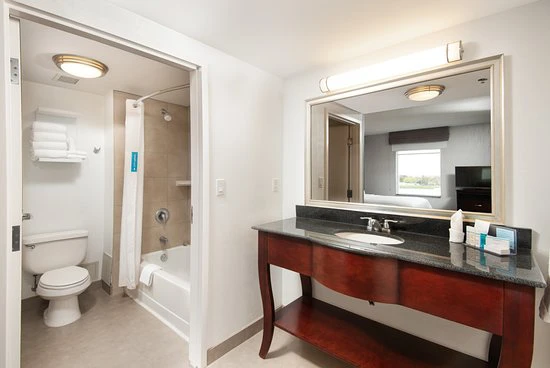

The sleek, custom-designed aesthetic of built-in furniture is often a hallmark of contemporary hospitality spaces. From integrated headboards with subtle lighting to clever seating nooks that maximize floor plans, built-in pieces offer a sense of seamlessness and sophisticated efficiency. As hospitality architects, we frequently advocate for their use, understanding their immense value in creating a cohesive and upscale guest experience. However, a common misconception we encounter is the belief that built-in furniture, by its very nature, is maintenance-free. While it certainly offers advantages in terms of stability and integration, the reality is that hotel furniture maintenance remains a critical ongoing concern, even for the most immaculately installed built-ins.
The Illusion of Permanence: Why Built-Ins Aren't "Set It and Forget It"
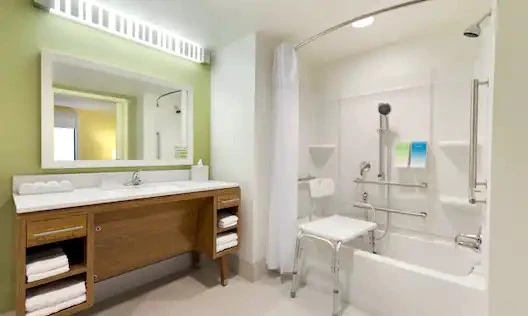
There's an understandable allure to built-in furniture – it looks permanent, almost structural. Unlike freestanding pieces that can be easily moved or replaced, built-ins are integrated into the very fabric of the building. This often leads to the mistaken assumption that they are impervious to the wear and tear that affects other furnishings. Guests, staff, and even some hotel owners might view them as extensions of the walls or floors, therefore requiring minimal attention.
However, built-in furniture is still furniture. It's constructed from materials that are susceptible to scratches, dents, spills, and general degradation over time. While the framework might be robustly anchored, the exposed surfaces – veneers, laminates, fabrics, and finishes – are constantly interacting with guests and the environment. Consider a built-in desk in a hotel room: it's used for laptops, coffee cups are placed upon it, and luggage might accidentally scuff its edges. Each interaction contributes to its eventual deterioration.
The Hidden Stressors: What Built-Ins Endure Daily
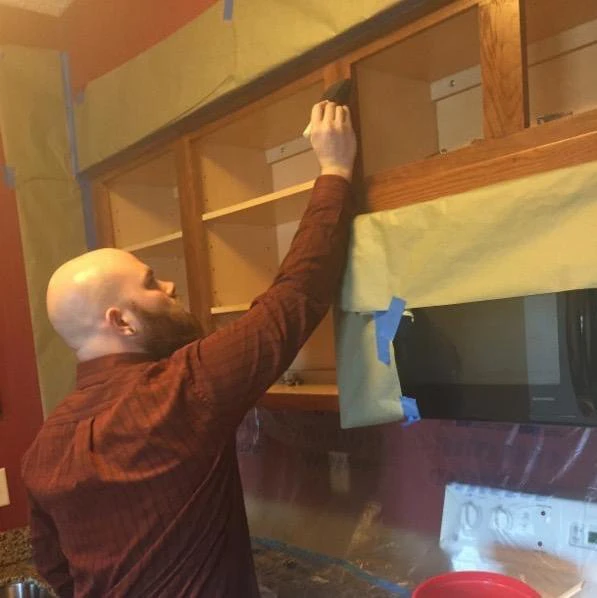
The unique environment of a hotel puts built-in furniture under constant stress. Unlike a piece of furniture in a private home, hotel furniture is subjected to:
High Traffic and Constant Use
A single hotel room might see dozens, if not hundreds, of different guests in a year. Each guest interacts with the built-in elements – opening and closing drawers, sitting on benches, leaning against headboards. This cumulative usage far exceeds that of a typical residential setting, accelerating wear and tear.
Diverse User Habits
Guests have varying habits and levels of care. Some might be meticulous, while others might be less mindful. Spills, scratches from jewelry, and scuffs from shoes are all commonplace occurrences that impact built-in surfaces.
Cleaning Regimes and Chemical Exposure
Rigorous cleaning schedules are essential for hotel hygiene. However, the cleaning agents used, even those seemingly mild, can contribute to the degradation of finishes over time. Abrasive cloths or incorrect cleaning techniques can also cause damage.
Temperature and Humidity Fluctuations
Hotels, especially those with central climate control, can experience variations in temperature and humidity. These fluctuations can cause materials like wood to expand and contract, leading to warping, cracking, or delamination of veneers.
Incidental Damage
From luggage being dragged across a built-in shelf to a child drawing on an integrated desk, incidental damage is an unavoidable reality in the hospitality sector. While some of these might be isolated incidents, they collectively contribute to the need for ongoing maintenance.
The Cost of Neglect: Why Proactive Maintenance Saves Money
Ignoring the maintenance needs of built-in furniture can have significant financial repercussions for hotel owners. What starts as a minor scuff or a loose hinge can quickly escalate into a more substantial problem, ultimately requiring costly repairs or even full replacement.
Diminished Guest Experience
First and foremost, poorly maintained built-in furniture directly impacts the guest experience. A chipped desk, a wobbly integrated bench, or a faded headboard can create an impression of neglect and lower the perceived value of the room. This can lead to negative reviews, reduced repeat bookings, and ultimately, a decline in revenue.
Accelerated Depreciation
Just like any asset, furniture depreciates over time. However, a lack of proper maintenance significantly accelerates this process. A piece of built-in furniture designed to last 10-15 years might show signs of severe deterioration in half that time if neglected, necessitating premature replacement.
Higher Repair Costs
Delaying repairs often means that what could have been a simple, inexpensive fix turns into a more complex and costly endeavor. A small scratch, if not addressed, can deepen and widen, requiring more extensive refinishing. A loose joint, left unattended, can lead to structural instability.
Brand Image Erosion
For hotel chains, brand consistency is paramount. If built-in furniture in various properties shows signs of disrepair, it can erode the overall brand image and reputation, suggesting a lack of attention to detail and quality across the portfolio.
The Imperative of a Proactive Maintenance Program
Even with the most thoughtful architectural design, the longevity and aesthetic appeal of built-in furniture ultimately hinge on a robust and proactive maintenance program. This involves:
· Regular Inspections: Daily or weekly checks by housekeeping and maintenance staff to identify minor issues before they escalate.
· Preventative Measures: Applying protective coatings, using furniture pads, and educating staff on proper cleaning techniques.
· Timely Repairs: Addressing scuffs, chips, loose fittings, and stains promptly.
· Professional Servicing: Engaging specialists for more complex repairs or periodic deep cleaning and refinishing.
· Training Staff: Ensuring that all staff, from housekeepers to front desk personnel, understand the importance of reporting damage and the correct handling of built-in elements.
Conclusion
In conclusion, while built-in furniture offers undeniable benefits in terms of design integration and space optimization, it is not a magic solution to the perennial challenge of hotel furniture maintenance. As hospitality architects, we see these custom pieces as long-term investments that, like any valuable asset, require ongoing care and attention to truly deliver on their promise of enduring elegance and functionality.
Keep Your Hotel Furniture in Top Shape All Year Long with Maintenance Services from Pip Pros
Ensure your hotel rooms shine with Pip Pros' professional hotel furniture refinishing and on-site hotel furniture repair. Their hotel furniture experts provide comprehensive hotel furniture care and hotel furniture solutions for all your hotel wooden furniture, delivering top-tier hotel furniture repair services and ongoing hotel furniture maintenance. Contact them now to learn more.






























Sign in to leave a comment.