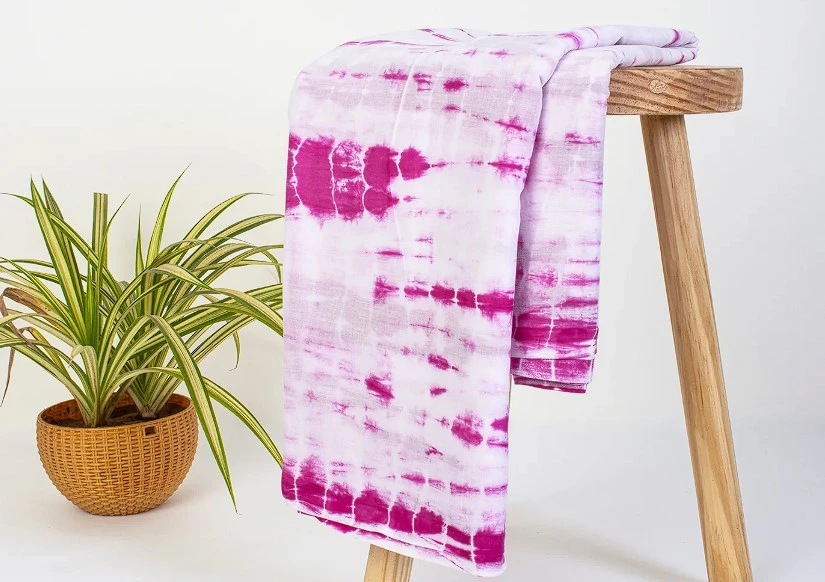
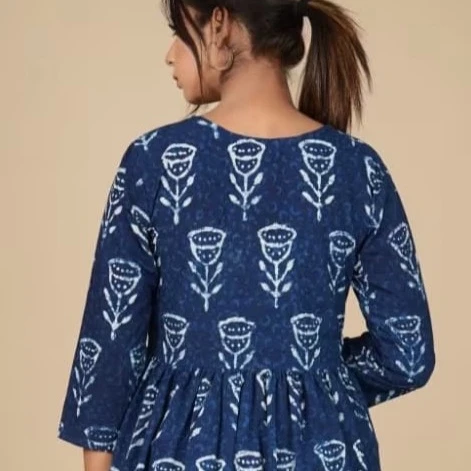
The art of Tie and Dye Shibori Fabric is one of the most mesmerizing traditional crafts that blends artistic expression with textile innovation. Originating from Japan and embraced across India, Shibori and Tie Dye have evolved into timeless fabric art forms used in fashion, décor, and home textiles. At DMAASA, we celebrate this craft through our exquisite Shibori Print Fabric collections, handcrafted by artisans who keep this ancient technique alive with a modern touch.
What Is Tie and Dye Shibori Fabric?
Shibori is a traditional dyeing method that involves folding, twisting, or binding fabric before immersing it in dye. This resist-dyeing process creates striking patterns that vary depending on the technique and material used. Tie and Dye Shibori Fabric shares a similar concept, where sections of cloth are tied tightly to resist the dye, producing unique color contrasts and organic motifs.
The beauty of Shibori and Tie Dye lies in their unpredictability — no two fabrics are ever identical. Each piece tells a story of craftsmanship, spontaneity, and creativity, making them perfect for home décor textiles such as cushion covers, table runners, bed linens, and curtains.
Types of Shibori Techniques Used in Home Textiles
The art of Shibori dyeing offers a wide range of techniques, each producing distinctive visual effects. Here are some popular styles that inspire contemporary home textile designs:
1. Kanoko Shibori (Traditional Tie Dye)
This classic technique involves binding sections of the fabric with thread before dyeing. The result is a cluster of circular or spotted patterns, perfect for creating bohemian throw blankets, sofa covers, and table linens.
2. Arashi Shibori (Pole Wrapping)
Fabric is wrapped around a pole and tightly bound before dyeing. The outcome is a diagonal stripe pattern resembling rain — ideal for curtains, bed covers, or runners that need an elegant, dynamic touch.
3. Itajime Shibori (Shape Resist)
In this geometric technique, the fabric is folded and sandwiched between wooden blocks or clamps before dyeing. The result is symmetrical, angular designs that complement modern home décor beautifully.
4. Miura Shibori (Loop Binding)
This method uses hooks or strings to gather the fabric loosely before dipping it in dye. The outcome is a water-like ripple pattern that suits cushion covers and throws for a calming, organic appeal.
5. Nui Shibori (Stitched Resist)
Artisans hand-stitch intricate patterns into the fabric before dyeing, then remove the stitches post-process to reveal delicate motifs. This technique is popular in luxury home textile collections for its refined, handcrafted detail.
Tie and Dye Shibori Fabric in Home Décor
Shibori Print Fabric has become a go-to choice for home interiors due to its versatile and aesthetically charming qualities. Here’s how Tie and Dye Shibori adds beauty and soul to home textiles:
- Curtains and Drapes: Add movement and personality to your living spaces with flowing Shibori curtains in indigo and white hues.
- Cushion Covers: Mix and match Shibori cushions in different shades and patterns to create an artistic seating area.
- Table Linen: Elevate your dining setup with Shibori tablecloths and runners, infusing artisanal elegance into your meals.
- Bedding and Quilts: Soft Shibori duvet covers and Kantha quilts bring comfort and artistry together for a peaceful bedroom retreat.
Every item brings a touch of serenity inspired by nature, blending traditional dyeing techniques with contemporary design aesthetics.
The Process Behind Tie and Dye Shibori Fabric
The creation of Tie and Dye Shibori Fabric is both an art and a science. Artisans begin with pure cotton or silk fabric, chosen for its absorbent texture. They then fold, tie, stitch, or bind the material using resist techniques before immersing it in natural or synthetic dyes.
At DMAASA, we emphasize sustainable practices by using eco-friendly dyes and organic cotton fabrics, ensuring that every piece remains gentle on both your skin and the planet. The final product is washed, dried, and ironed — revealing the unique, one-of-a-kind patterns that define the charm of Shibori art.
Why Choose Shibori Print Fabric for Home Textiles?
Choosing Shibori Fabric means investing in timeless artistry, sustainability, and quality. Here’s why it stands out:
- Eco-Friendly Dyeing: Minimal water waste and natural dyes make Shibori an environmentally conscious choice.
- Handcrafted Authenticity: Each piece is crafted by skilled artisans, ensuring exclusivity and craftsmanship.
- Versatility: From boho-chic to minimalistic styles, Shibori complements all interior themes.
- Durability: Premium cotton and dyeing methods ensure that the colors stay vibrant for years.
With DMAASA’s Shibori collections, you not only decorate your home — you celebrate heritage, creativity, and slow fashion.
FAQs About Tie and Dye Shibori Fabric
Q1. What makes Shibori different from Tie and Dye?
Shibori is a specific Japanese technique involving folding, twisting, and stitching, while Tie and Dye is a broader term for any resist-dyeing process using tied sections.
Q2. Can Shibori fabrics be used for upholstery?
Yes, Shibori cotton fabrics are durable enough for upholstery, cushion covers, and home décor textiles.
Q3. Are Shibori dyes eco-friendly?
At DMAASA, we use natural and low-impact dyes to create sustainable and skin-safe fabrics.
Q4. How do I care for Shibori textiles?
Handwash gently in cold water using mild detergent to maintain color vibrancy and texture.
Q5. Where can I buy authentic Tie and Dye Shibori Fabric?
Explore DMAASA’s online collection, offering handcrafted, sustainable Shibori Print Fabrics perfect for fashion and home décor.
Conclusion
The magic of Tie and Dye Shibori Fabric lies in its blend of heritage and artistry. Whether it’s a soft Shibori throw, elegant curtains, or chic table linen, this age-old craft continues to transform homes with its timeless beauty. At DMAASA, we take pride in reviving traditional techniques while embracing sustainable modern design.
Bring home the art of Shibori — where every fold, twist, and dye tells a story of creativity and craftsmanship.
























Sign in to leave a comment.