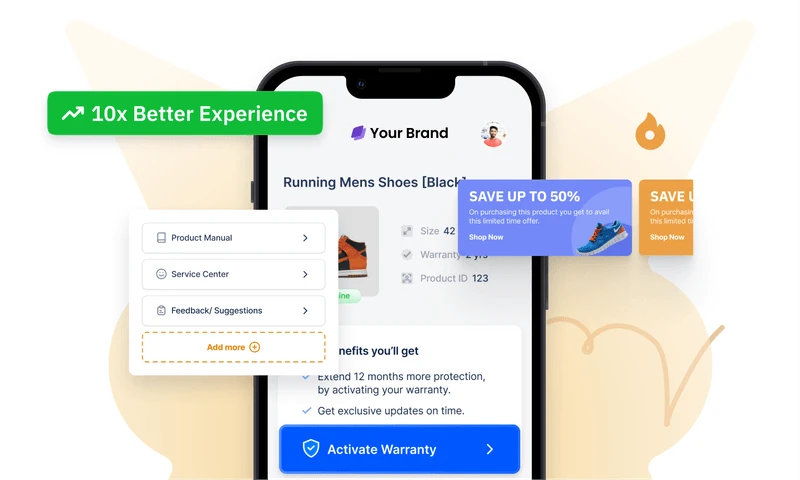

In today's competitive marketplace, managing warranties effectively is more crucial than ever for brands. Warranties not only serve as a promise of quality and reliability but also play a significant role in customer satisfaction and loyalty. As consumer expectations continue to evolve, brands must adopt efficient warranty management practices to stay ahead. Let's explore why effective warranty management matters and how brands can optimize this critical aspect of customer service.
Why Effective Warranty Management Matters
Customer Satisfaction: A well-managed warranty process ensures timely resolution of issues, which enhances overall customer satisfaction and trust in the brand.
Brand Reputation: Efficient warranty handling contributes to a positive brand image and fosters customer loyalty, leading to repeat business and positive word-of-mouth recommendations.
Operational Efficiency: Streamlining warranty processes reduces operational costs associated with returns, repairs, and replacements.
Compliance and Regulations: Proper warranty management ensures compliance with legal requirements and industry standards, minimizing risks and liabilities.
Strategies for Optimizing Warranty Management
1. Implement Automated Systems
Utilize warranty management software to automate processes such as warranty registration, claims processing, and tracking. Automation reduces manual errors, speeds up response times, and provides real-time insights into warranty performance.
2. Offer Transparent Warranty Terms
Clearly communicate warranty terms and conditions to customers at the point of sale. Provide information on coverage, duration, and claim procedures to manage customer expectations and avoid disputes.
3. Streamline Claims Processing
Simplify the warranty claims process by enabling customers to submit claims online or through mobile apps. Invest in a user-friendly interface that allows easy upload of proof of purchase and tracking of claim status.
4. Enhance Warranty Tracking and Analytics
Utilize data analytics to track warranty claims, identify trends, and assess the performance of warranty programs. Use insights to optimize product design, improve quality control, and enhance customer support.
5. Offer Value-Added Services
Enhance the perceived value of warranties by offering additional services such as extended coverage, preventive maintenance reminders, or loyalty rewards for repeat customers.
6. Collaborate with Service Partners
Establish partnerships with reliable service providers or authorized repair centers to expedite repairs and replacements. Ensure seamless coordination between brands, retailers, and service partners to deliver a hassle-free warranty experience.
7. Provide Proactive Customer Support
Anticipate customer needs by providing proactive support throughout the warranty period. Reach out to customers with helpful tips, product updates, and reminders about upcoming warranty expirations.
Conclusion
Effective warranty management is a critical component of customer service and brand reputation. By adopting streamlined processes, leveraging technology, and prioritizing transparency, brands can optimize warranty management to drive customer satisfaction, strengthen brand loyalty, and enhance operational efficiency. Embracing proactive approaches and continuously refining warranty strategies will enable brands to stay competitive and resilient in an ever-evolving marketplace.


























Sign in to leave a comment.