

Bringing home a puppy is pure joy—wagging tails, clumsy paws, and endless cuddles. But behind the cuteness lies an important responsibility: training your puppy to grow into a well-behaved, confident dog. The good news? Puppy training doesn’t have to be stressful. With the right approach, it becomes a bonding adventure.
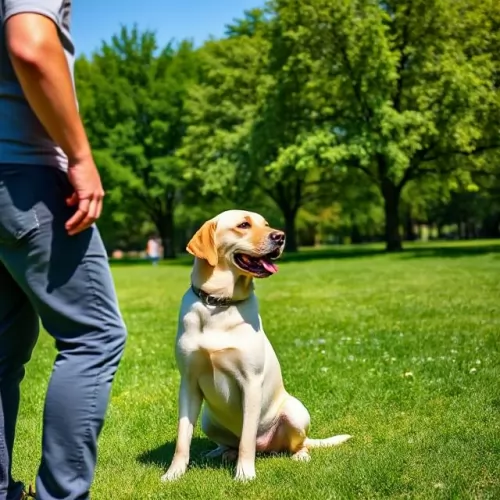
Start Training Earlier Than You Think
Puppies begin learning from the moment they arrive home. Between 8–16 weeks, their brains are like sponges. This is the ideal window to introduce basic habits such as responding to their name, gentle handling, and understanding routines.
Consistency Beats Perfection
You don’t need to be a professional trainer—just be consistent. Use the same words for commands, reward good behavior immediately, and keep rules the same across all family members. Mixed signals confuse puppies and slow progress.
Positive Reinforcement Is the Secret Sauce
Forget harsh corrections. Puppies learn faster when rewarded with:
- Small treats
- Praise and happy tones
- Playtime or toys
Reward the behavior you want to see more of, and your puppy will happily repeat it.
House Training: Build a Routine, Not Pressure
Take your puppy outside:
- After waking up
- After meals
- After playtime
Celebrate successes enthusiastically. Accidents will happen—stay calm. Punishment only creates fear, not learning.
Socialization Shapes Personality
Expose your puppy to new people, sounds, surfaces, and safe animals early on. Proper socialization helps prevent fear, aggression, and anxiety later in life. Short, positive experiences work best.
Keep Training Sessions Short and Fun
A puppy’s attention span is short. Aim for 5–10 minute sessions, 2–3 times a day. End on a positive note so your puppy looks forward to the next lesson.
Patience Builds Trust
Every puppy learns at a different pace. Progress may feel slow some days, but patience strengthens trust—and trust is the foundation of all successful training.
Training Is More Than Commands
Teaching “sit” and “stay” is important, but real training is about:
- Building communication
- Creating confidence
- Developing a lifelong bond
Final Thought
A trained puppy isn’t just obedient—it’s secure, happy, and deeply connected to you. Start early, stay kind, and enjoy the journey. Those tiny paws grow fast, but the lessons you teach today last a lifetime.























Sign in to leave a comment.