
Books are one of the best investments you can make for a child. They build vocabulary, spark imagination, and create memories that last well into adulthood. But if you have ever tried to keep up with a voracious young reader, you know that the costs can add up fast.
The good news is that you can buy kids books online without emptying your wallet. With a few smart strategies, you can build a solid home library while staying within your budget. Here is how to do it.
Why Buying Online Makes Financial Sense
Shopping for books online offers advantages that physical stores often cannot match. You have access to more options, better price comparisons, and deals that are not available in brick-and-mortar locations.
Price Transparency
When you buy kids books online, you can compare prices across multiple retailers in minutes. This makes it easy to find the lowest price without driving from store to store. A book that costs full price at one site might be discounted at another.
Access to Used Books
Online marketplaces make it simple to find used copies of books. A gently used book reads the same as a new one, and the savings can be significant. Sites dedicated to secondhand books have made this option more accessible than ever.
Sales & Promotions
Online retailers run sales frequently. Holiday promotions, back-to-school deals, and random flash sales can knock significant percentages off your order. Signing up for email newsletters keeps you informed about these opportunities.
Set a Book Budget
Before you start shopping, decide how much you want to spend on books each month or quarter. Having a number in mind helps you make intentional choices rather than impulse purchases.
Track Your Spending
Keep a simple record of what you buy and how much you spend. This does not have to be complicated. A note on your phone or a spreadsheet works fine. Tracking helps you stay accountable and see patterns over time.
Prioritize Quality Over Quantity
It is better to have a smaller collection of books your child loves than a huge pile of books that never get read. Focus on finding titles that will be read multiple times rather than buying everything that catches your eye.
Shop Secondhand First
Used books are one of the best ways to save money when you buy kids books online. The selection is often surprising, and the prices are hard to beat.
Dedicated Used Book Sites
Websites like ThriftBooks, Better World Books, and AbeBooks specialize in secondhand books. They rate the condition of each book so you know what to expect. Shipping is often free or very low-cost, especially if you meet a minimum order amount.
Marketplace Sellers
Large retail sites like Amazon and eBay have marketplace sellers offering used books alongside new copies. Check these listings before buying new.
Local Online Sales
Facebook Marketplace, Nextdoor, and similar platforms sometimes have parents selling collections of children's books. These local sales can offer great deals.
Take Advantage of Sales & Discounts
New books do not have to cost full price. With a little patience and awareness, you can snag deals that make buying new affordable.
Seasonal Sales
Retailers typically offer discounts during major shopping periods. Black Friday, Cyber Monday, back-to-school season, and holiday sales are all opportunities to stock up.
Coupon Codes
Before checking out, do a quick search for coupon codes. Sites like Honey and RetailMeNot aggregate codes that can save you a few dollars.
Loyalty Programs
Some bookstores offer loyalty programs that reward repeat customers. Barnes & Noble, for example, has a membership that provides discounts and free shipping.
Consider Subscription Services
Book subscription boxes have become popular with families. These services send curated books to your door each month based on your child's age and interests.
Cost Per Book
When evaluating a subscription, calculate the cost per book. Some subscriptions offer good value, especially if they include hardcovers or multiple books per shipment.
Gift Subscriptions
If grandparents or other family members ask what to give your child, suggest a book subscription. This spreads the cost across gift-givers and keeps books coming throughout the year.
Do Not Overlook Library Sales
Libraries regularly hold sales to clear out donated books and make room for new acquisitions. These sales are goldmines for budget-conscious book buyers.
In-Person Sales
Check your local library's website or bulletin board for sale announcements. Prices are usually just a dollar or two per book, and you can often find titles in excellent condition.
Online Library Sales
Some library systems have moved their sales online, allowing you to browse and buy kids books online through their platforms. This is especially convenient if you cannot make it to an in-person sale.
Buy in Bundles
Purchasing books in bundles or box sets often costs less per book than buying individual titles.
Series Box Sets
If your child enjoys a series, look for box sets that include multiple books at a discounted price. This is a good strategy for both new and used purchases.
Themed Bundles
Some retailers and sellers offer bundles grouped by theme, age, or genre. These can introduce your child to new titles while saving money compared to individual purchases.
Be Strategic About New Releases
New releases typically come out at full price. If you can wait, prices often drop within a few months.
Wishlist & Wait
Add new releases to a wishlist instead of buying immediately. Check back periodically to see if the price has dropped or if used copies have become available.
Request at the Library
For books you are not sure about, request them at the library first. This lets your child read the book without a financial commitment. If they love it, you can purchase a copy later.
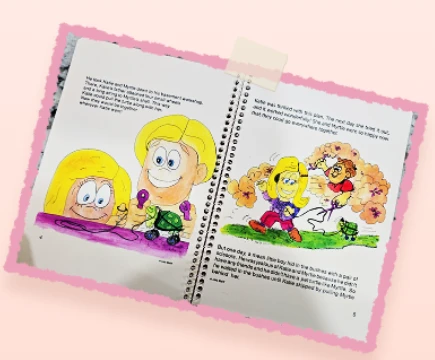
That said, some new releases are worth buying right away. Books by authors you trust or titles that address topics your child cares about can justify the investment. "Myrtle the Turtle" by Bruce M. Wermuth is one of those books that parents find worth owning because of its meaningful lessons about problem-solving, kindness, and building confidence. When a book has lasting value, paying full price makes sense.
Use Cashback & Rewards Programs
If you are going to buy kids books online anyway, you might as well earn something back.
Cashback Sites
Websites like Rakuten and TopCashback offer a percentage back on purchases made through their links. The amounts are small per transaction but add up over time.
Credit Card Rewards
Some credit cards offer bonus rewards for purchases at bookstores or general retail. Check your card's benefits and use the right card when buying books.
Store Credit Programs
Retailers like Amazon sometimes offer promotional credits for choosing slower shipping or for other actions. These credits can be applied to future book purchases.
Teach Kids About Budget-Friendly Buying
Getting kids involved in the book-buying process can be educational. They learn about budgeting, comparison shopping, and making choices with limited resources.
Give Them a Book Budget
Consider giving your child a small monthly budget for books. Let them decide how to spend it. They will learn to weigh options and make decisions about what matters most to them.
Show Them How to Find Deals
Walk your child through the process of comparing prices and finding used copies. These are life skills that extend beyond book buying.
Building a Library Over Time
You do not need to buy dozens of books at once. A home library grows gradually, and that is okay.
Quality Foundations
Start with books you know your child will love and return to. "Myrtle the Turtle" is the kind of book that becomes a bedtime favorite because it tells a story children connect with emotionally. Building a foundation of meaningful titles gives your library staying power.
Add Steadily
Set a goal to add a few books each month. Over the course of a year, that turns into a respectable collection. Consistent, budget-friendly purchases add up without straining your finances.
Rotate & Donate
As your child outgrows certain books, donate or sell them. This keeps your collection manageable and can even fund future purchases.
Final Thoughts
You do not have to spend a fortune to raise a reader. When you buy kids books online with a plan, you can find great titles at prices that fit your budget. Shop secondhand, watch for sales, use rewards programs, and be patient with new releases.
The goal is not to own the most books but to have the right books. Focus on quality, involve your child in the process, and enjoy building a library together.






























Sign in to leave a comment.