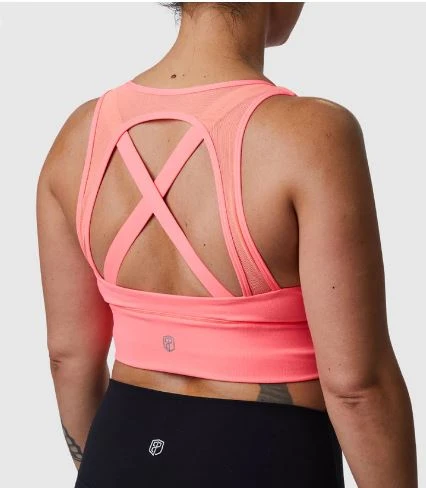

Wearing a supportive sports bra is essential for any woman engaging in physical activity. The right sports bra provides comfort and support and helps prevent damage to breast tissue, reducing the risk of injury and discomfort.
Types of Sports Bras Available:
Several types of sports bras are available, including compression, encapsulation, and combination bras. Compression bras compress the breasts against the chest, while encapsulation bras have separate cups for each breast. Combination bras offer a mix of compression and encapsulation support.
Factors to Consider When Choosing a Sports Bra:
When choosing a sports bra, it's important to consider factors such as your body size and shape, the level of impact of the activity, and the supportive features of the bra. You should measure your bust and underbust to determine your size and consider your body shape and type of activity to choose the most suitable bra for you. Additionally, the level of impact of the activity should be taken into account, as different levels of impact require different levels of support. Supportive features to look for in a sports bra include adjustable straps and bands, wide straps for comfort, encapsulation and compression support, and breathable and moisture-wicking materials.
In conclusion, wearing a supportive sports bra is crucial for any woman participating in physical activity. With the right type of sports bra, women can prevent discomfort, injury, and damage to breast tissue. When choosing a sports bra, it's important to consider factors such as body size and shape, activity level, and supportive features to ensure the best fit and support for your needs.
Determine your body size and shape
One of the key factors in choosing the right sports bra is determining your body size and shape. Here are some steps to take to help you find the right fit:
Measure your bust and underbust: Take a measuring tape and measure around the fullest part of your bust and around the ribcage just below your breasts. Ensure the tape measure is level and not too tight or loose.Determine your cup size: Subtract your underbust measurement from your bust measurement to determine your cup size. For example, if your bust measurement is 36 inches and your underbust measurement is 32 inches, the difference is 4 inches, which would give you a cup size of D.Consider your body shape and type of activity: Your body shape can also play a role in determining the type of sports bra you need. For example, you may need a bra with more support if you have a larger bust. The type of activity you will be doing can also impact the bra you need. You may need a sports bra with more support and compression for high-impact activities such as running or jumping.By measuring your bust and underbust and determining your cup size, you can get a good starting point for finding the right size sports bra. It's also important to consider your body shape and the type of activity you will be doing to ensure you get the right level of support and comfort from your sports bra. Considering these factors, you can find the perfect sports bra that fits your needs and helps you perform at your best.
Consider the level of impact
The level of impact of the activity you will be doing is an important factor to consider when choosing a sports bra. Here are some key points to consider:
Low, medium, or high-impact activities: Different activities have different levels of impact on your body. For example, yoga is considered low-impact, while running and jumping are high-impact activities.Sports bras suitable for each level of impact: Sports bras come in different levels of support, which are suitable for different levels of impact. You can opt for a sports bra with light support for low-impact activities, such as yoga. For medium-impact activities, such as cycling or hiking, you may need a bra with more support, such as a compression bra. For high-impact activities, such as running or jumping, you should choose a bra with maximum support and compression to minimize bounce and reduce the risk of discomfort or injury.Benefits of choosing a sports bra based on impact level: Choosing a sports bra appropriate for the level of impact of your activity can help reduce breast movement, minimize discomfort and pain, and prevent damage to breast tissue. By providing the right level of support, a sports bra can also improve your posture and help you to perform at your best during physical activity.In conclusion, it's important to consider the level of impact of your activity when choosing a sports bra. Different levels of impact require different levels of support, and selecting a sports bra appropriate for the level of impact can help reduce discomfort, pain, and the risk of injury. By providing the right level of support, a sports bra can help you to perform at your best and ensure that you stay comfortable and protected during physical activity.
Look for supportive features
When choosing a sports bra, it's important to look for supportive features that will help keep you comfortable and protected during physical activity. Here are some features to consider:
Adjustable straps and bands: Sports bras with adjustable straps and bands allow you to customize the fit and level of support for your body. This is especially important for women with larger busts or those who need more support during high-impact activities.Wide straps for comfort: Wide straps distribute the weight of your breasts more evenly, reducing discomfort and pressure on your shoulders. Look for sports bras with wider straps for added comfort and support.Encapsulation and compression support: Encapsulation bras have separate cups that encapsulate each breast, while compression bras compress the breasts against the chest wall. Both types of bras can provide excellent support during physical activity, so choose the one that feels most comfortable for you.Breathable and moisture-wicking material: Look for sports bras made from breathable and moisture-wicking material, such as polyester or spandex. These fabrics help to wick away sweat from your skin and keep you cool and dry during physical activity.By looking for these supportive features, you can choose a sports bra that is comfortable, supportive, and tailored to your specific needs. Whether you need adjustable straps and bands, wide straps for comfort, or compression support, many sports bras can provide the level of support you need to stay comfortable and protected during physical activity. Additionally, choosing a sports bra made from breathable and moisture-wicking material can help keep you cool and dry, even during intense workouts.
Try on and test out
Trying on and testing out a sports bra is crucial to ensure that it provides the right level of support and comfort for your body and activity level. Here are some tips for trying on and testing out a sports bra:
How to properly try on a sports bra: Start by loosening the straps and clasps on the bra. Put on the bra and adjust the straps and band to ensure a snug fit. The band should be level and firm without digging into your skin. The cups should enclose each breast completely without any bulges or gaps.Test the fit by jumping or jogging in place: Once you have put on the sports bra, test the fit by jumping or jogging in place. This will help you determine if the bra provides enough support and is comfortable enough for your activity level.Signs of a poorly fitting sports bra: If the sports bra is too loose, it will not provide enough support, and your breasts will bounce uncomfortably. If the bra is too tight, it can cause chafing or restrict your breathing. Signs of a poorly fitting sports bra also include straps that dig into your shoulders or a band that rides up your back.It's essential to try on and test out a sports bra before purchasing it to ensure that it provides the right level of support and comfort for your body and activity level. Testing the fit by jumping or jogging will help you determine if the bra is appropriate for your needs. If the sports bra does not fit properly, it can cause discomfort, pain, and even injury. By following these tips, you can find a sports bra that fits well and allows you to perform at your best during physical activity.
Final Considerations
When choosing a sports bra, there are several final considerations to keep in mind. These include cost and quality, maintenance and care, and when to replace a sports bra
Cost and quality: Sports bras vary in price, and finding a balance between cost and quality is essential. A high-quality sports bra may be more expensive upfront, but it can provide better support and last longer, making it a better value in the long run.Maintenance and care: Proper maintenance and care can help extend the life of your sports bra. Always follow the care instructions on the label, and avoid using fabric softeners or bleach, which can damage the elastic fibers. It's also essential to air dry your sports bra to prevent shrinkage and maintain its shape.When to replace a sports bra: Over time, the elastic fibers in a sports bra can lose their elasticity, leading to reduced support and discomfort. It's recommended to replace a sports bra every 6-12 months, depending on how frequently it is worn and how well it has been cared for. Signs that a sports bra needs to be replaced include a loose or stretched-out band, straps that slip or dig into your shoulders, or cups that no longer provide enough support.By considering cost and quality, properly maintaining and caring for your sports bra, and replacing it as needed, you can ensure that it continues to provide the support and comfort you need for your physical activities. Choosing the right sports bra is essential for your overall comfort and health, so take the time to find one that fits well and meets your needs.
Conclusion
Choosing the right sports bra is crucial for both your comfort and health during physical activity. A supportive sports bra can help prevent breast pain and discomfort, reduce the risk of injury, and improve your overall performance.
When choosing a sports bra, consider your body size and shape, the level of impact of your activity, and the supportive features that are most important to you. It's also essential to try on and test out a sports bra before purchasing it to ensure a proper fit.
In addition, considering the cost and quality of the sports bra, properly maintaining and caring for it, and knowing when to replace it are all important final considerations.
Go ahead and buy a gym bra or women's sports bra from our website at great prices.











Sign in to leave a comment.