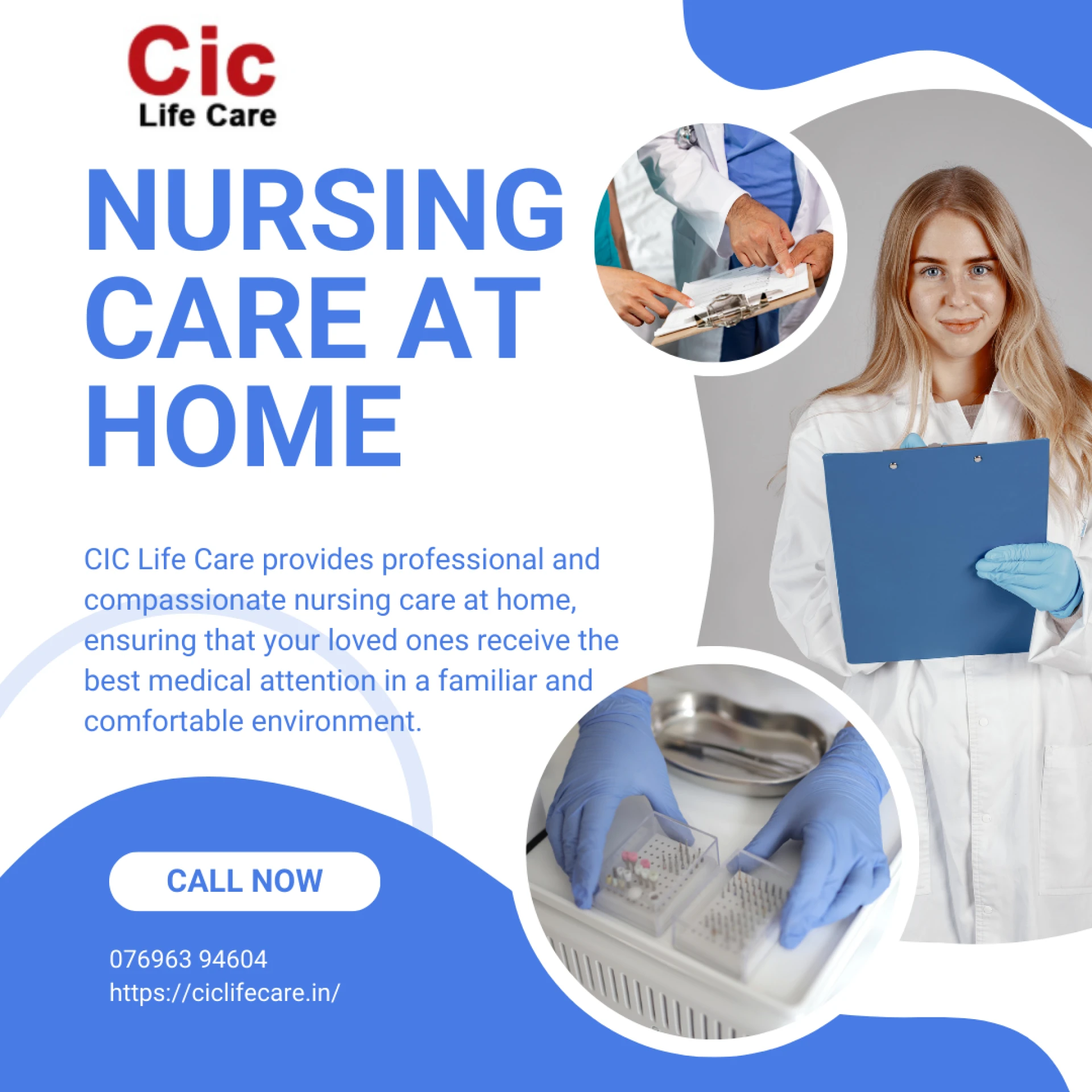
Providing nursing care at home is a responsibility that requires patience, knowledge, and a compassionate approach. Whether you are caring for an elderly family member, someone with a chronic illness, or a patient recovering from surgery, ensuring their comfort, safety, and well-being should be a top priority. At CIC Life Care, we understand the challenges that come with home nursing care and aim to provide families with the right guidance and professional support.
With the right strategies and resources, home care can become a fulfilling and manageable task. Below, we explore key tips for effectively managing nursing care at home, ensuring that your loved one receives the best possible care in a familiar and comfortable environment.
1. Create a Safe and Comfortable Home Environment
Safety is the foundation of effective home care. A well-organized and hazard-free home minimizes risks and enhances the quality of care. Here are some essential modifications to consider:
- Remove fall hazards: Ensure floors are clear of clutter, and secure loose rugs to prevent tripping.
- Install safety features: Grab bars in bathrooms, railings on staircases, and non-slip mats can prevent accidents.
- Use adjustable furniture: A hospital bed, reclining chairs, or adjustable tables can improve accessibility and comfort.
- Ensure proper lighting: Bright and accessible lighting is crucial, especially in hallways, bedrooms, and bathrooms.
Creating a comfortable and secure environment will make daily caregiving tasks easier while promoting a sense of independence for the patient.
2. Develop a Personalized Care Plan
A structured care plan ensures that all aspects of your loved one’s health and well-being are addressed. A proper plan should include:
- Daily routine: Outline tasks such as bathing, meals, physical activity, and rest periods.
- Medication schedule: Keep a log of all medications, including dosages and times.
- Medical needs: Track symptoms, doctor’s appointments, and necessary treatments.
- Dietary considerations: Follow a meal plan that aligns with the patient’s health conditions.
Having a well-documented plan will help caregivers, family members, and medical professionals provide consistent and effective care.
3. Hire Professional Home Care Assistance
While family members can provide excellent care, hiring professional caregivers ensures that specialized medical and personal needs are met. CIC Life Care offers experienced nursing professionals trained to assist with:
- Administering medications and injections
- Wound care and post-surgery recovery
- Physical therapy and mobility support
- Managing chronic illnesses such as diabetes, Alzheimer’s, and heart disease
- Monitoring vital signs and overall health conditions
Professional caregivers provide peace of mind, ensuring that your loved one receives the highest standard of medical and personal care.
4. Monitor Health and Medication Regularly
Effective nursing care at home requires diligent health monitoring. Here’s how you can keep track of your loved one’s condition:
- Check vital signs: Regularly monitor blood pressure, blood sugar levels, and oxygen levels.
- Maintain a symptom journal: Note any changes in appetite, sleep patterns, or mood.
- Follow up with doctors: Attend regular check-ups and update healthcare providers on any concerns.
- Ensure proper medication management: Organize medications with pillboxes, reminders, or digital tracking apps to prevent missed doses.
By staying on top of health monitoring, you can prevent complications and address medical issues promptly.
5. Provide Emotional and Social Support
Physical care is only one aspect of nursing care at home—mental and emotional well-being are equally important. Patients recovering from illness or living with chronic conditions may feel isolated or anxious. Here’s how you can support their emotional health:
- Encourage social interactions: Arrange video calls with friends and family, or schedule visits.
- Engage in meaningful activities: Reading, listening to music, or doing light hobbies can keep the mind active.
- Maintain a positive atmosphere: Speak encouragingly, celebrate small progress, and create a warm, loving environment.
- Consider therapy or counseling: Professional counseling or support groups can help patients cope with emotional stress.
A supportive and loving environment greatly enhances a patient’s quality of life.
6. Take Care of Yourself as a Caregiver
Caregiving can be physically and emotionally exhausting. To ensure you provide the best care, you must also take care of yourself. Here are some self-care tips:
- Take breaks: Schedule time for yourself to relax and recharge.
- Seek help when needed: Don’t hesitate to ask family members or professionals from CIC Life Care for assistance.
- Join caregiver support groups: Connecting with others who share similar experiences can be reassuring and helpful.
- Maintain your own health: Eat well, exercise, and get enough sleep to prevent burnout.
A well-rested and mentally strong caregiver is better equipped to provide high-quality care.
7. Stay Educated on Home Nursing Care
Continuous learning is key to providing the best nursing care at home. Stay informed about medical advancements, caregiving techniques, and patient-specific conditions. Here are some ways to improve your knowledge:
- Attend caregiver training programs to learn new skills.
- Consult healthcare professionals for advice and guidance.
- Read books and online resources about specific health conditions.
- Stay updated on medications and treatment options.
The more you know, the more confident you’ll feel in managing home nursing care effectively.
8. Utilize Technology for Better Care
Advancements in technology have made home care easier and more efficient. Consider using:
- Medical alert systems: Devices that notify caregivers in case of emergencies.
- Smart home features: Automated lighting, voice-activated assistants, and remote monitoring tools.
- Health tracking apps: Applications that help track medications, appointments, and vital signs.
Using technology can simplify caregiving tasks and provide added safety for your loved one.
9. Plan for Emergency Situations
Unexpected medical emergencies can happen at any time. Being prepared can make all the difference.
- Keep emergency contacts handy: Have a list of doctors, hospitals, and emergency services.
- Learn basic first aid: Knowing CPR and first aid techniques can be lifesaving.
- Have a transportation plan: Know how you’ll get to a hospital quickly if needed.
- Prepare an emergency kit: Include medications, medical records, and essential supplies.
Being proactive ensures that you’re ready to handle urgent situations calmly and effectively.
10. Know When to Seek Professional Support
While family caregiving is valuable, there may come a time when professional care is necessary. If your loved one’s medical needs become too complex, CIC Life Care offers expert home care services to ensure they receive the best possible care.
- If mobility becomes difficult and they require constant supervision.
- If chronic conditions worsen, requiring specialized medical assistance.
- If you, as a caregiver, feel overwhelmed and need professional support.
Recognizing when to seek outside help is a sign of responsible caregiving.
Final Thoughts
Managing nursing care at home requires dedication, organization, and compassion. By creating a safe environment, hiring professional caregivers, monitoring health, and prioritizing emotional well-being, you can ensure that your loved one receives the best possible care.
At CIC Life Care, we are committed to supporting families with professional home nursing care services tailored to individual needs. If you need assistance or professional guidance, don’t hesitate to reach out to us. Together, we can ensure your loved one receives the highest standard of care in the comfort of home.





























Sign in to leave a comment.