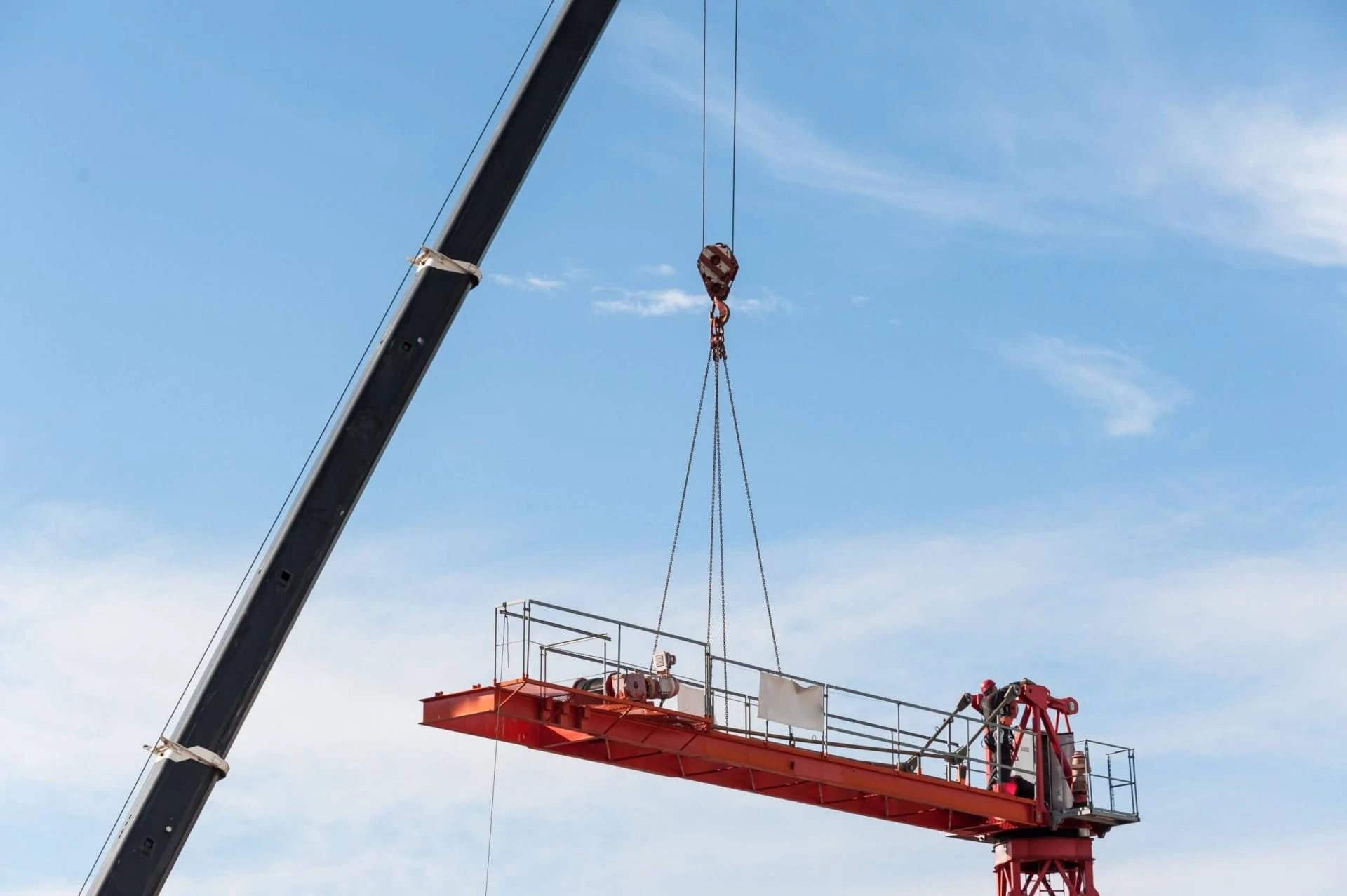

Cranes are one of the most used heavy equipment on construction sites due to the versatility they offer.
However, this most useful piece of heavy machinery can turn out to be the most dangerous one too if handled recklessly. Cranes can cause serious onsite injuries that can even lead to death or irreversible damage.
As per the latest news by OSHA, fatalities caused by construction cranes have increased to a noticeable extent.
So to ensure your tangible and intangible assets, cranes and labor respectively, are safe, you must abide by and integrate global crane safety compliances.
Now the main part is what are those critical tips to prevent crane-caused fatalities?
Construction industry experts provide the following tips that can help you reduce crane-based accidents:
Certification And Operator Training
The first person to look after the construction crane and drive it is the crane driver or operator whatever you call him.
Therefore, it is essential to hire an individual who is certified to drive heavy machinery and has basic technical knowledge of managing construction cranes.
Your role as project contractor is to train all the hired employees with the do’s and don’ts of driving a construction crane. You should also tell them quick safety exists and approaches to follow and cater to unfortunate scenarios.
Guide them about the crane loading capacity and make them obliged to inspect the machine before and after the operation.
Crane Maintenance
Heavy machinery requires a heavy inspection and maintenance routine.
So if you want to minimize crane-caused fatalities then inspecting the big giant is a must. To prevent injuries, you must schedule a regular crane maintenance regime.
The crane maintenance regime must include checking;
fluid levels air filters tire pressures brakesload chainshoist and wire ropesAvoid neglecting any reported damage before starting the next crane operation.
By bringing the construction crane in usage you can also minimize the probabilities of heavy equipment malfunctions.
Well-Functioning Rigging Equipment
The main job of rigging equipment is to secure the lifting load carried by the construction crane. As per the load size and weight, there are different rigging equipment.
So, ask workers to inspect rigging equipment and its relevance to the carried load to increase the efficiency of the crane and prevent uncertain breakdowns.
Additionally, workers must carefully inspect if the rigging equipment is placed at the right angle and with the correct hitch type for it to function appropriately.
Active Communication Medium Onsite
Since construction sites are generally outdoors, and have big machinery running and other mediums of noise pollution, communication is a big challenge.
As a contractor, you must ensure an effective communicative medium is integrated to help workers communicate while running the crane.
Workers can also learn sign language or common hand actions to guide each other regarding the project's progress or any safety hazard.
So if you want the labor to be safe yet lift the load via crane appropriately you should work on building a smart communication plan.
Stable Construction Ground
The construction ground needs stability to ensure that the crane is moving correctly and the operator driving it is safe. Due to unstable ground, the crane can trip, leading to serious accuracy and equipment damage.
Therefore, all the contractors must check the construction site to level it before the crane runs over the ground. With stable ground, the chances of machine accidents decrease to almost 0%.
On the same side, they must actively check the crane tires and pressure to ensure that the heavy equipment is equipped to handle slippery or muddy terrains.
Pro tip:
Place the outriggers of the construction crane in a firm spot to increase the equipment’s support and stability levels.
Load Limit Compliance
Each crane model comes with a specific load-carrying limit. There are times when due to completing the project early or just mere negligence, workers tend to overweight the loading capacity of the crane.
This not only risks the life of the operator but also puts the lives of the workers nearby as well as damaging the productivity rate of the crane.
Moreover, if you overload the crane it can break it and create malfunctions too.
As experts say, going by the crane manufacturing guide can help you know the load capacity of the machine and you can circulate it among the operators to avoid incidents caused by overweighing the crane.
The Final Thoughts
Construction projects are live examples of playing with obstacles and safety hazards.
Especially if cranes are involved as the heavy equipment working on site, all operators and nearby workers need to take extra care to avoid uncertain incidents.
As per the above-mentioned tips, you can minimize the occurrence of crane-based accidents while increasing the overall efficiency rate.



























Sign in to leave a comment.