
When I bought my first house, the garage was a mess. A few rusty tools, a dusty shelf, and a dream — that’s all I had. I told myself, “One day this will be a real workshop.” It didn’t happen overnight. It took weekends, sweat, and more than a few mistakes.
Now, after years of tinkering, fixing, and building, I know which tools matter and which just take up space. If you’re setting up your own garage, here’s what worked for me — simple, honest, and real.
Hand Tools: The Basics You’ll Use Every Day
You can’t build anything without good hand tools.I started with a cheap set from the local hardware store. It wasn’t fancy, but it got me through. Later, I upgraded piece by piece.
Here’s what I use all the time:
- Claw Hammer: The king of tools. From pulling nails to tapping boards into place, it’s my right hand.
- Screwdrivers: Both flat and Phillips heads. I keep a few magnetic ones — saves me from dropping screws every five minutes.
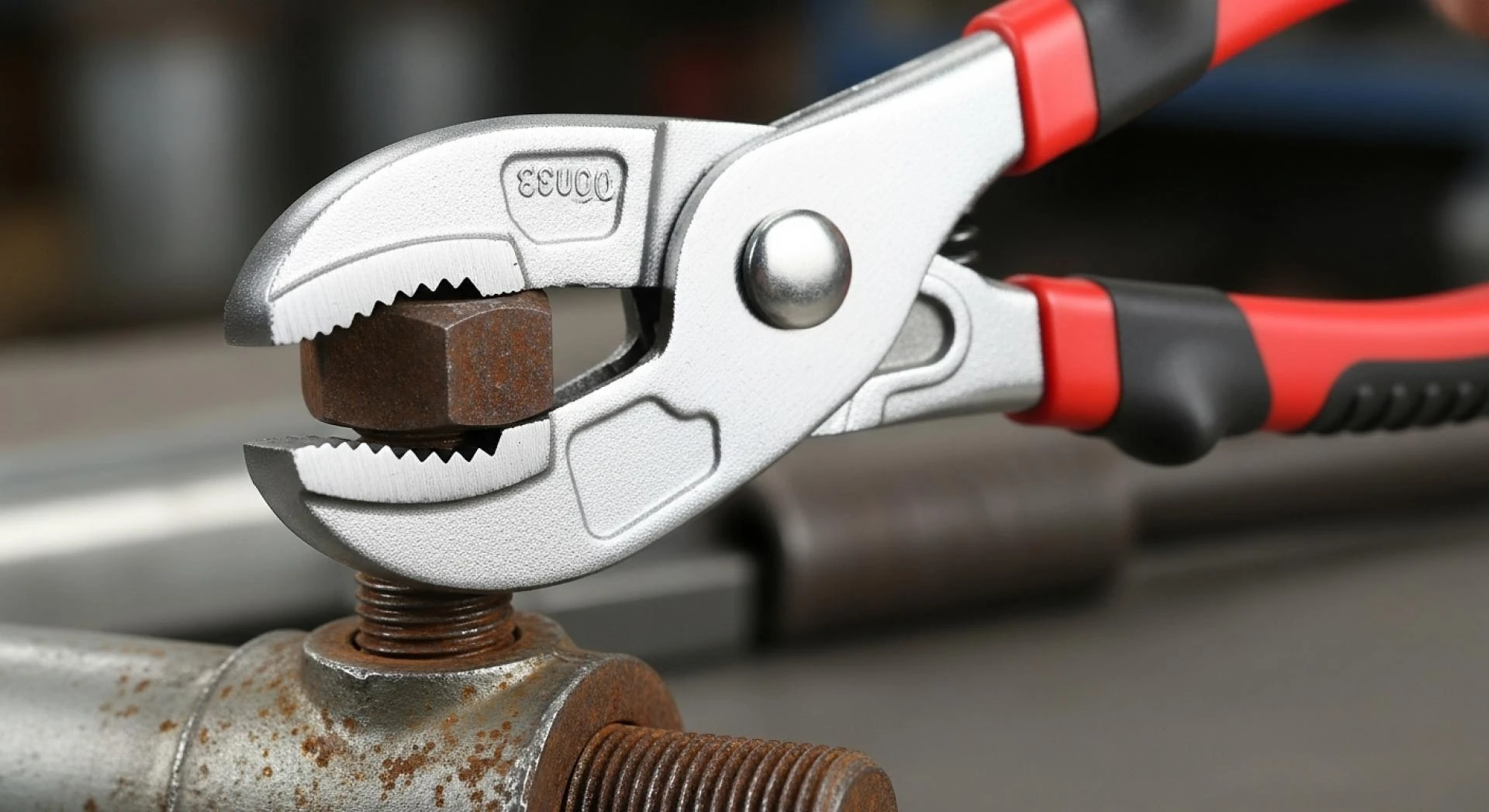
- Adjustable Wrench: Handy for pipes, bolts, and random repairs. I call it my “universal fixer.”
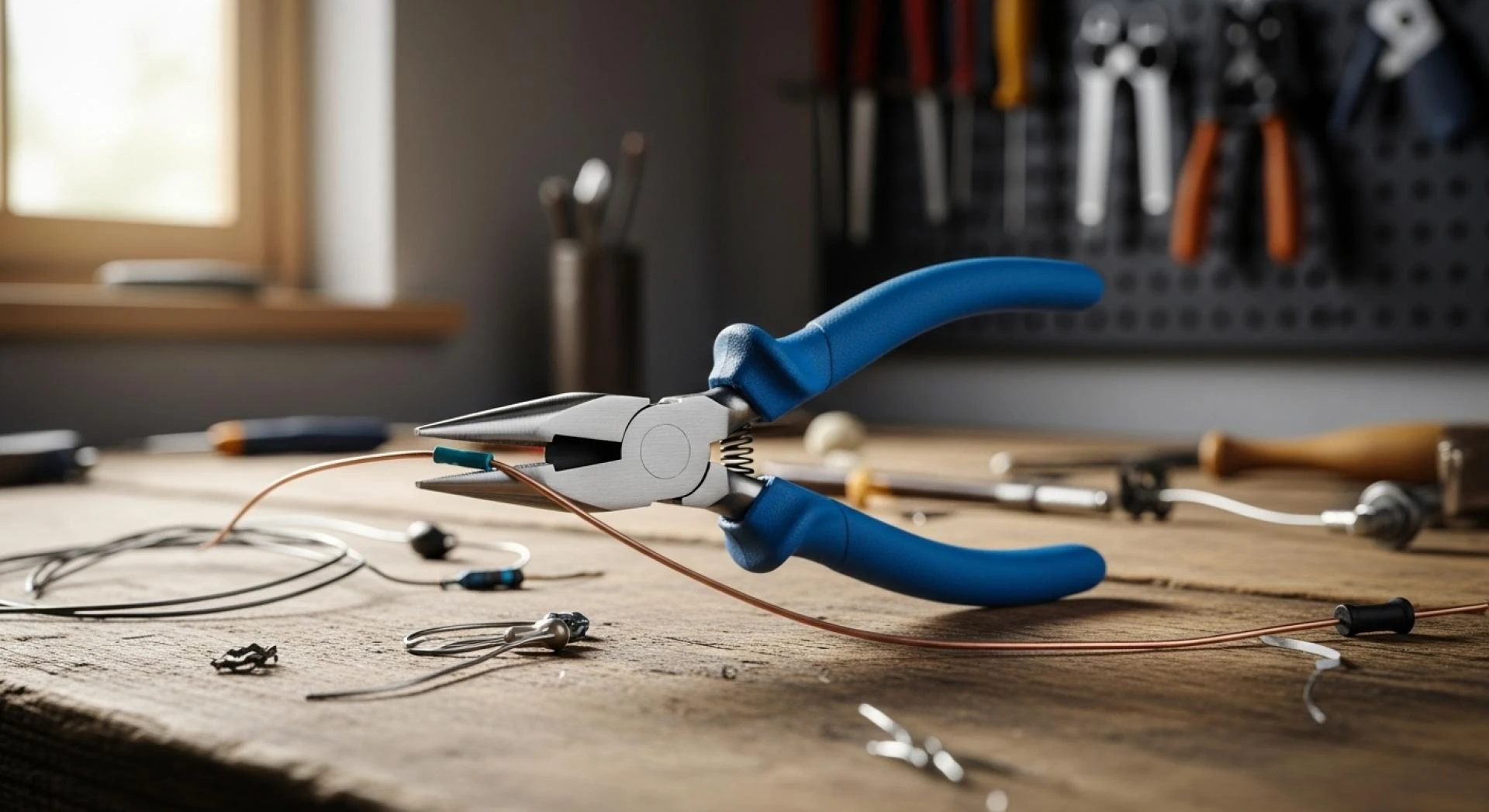
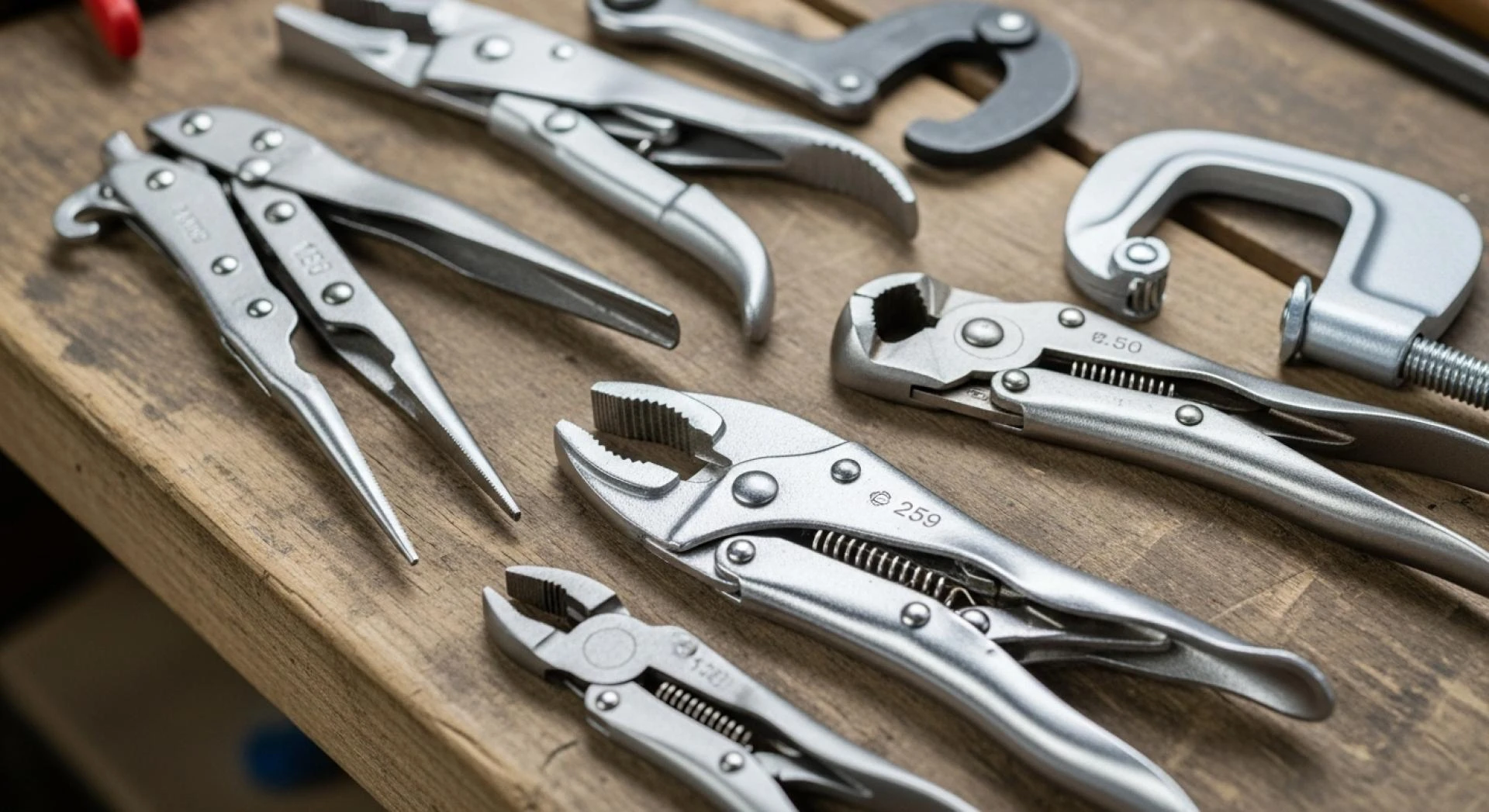
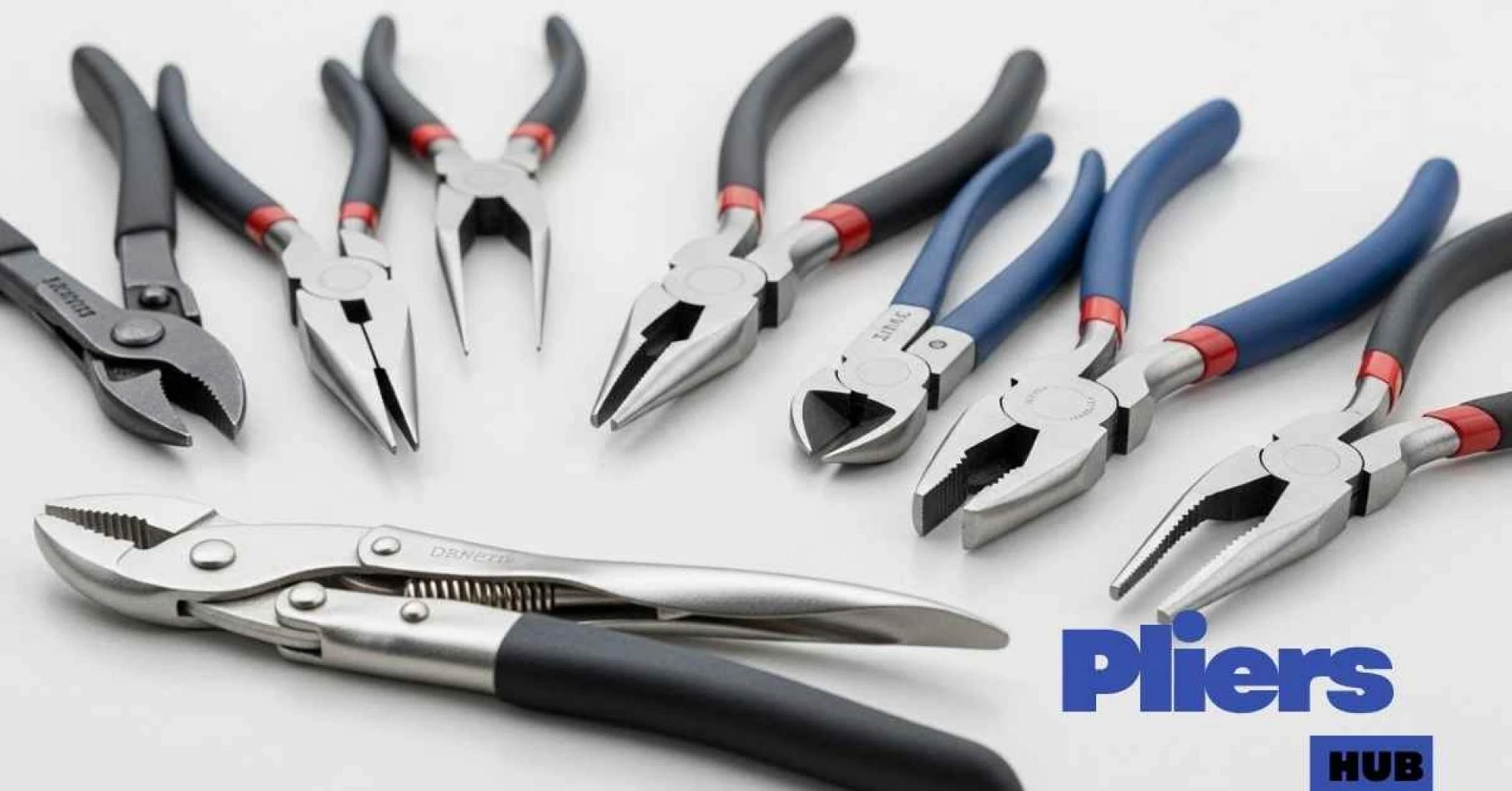
- Pliers: Needle-nose and slip-joint. Great for gripping, bending, or pulling things you shouldn’t touch bare-handed.
- Tape Measure: I use mine almost daily. And yes, I still measure twice and cut wrong sometimes.
In the U.S., I’ve seen a lot of people go for ratcheting wrenches — faster, smoother, and great for tight spots under the hood. If you fix cars or bikes, they’re worth it.
Power Tools: Where Work Gets Exciting
The day I bought my first cordless drill, everything changed. It felt like unlocking a new level of DIY life. Power tools save time, but they also demand respect. The noise, the power — it’s thrilling and a little scary at first.
Here are the ones that shaped my workshop:
- Cordless Drill/Driver: My go-to for almost everything. I use it for drilling, driving screws, and even mixing paint once.
- Circular Saw: Cuts wood fast and clean. Just keep extra blades. Dull ones make the job harder and less safe.
- Jigsaw: For curves and creative shapes. It’s the artist’s brush of the tool world.
- Angle Grinder: Loud, rough, and powerful. I use it for metal and rust cleanup. Ear protection is a must.
- Orbital Sander: Smooths out wood like magic. The sound and rhythm almost feel calming.
Most garages in the U.S. lean toward cordless tool systems. It’s smart — one battery fits all. I switched to that setup, and now I spend less time untangling cords and more time actually building.
Measuring and Marking Tools: Getting It Right the First Time
I used to eyeball everything. Then I tried to hang a shelf that ended up one inch off-center. My wife still teases me about it.
Now I rely on these for accuracy:
- Level: Keeps projects straight. Crooked results bug me more than I’d like to admit.
- Speed Square: Perfect for marking quick cuts. Mine lives in my tool belt.
- Combination Square: Keeps corners square when cutting wood.
- Chalk Line: Great for long, straight marks on plywood or drywall.
A simple tip: store your measuring tools together. Nothing’s worse than losing a tape measure mid-project.
Storage and Organization: The Secret to Sanity
For years, my garage looked like a tornado hit it. Finding a wrench took longer than fixing the thing I needed it for.
Then I learned the magic of tool storage.
- Tool Chest: I finally bought one after years of stuffing tools in boxes. Now everything has a home.
- Pegboard Wall: I love this setup. Every tool hangs where I can see it. I even outlined each one with a marker — old-school but works.
- Workbench: I built mine from scrap wood. It’s ugly but solid. It holds scars, burn marks, and memories.
- Bins and Jars: For screws, bolts, and those mysterious spare parts you’ll need “someday.”
Many U.S. garages use modular wall systems now — clean, modern, and flexible. I still prefer my pegboard though. It feels like me: simple and functional.
Safety Gear: Because Accidents Don’t Ask Permission
When I started, I ignored safety gear. Big mistake. One afternoon, a wood chip flew into my face while sanding. It missed my eye by half an inch. Since then, I don’t skip safety gear.
What I use every time:
- Safety Glasses: Always. Even for quick jobs.
- Work Gloves: For grip and protection. I keep two pairs — one for wood, one for metal.
- Ear Protection: Drills and grinders can roar. I use soft foam plugs.
- Dust Mask: I used to skip it. Once I inhaled too much sawdust and coughed for a week. Lesson learned.
- Steel-Toe Boots: Not stylish, but when a wrench slips, I’m grateful.
In the U.S., garages often double as car repair spaces. That means metal work, grinding, welding — all of which need proper gear. Don’t risk it. Eyes and fingers don’t grow back.
Lighting and Power Setup
A dim garage is the enemy of good work. I didn’t know that until I upgraded my lights.
Now I use:
- LED Shop Lights: Bright, energy-saving, and easy to hang.
- Portable Work Light: Great when crawling under the car.
- Extension Cords: I stick to heavy-duty ones rated for garage use.
- Power Strips and Surge Protectors: Keeps everything safe and organized.
If you’re in the U.S., make sure your outlets are GFCI protected — it’s part of code in most states. I had mine updated, and it’s made me feel safer around tools and water.
Automotive Tools: For the Weekend Mechanic
I’m not a pro mechanic, but I like doing my own oil changes and brake checks. It’s cheaper, and it feels good to fix your own car.
Here’s my small but mighty auto toolkit:
- Floor Jack and Jack Stands: Don’t skimp here. Always use both.
- Socket Set: Metric and SAE sizes — you’ll need both.
- Torque Wrench: Keeps bolts tight without overdoing it.
- Oil Filter Wrench: Simple but saves a lot of struggle.
- Creeper: A rolling board to slide under the car. I used to lie on cardboard. Never again.
In the U.S., garages are often big enough for a car bay. That’s a dream setup — space to work, store, and tinker without moving the car every time.
Specialty Tools: Rarely Used, Always Needed
Some tools don’t get daily use, but when you need them, they’re priceless.
A few I’ve learned to keep close:
- Shop Vacuum: Cleans everything — dust, nails, sawdust, even my spilled coffee.
- Heat Gun: Loosens paint, shrinks tubing, defrosts pipes.
- Multimeter: Helps with electrical fixes. It’s my secret weapon for lights and outlets.
- Air Compressor: Great for cleaning, inflating, or powering air tools.
- Bench Vise: My third hand. Holds anything steady while I work.
Most of these tools don’t cost much, but they turn “impossible” tasks into easy ones.
Cleaning Tools: Keep the Space Fresh
A clean garage isn’t about looks. It’s about safety and mindset. When the floor’s clear, my brain feels clear too.
Here’s my cleanup routine:
- Push Broom: Sweeps out sawdust fast.
- Shop Towels: I keep a roll on the bench. Wipes oil, glue, or coffee spills.
- Degreaser Spray: Works wonders on greasy handprints.
- Trash and Recycling Bins: Keeps clutter under control.
Once a week, I do a “ten-minute tidy.” It’s amazing how much that helps.
What I’ve Learned from My Garage Workshop
Every tool in my garage has a story. Some are old, some brand new. A few have dents and scars from past projects — kind of like me.
Here’s what the years taught me:
- Start small. You don’t need everything at once.
- Buy tools as you need them. That way, you learn their worth.
- Keep your space clean. Chaos kills motivation.
- Respect your tools. They’ll respect you back.
- Don’t chase perfection. Projects will go wrong sometimes — laugh, learn, move on.
Weekends in my garage are my peace. Coffee on the bench, a project half done, music in the background. The smell of sawdust and motor oil feels like home now.
A garage workshop isn’t just a place to build things. It’s where you build patience, skill, and a little pride every time you step inside.



























Sign in to leave a comment.