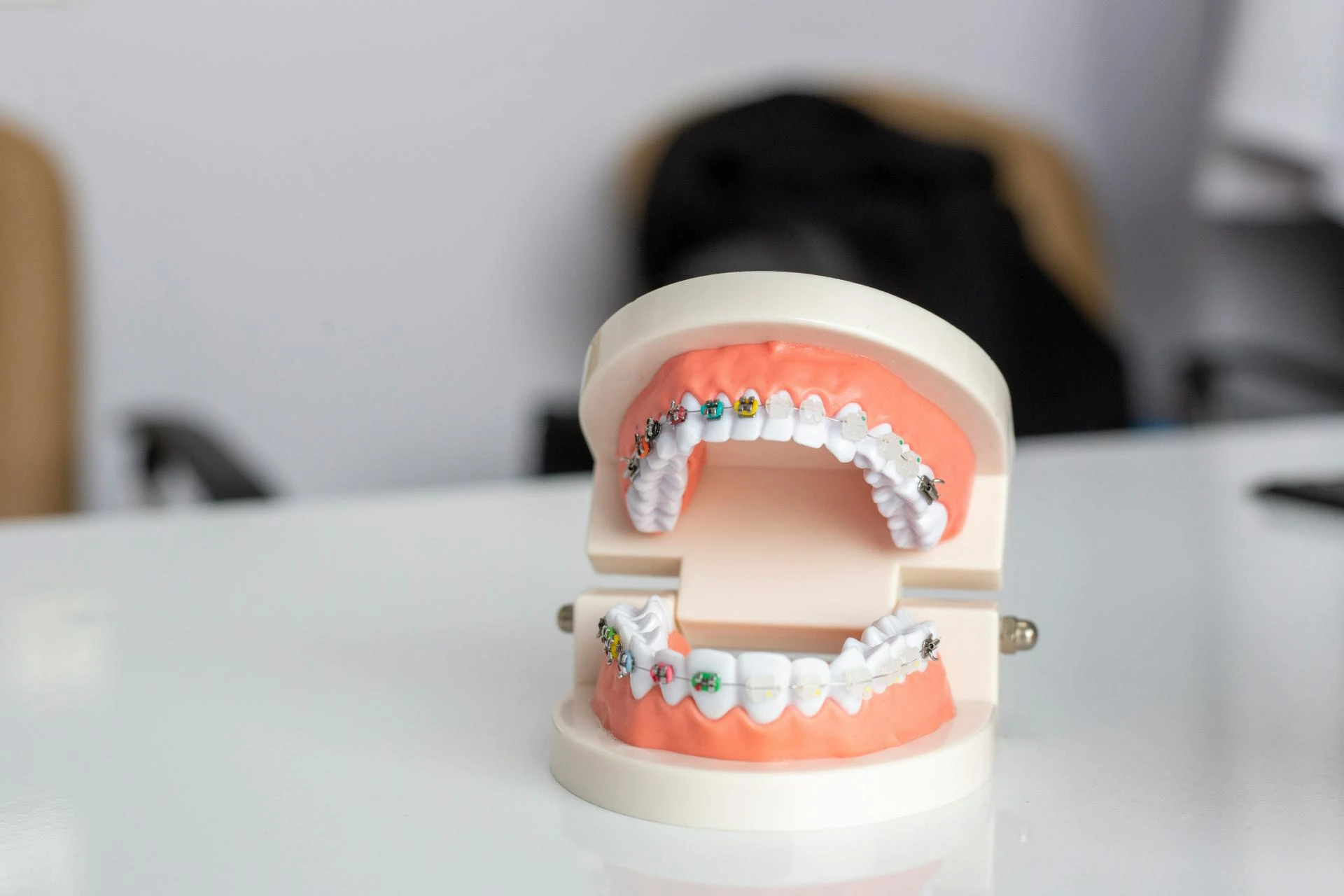

Tooth extraction aftercare is essential for proper healing, preventing complications, and ensuring a smooth recovery. Following the right instructions helps reduce pain, control swelling, and protect the blood clot that forms in the extraction site. Proper care during the first few days plays a major role in long term oral health and comfort.
The Importance of Blood Clot Protection
After a tooth is removed, a blood clot develops in the socket. This clot protects the bone and nerves while the area heals. Disrupting it can lead to complications such as dry socket, which may cause significant pain and delay recovery. Avoiding straws, smoking, and forceful rinsing is critical during the first 24 hours.
Care During the First 24 Hours
The first day after extraction is the most important part of recovery. Bite gently on the gauze provided by your dentist to control bleeding. Mild oozing is normal, but heavy bleeding should be reported immediately.
Rest with your head elevated to minimize swelling and bleeding. Avoid spitting forcefully, rinsing vigorously, or touching the area with your tongue or fingers.
Managing Pain and Swelling
Some discomfort and swelling are expected after a tooth extraction. Your dentist may recommend pain medication to keep you comfortable.
Applying an ice pack to the outside of your cheek for 15 to 20 minutes at a time can help reduce swelling during the first day. After 24 hours, warm compresses may help improve circulation and relieve stiffness.
Eating and Drinking After Extraction
Choose soft foods that require minimal chewing, such as yogurt, mashed potatoes, soup, scrambled eggs, and smoothies.
Avoid hot foods, crunchy snacks, and spicy meals during the early healing phase. Drink plenty of water, but do not use straws, as suction can disturb the clot and slow recovery.
Oral Hygiene Guidelines
Continue brushing your teeth carefully, avoiding the extraction site for the first 24 hours. After that, gently rinse with warm salt water to keep the area clean and reduce bacteria.
Avoid forceful rinsing. Keeping your mouth clean supports faster healing and reduces the risk of infection.
Avoid Smoking and Alcohol
Smoking can significantly increase the risk of dry socket and infection. It is best to avoid smoking for at least several days after extraction.
Alcohol should also be avoided, especially if you are taking prescribed medications. It can interfere with healing and reduce the effectiveness of treatment.
Recognizing Warning Signs
Contact your dentist if you notice:
Severe or worsening pain
Excessive bleeding
Swelling that does not improve
Signs of infection such as fever
Bad taste or unusual odor from the site
Early attention helps prevent complications and ensures proper healing.
Healing Timeline and Recovery
Most patients feel improvement within a few days. Swelling usually decreases within the first week. Gum tissue typically heals in one to two weeks, while complete bone healing may take longer.
Following proper tooth extraction aftercare instructions ensures a smooth recovery process.
Long Term Dental Health
After healing, maintaining good oral hygiene is essential. Regular dental checkups, proper brushing, and flossing help prevent future dental problems. If the extracted tooth needs replacement, discuss options with your dentist to restore function and appearance.
Professional Dental Support
For safe treatment and personalized guidance, professional care is essential. Clear instructions and follow up visits help ensure successful recovery.
For expert dental care, trust Rise Dentistry, your reliable Dentist in Magnolia for comprehensive oral health services and patient focused treatment.




























Sign in to leave a comment.