

Sustainable fashion has gained momentum in recent years as consumers increasingly seek eco-friendly and ethical alternatives in their wardrobe choices. Among the various elements of sustainable fashion, selecting natural materials for clothing is vital. Here are the top 10 Natural Jacket materials that are making waves in the realm of sustainable fashion.
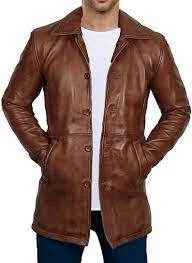
1. Organic Cotton
Description: Organic cotton is grown without synthetic pesticides and fertilizers, making it an environmentally friendly alternative to conventional cotton. It uses less water and supports healthier soil.
Benefits: It is soft, breathable, and versatile, making it ideal for various types of jackets. Organic cotton farming practices also promote biodiversity and reduce chemical exposure for farmers.
2. Hemp
Description: Hemp is a robust and fast-growing plant that requires minimal water and no pesticides. It is known for its strength and durability.
Benefits: Hemp jackets are highly durable, breathable, and naturally resistant to UV light and mold. The fabric also gets softer with each wash, enhancing comfort over time.
3. Linen
Description: Derived from the flax plant, linen is a lightweight, breathable material that is perfect for warm-weather jackets.
Benefits: Linen is highly durable, and its production has a low environmental impact. The fabric is also biodegradable and naturally resistant to bacteria.
4. Tencel (Lyocell)
Description: Tencel is a type of rayon made from wood pulp, primarily sourced from sustainable forests. The production process is closed-loop, meaning most solvents and water are recycled.
Benefits: Tencel is soft, breathable, and biodegradable. It has a luxurious feel and is ideal for jackets that need to drape well.
5. Bamboo
Description: Bamboo fabric is made from the pulp of the bamboo plant, which grows rapidly without the need for fertilizers or pesticides.
Benefits: Bamboo fabric is soft, breathable, and has natural antimicrobial properties. It is also highly absorbent, making it comfortable for all-season wear.
6. Cork
Description: Cork fabric is made from the bark of cork oak trees, which can be harvested without harming the trees. This sustainable process allows the trees to continue absorbing carbon dioxide.
Benefits: Cork is water-resistant, lightweight, and hypoallergenic. It adds a unique texture to jackets and is a great leather alternative.
7. Wool
Description: Wool is a natural fiber obtained from sheep and other animals. When sourced ethically and sustainably, wool is a renewable resource.
Benefits: Wool is warm, durable, and biodegradable. It is also naturally breathable and odor-resistant, making it suitable for a wide range of jacket styles.
8. Recycled Polyester
Description: Although not entirely natural, recycled polyester is included here because it transforms waste into fashion. It is made from recycled plastic bottles and other post-consumer waste.
Benefits: Using recycled polyester reduces reliance on petroleum and decreases landfill waste. It offers durability and water resistance, which are beneficial for outdoor jackets.
9. Peace Silk (Ahimsa Silk)
Description: Peace silk is produced without killing the silkworms, allowing them to complete their life cycle. This method is more humane and aligns with ethical fashion practices.

Benefits: Peace silk is luxurious, soft, and biodegradable. It provides a high-end feel for jackets while promoting animal welfare.
10. Ramie
Description: Ramie is a natural fiber derived from the stalks of the Chinese nettle plant. It is one of the oldest textile fibers and requires minimal chemical processing.
Benefits: Ramie is strong, lightweight, and breathable. It is also resistant to bacteria and mildew, making it a suitable choice for sustainable outerwear.
Incorporating these natural and sustainable materials into fashion not only reduces the environmental impact but also promotes a healthier and more ethical industry. By choosing jackets made from these materials, consumers can enjoy stylish, high-quality garments that align with their values.


























Sign in to leave a comment.