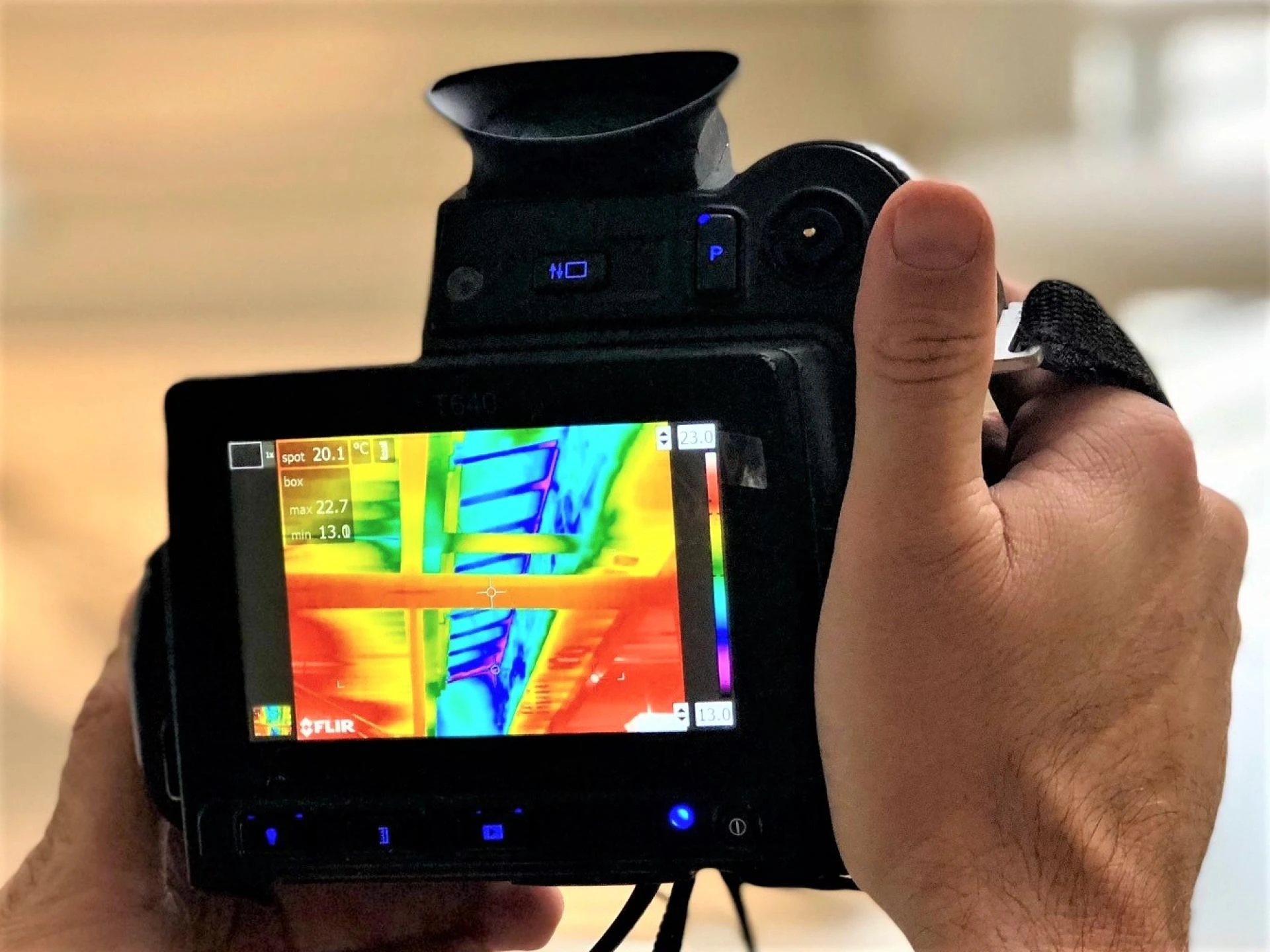

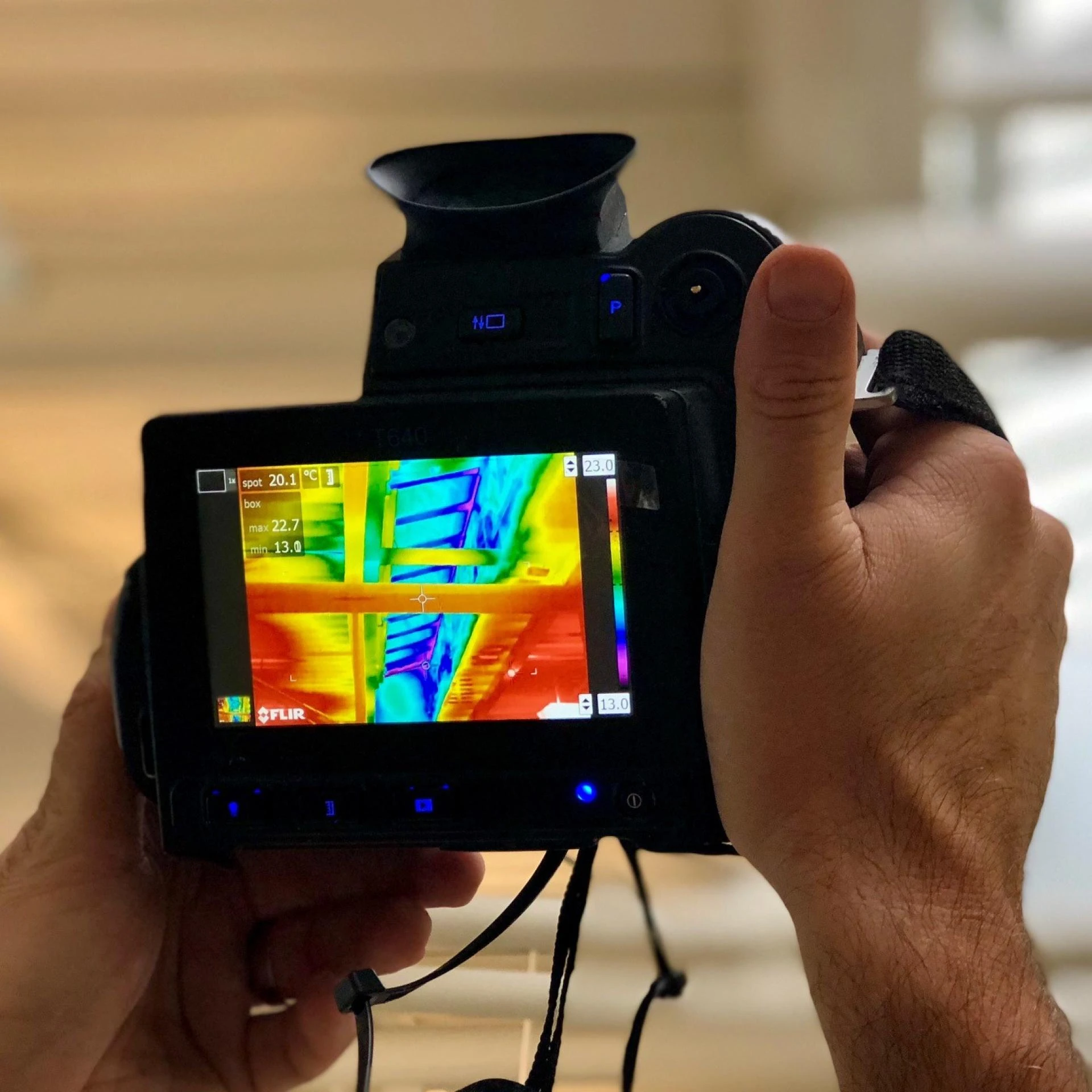
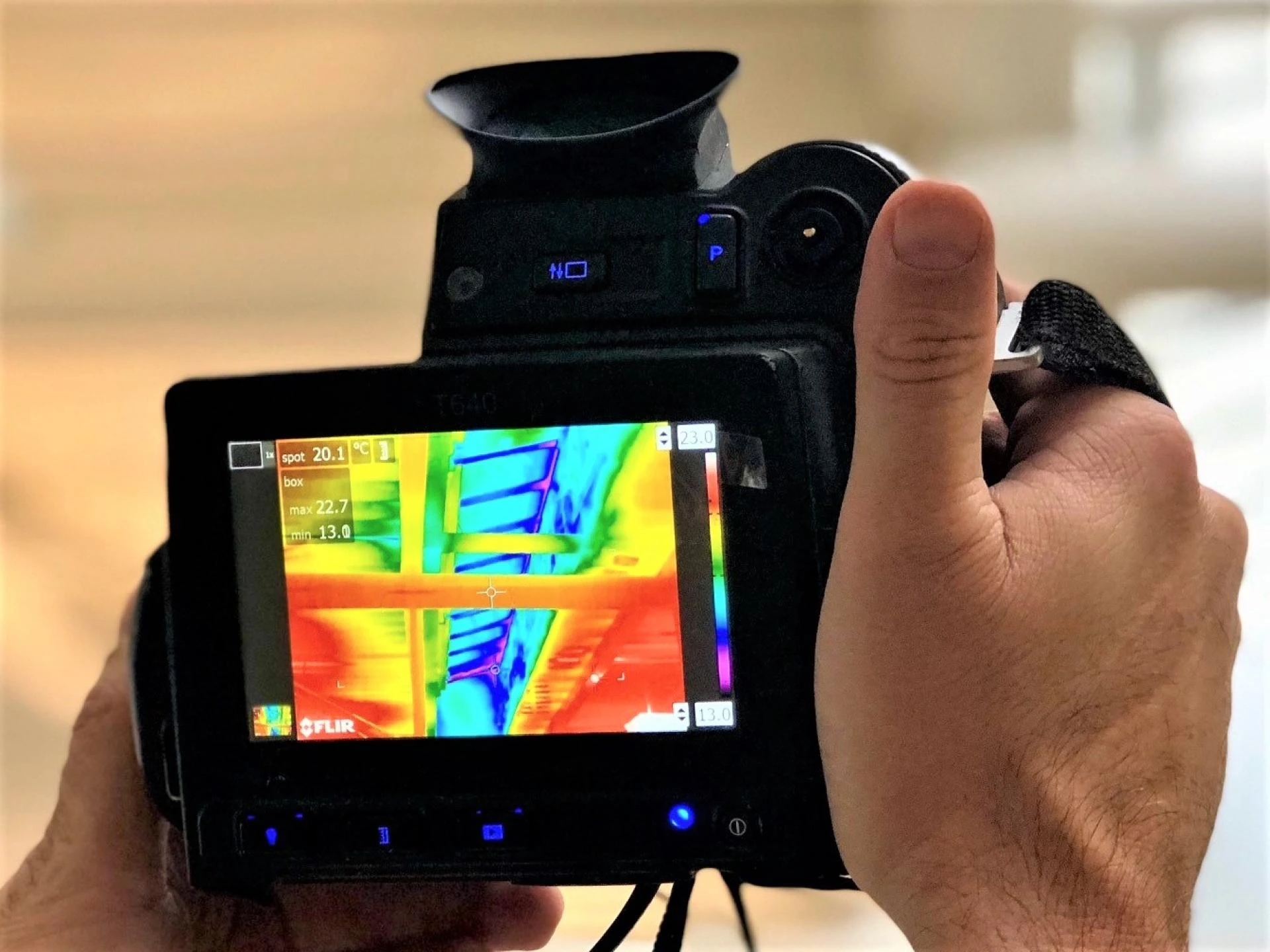
Thermal imaging, also known as infrared thermography, has revolutionised how professionals assess building performance. By capturing temperature variations on surfaces, thermal cameras reveal hidden issues that traditional inspections often miss. Incorporating thermal imaging into your inspection toolkit boosts accuracy, enhances safety, and delivers data-driven insights that drive energy efficiency and cost savings on new and existing buildings.
Here are the top 10 reasons to use thermal imaging inspections on buildings:
1. Detect Energy Loss and Air Leaks in Buildings
Thermal imaging excels at uncovering heat transfer anomalies in walls, roofs, and window frames. Cold spots and drafty areas appear as contrasting colours, making it easy to pinpoint where conditioned air escapes into unconditioned atmosphere.
- Locate gaps around windows, doors, and service penetrations
- Identify under-insulated walls or roofs
- Quantify heat loss patterns for targeted retrofits
By addressing these leaks, homeowners and facility managers can reduce heating and cooling bills by up to 30% annually, which can result in savings of tens of thousands of pounds on larger buildings.
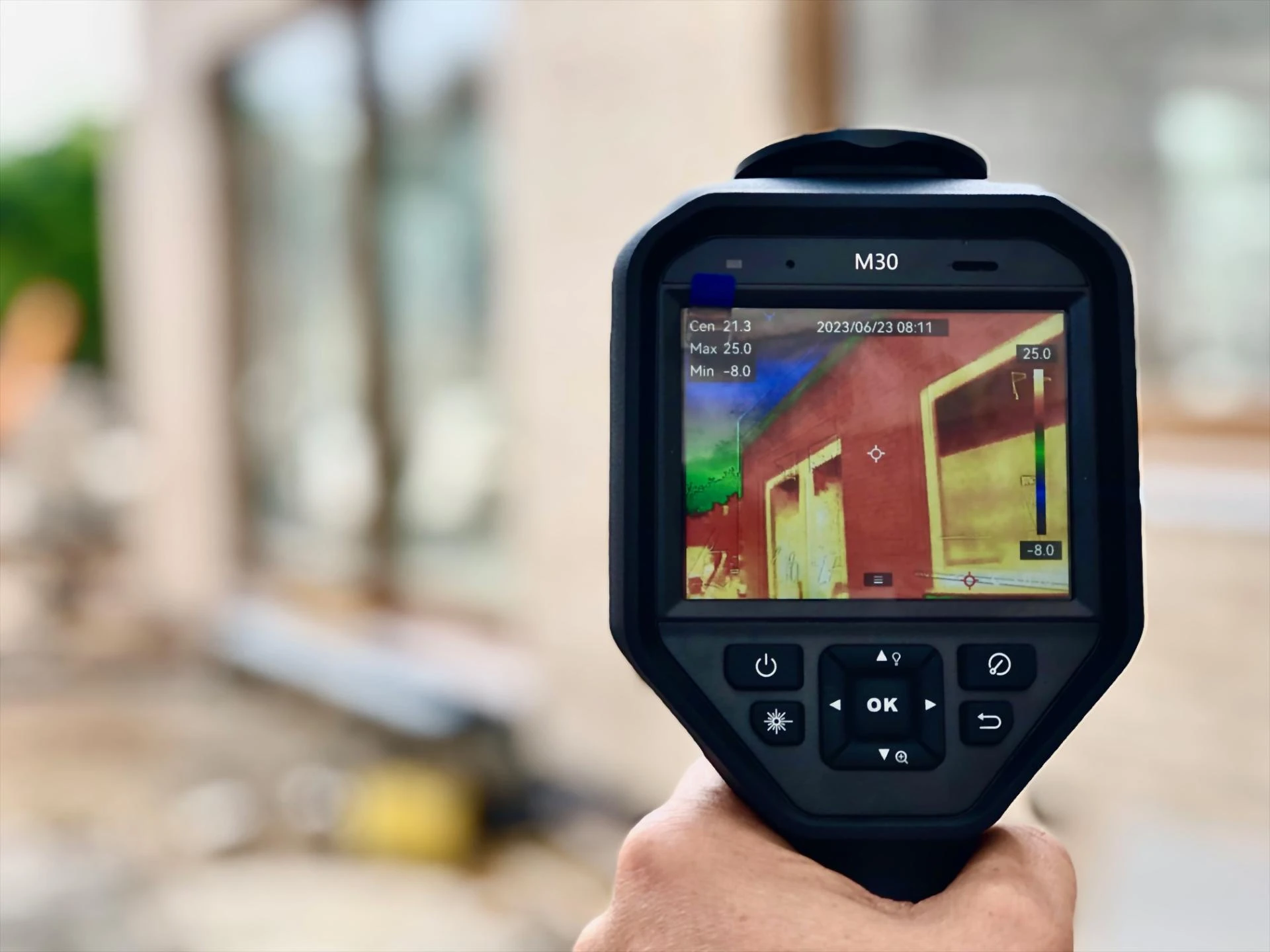
2. Reveal Moisture Intrusion and Water Damage in Buildings
Water infiltration hides behind finishes until mold and structural decay set in. A thermal camera exposes wet areas by detecting cooler, moisture-laden materials.
- Spot roof leaks, plumbing failures, and wall seepage
- Map the extent of damp zones before destructive testing
- Monitor drying processes after repairs
Early detection prevents costly mold remediation and preserves building and occupiers’ health.
3. Identify Building Insulation Deficiencies
Uneven or missing insulation creates thermal bridges that compromise occupant comfort. Infrared thermography highlights these weak spots with exceptional clarity.
- Compare insulated versus non-insulated sections
- Verify new insulation performance after installation
- Optimise material placement in retrofit projects
Consistent insulation improves energy efficiency and maintains uniform indoor temperatures and the wellbeing and health of building occupiers.
4. Assess the Buildings HVAC System Performance
Heating, ventilation, and air conditioning systems often underperform due to hidden duct leaks or blockages. Thermal imaging visualises airflow issues and temperature differentials in real time.
- Diagnose ductwork leaks in ceilings and walls
- Verify proper function of air handlers and coils
- Diagnose air leakage in buildings, to ensure HVAC systems work properly
Fine-tuning HVAC components enhances comfort and extends equipment lifespan.
5. Locate Electrical Hotspots and Overloads in Buildings
Overheated electrical components pose serious fire risks within buildings. Thermal cameras detect abnormally hot connections, breakers, and motors before failures occur.
- Scan panels, switchboards, and transformers
- Identify loose or corroded connections
- Schedule maintenance on at-risk circuits
Proactive electrical inspections prevent downtime and ensure compliance with safety regulations and building insurance requirements.
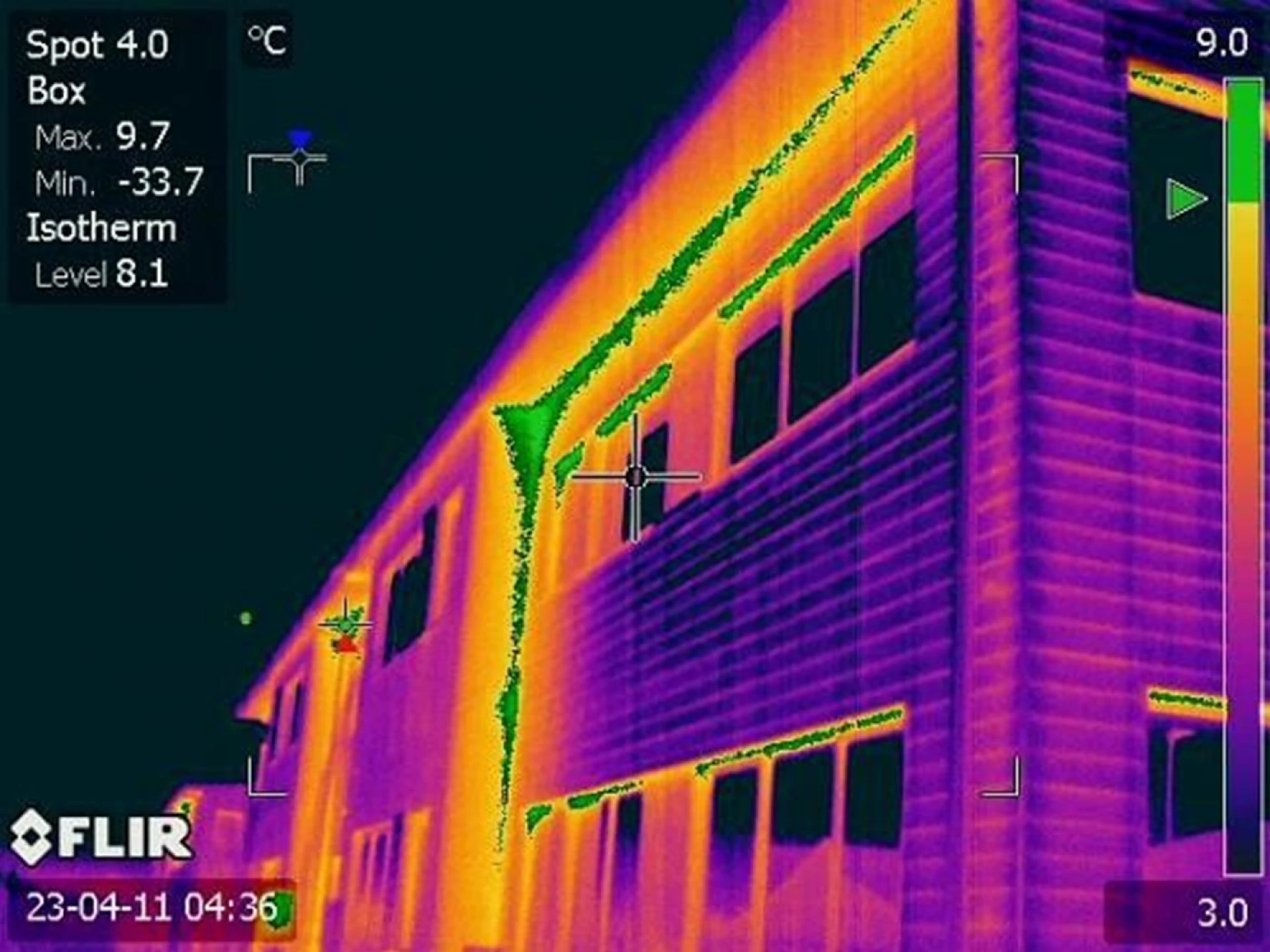
6. Inspect Roof and Facade Integrity to Buildings
Roofs and exterior walls protect structures from weather and thermal gain. Infrared surveys quickly map insulation voids, water ponds, and material degradation.
- Evaluate flat and pitched roof insulation uniformity
- Find hidden ponding on commercial roofing systems
- Check cladding adhesion and cavity insulation
Regular thermal roof assessments extend service life and reduce unexpected repair costs to buildings
7. Verify Radiant Heating and Cooling Systems in Buildings
In-floor heating and ceiling cooling panels require balanced piping and electrical circuits. Thermal imaging confirms even heat distribution across surfaces.
- Highlight cold spots in radiant floors
- Check panel activation and flow rates
- Detect air locks or blockages in pipes
Ensuring uniform thermal output maximises the heating/cooling system’s efficiency and occupant comfort.
8. Support Building Envelope Certification
Building Regulations and green building standards often mandate envelope performance testing. Infrared thermography provides visual proof of compliance for Part L and BREEAM/WELL
- Document continuous insulation coverage
- Validate air barrier integrity per ISO 9869 / BREEAM standards
- Generate thermal imaging reports for certification bodies
High-quality thermal documentation accelerates approvals and boosts building ratings for Building Regulations, BREEAM & WELL.
9. Accelerate Preventive Maintenance
Routine thermal scans form the backbone of predictive building maintenance programs. By tracking thermal anomalies over time, teams can schedule repairs before failures escalate.
- Create baseline thermal profiles for comparison
- Monitor critical mechanical and electrical assets
- Reduce emergency call-outs and extend asset life
A data-driven maintenance strategy lowers total cost of ownership.
10. Enhance Safety During Inspections
Traditional inspection methods sometimes require invasive probing or elevated platform access. Thermal imaging offers a non-contact solution that minimises risk.
- Scan from ground level or safe vantage points
- Reduce scaffolding and ladder dependencies
- Shield inspectors from confined space hazards
Infrared cameras streamline inspections while keeping teams out of harm’s way, thus reducing potential health and safety issues.
Conclusion
Thermal imaging transforms building inspections by delivering actionable intelligence on energy losses, moisture issues, electrical hotspots, and more. Its non-invasive approach streamlines maintenance, supports certification, and elevates occupant comfort. For building contractors’ surveyors, facility managers, retrofit contractors, investing in infrared thermography inspection is a strategic move toward smarter, safer, and more sustainable buildings.
Ready to uncover hidden flaws and supercharge your building’s performance? Schedule a thermal imaging survey today and experience the power of infrared insights first hand.
# About the Author
Darren Helliwell is a building performance specialist, with over 25 years of hands-on experience leveraging thermal imaging, blower door testing, and smoke analysis to optimise air tightness in both new-build and refurbishment projects such as Battersea Power Station, Imperial War Museum and Harrods, as the extension to Leicester cathedral, one of the first commercial buildings to be built to passive house standards.
Using advanced infrared thermal imaging cameras, alongside state-of-the-art blower door and smoke-testing equipment, Darren’s team delivers detailed thermographic and air leakage surveys across residential and commercial buildings. These thermal imaging surveys pinpoint invisible air leaks, identify insulation defects, and reveal thermal bridging—empowering architects, contractors, and property owners to make targeted, energy-saving improvements.
Darren’s ongoing mission is to help design teams and contractors harness the power of thermal imaging to achieve truly airtight, energy-efficient building envelopes. By reducing heat loss and driving down energy bills, his thermography expertise supports sustainable, cost-effective construction and refurbishment outcomes.
Connect with Darren Helliwell:
[Thermal Imaging Surveys] Thermal Imaging Surveys | APT Building Thermography Reports
[APT Email] [email protected]
[LinkedIn] https://www.linkedin.com/in/darren-helliwell-78789b26


























Sign in to leave a comment.