
The start of the COVID-19 outbreak two years ago rocked businesses all around the world. Disruption, on the other hand, brings considerable development in both physical and online shopping trends. It's crucial to think about how technological improvements in the retail sector will affect both large and small firms.
Trend #1: PoS Systems and Ecommerce
The first trend is the combination of point-of-sale systems and e-commerce. Many shops now provide buy online, pick up in-store (BOPIS) services, same-day delivery, and online International shipping in addition to selling things in brick and mortar stores. Because there are so many different ways to order items, point-of-sale systems must be updated intelligently. What happens to the store's sales floor volume in the database when a customer orders a product online? Is it true that putting a product on hold for a pick-up order reduces the number of items on the shop floor? All of these are queries that a modern point-of-sale system has to be capable of answering.
Not many firms were able to withstand the shift in focus toward internet retail possibilities. Microsoft's physical storefronts around the country have been shut down. Those that we were able to adjust to the changes, such as Walmart and Target, however, were able to flourish.
It's not only about having systems in order to guide both market trend online shopping and in-store sales; it's about having a unified and integrated system that works with the rest of the company's technology. Combining physical and digital transactions, stock, and offers across all in-person sites and online stores is one of the most difficult challenges that software architects face when creating point-of-sale systems for retailers.
Trend #2: Indoor Positioning Isn't Just For Store Maps!
For a few years, indoor positioning systems (IPS) were a hot topic for assisting people to navigate indoor spaces where GPS isn't available or accurate enough. However, there are a lot more uses for this in the technology trends in retail than you might think.
Indoor navigation appears to have a lot of opportunities for user navigation, as evidenced by its use in stores, office towers, airports, and hospitals. The "HKG My Flight" mobile app from Hong Kong International Airport makes use of this technology. Lowes and Target, both in the retail sector, are using this technology.
Trend #3: A New Method to Influencer Marketing
Selfies, carefully written captions, and meticulously manipulated product photos used to be the norm in influencer marketing for the growing trend of online shopping. However, in 2022, we'll witness a significant change in the way companies and influencers collaborate. Influencer content has gradually evolved to a more raw, authentic look, and this tendency will continue through 2022 online retail shopping trends.
Audiences are more likely to trust businesses that include genuine voices, and today's discerning users can detect an overly-produced commercial a mile away. Brands that don't prioritize genuineness in their influencer connections will see low engagement and ROI in the coming year. It's time to concentrate on one-of-a-kind influencer content that promotes education, enjoyment, and the viewer's experience.
Trend #4: Online Shops in Offline Locations
Bonobos, Glossier, Casper, and Warby Parker are examples of the digital native, direct-to-consumer firms that began online but have now opened and extended their physical presence in recent years. The majority of the digital firms that are opening storefronts retail, which makes sense because it's a sector where customers benefit from in-person interaction and is going to benefit from future trends in online shopping.
Trend #5: Greater AR-Powered Buying Experiences
Because so many people are still shopping online during the disease outbreak, retailers are turning to augmented reality (AR) to fill the gap between the digital and physical worlds. In reality, IBM's 2020 U.S. forecast predicts that the U.S. economy would grow at a rate of COVID-19, according to Retail Index, which has expedited the shift to online shopping by about five years.
Trend#6: Ethical and Principles-based Brands Are on the Rise
Shoppers haven't been this concerned with transparency, morals, and ethics, therefore firms must address these issues as soon as possible. Consumers prefer to buy from brands that share their beliefs about the latest trends in retail technology, according to 71% of respondents. According to PwC's June 2021 Global Consumer Insights Rates In response, 50% of respondents think they are more "eco-friendly."
Trend #7: Quick Delivery
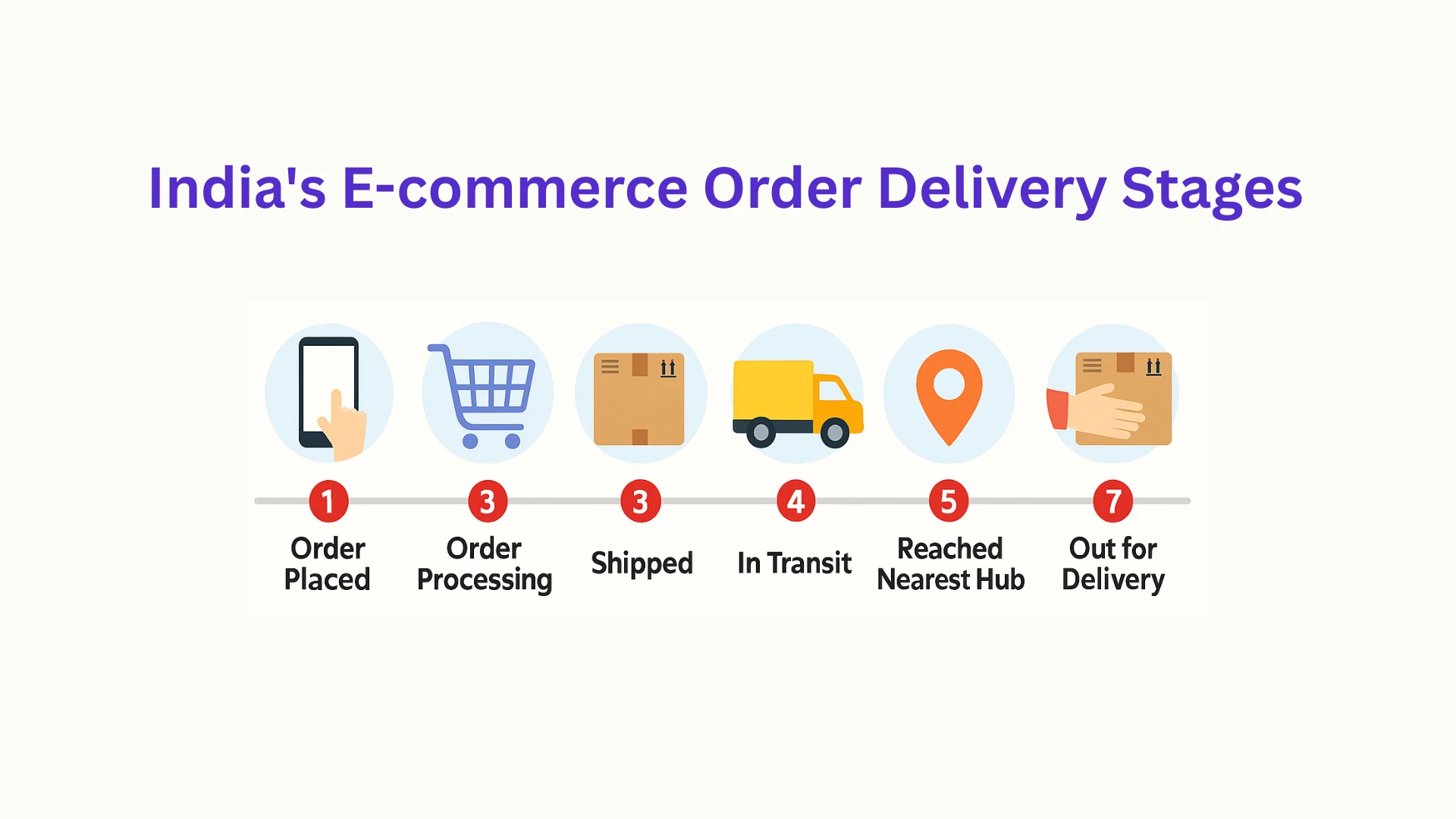
It wouldn't be a summary of the latest technology trend in the retail industry without mentioning fulfillment, especially with Amazon's same-day shipping sales at an all-time high. Customers' needs for shipping timeframes appear to be increasing all the time. The emergence of Amazon Prime ushered in two-day shipping, followed by next-day, and then same-day shipping.
Trend #8: Artificial Intelligence Within the Retail Sector
Artificial intelligence has had a role in practically every one of the prior themes that have been examined thus far. Scene analysis is at the heart of modern AR. AI, on the other hand, has a lot more potential in the retail market. Stock control and other types of customer behavior analysis can also benefit from these technological trends in retail.
Trend #9: Retail Automation and Robots
The hardware of robots is closely tied to artificial intelligence. This can be used for a variety of things, including shipping, stock management, and customer support are some of the technology trends in the retail industry.
Trend #10: Voice Recognition System
Natural language processing will improve as artificial intelligence develops in 2022. (NLP). Voice commands and responsiveness of digital assistants such as Google Assistant, Alexa, Siri, and Samsung Bixby are improving all the time.
The Retail Industry's Future: Embracing, But Managing Technology
As the retail business thrives, legacy technologies such as older point-of-sale platforms, stock management solutions, and so on are being phased out. However, several problems tend to slow down the process throughout these transitions. Occasionally, there are oversights and unforeseen difficulties that necessitate extra attention. More significantly, it is vital to oversee the implementation of these new processes to ensure that they have been well-suited to the company's needs.






















Sign in to leave a comment.