Introduction
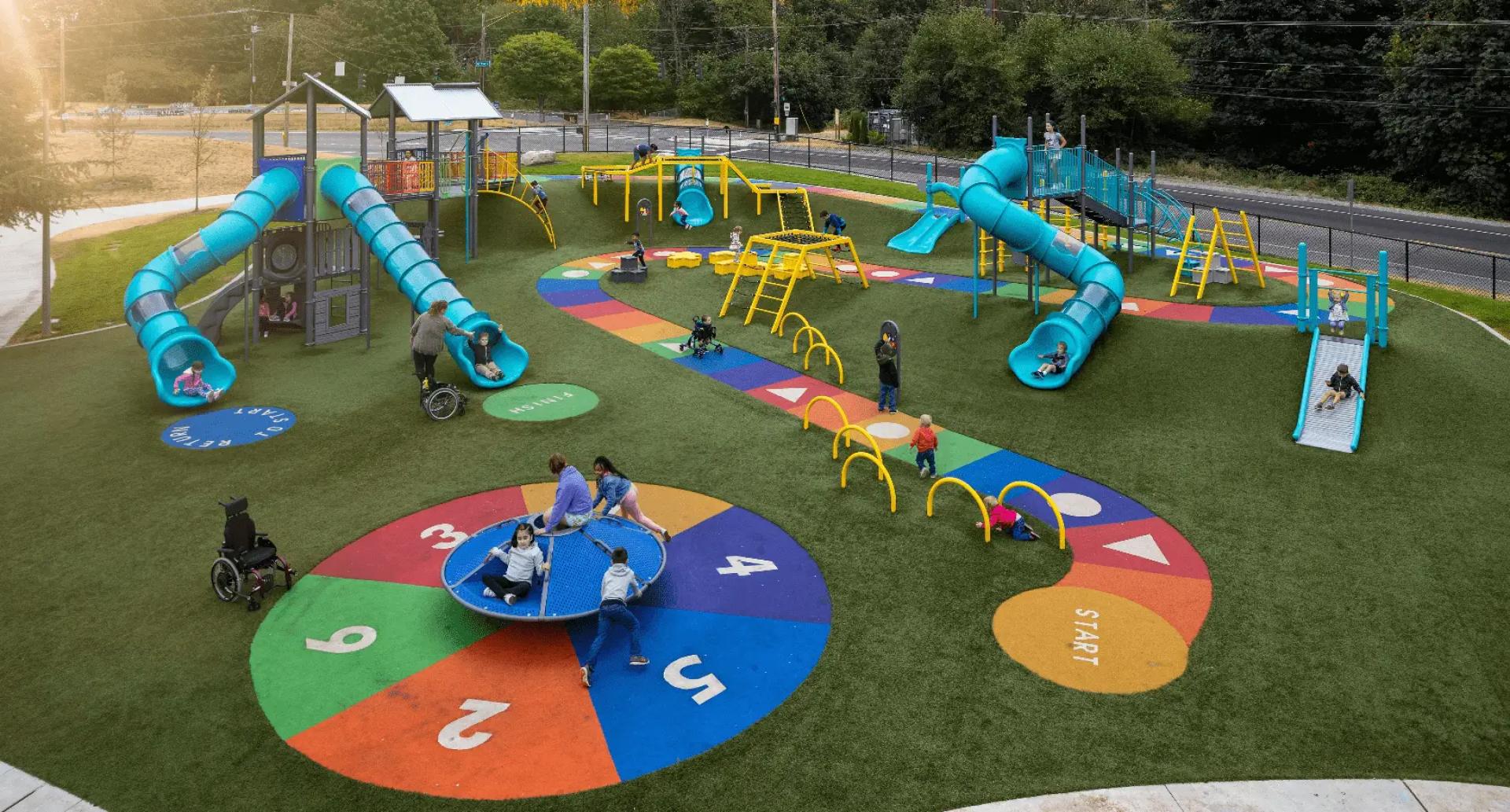
Installing a playground isn’t as simple as picking equipment and setting it up. A successful commercial playground—whether for a school, park, or housing complex—requires smart planning and attention to detail. Safety, accessibility, durability, and long-term costs all play a critical role.
Missing any of these can lead to higher expenses or potential hazards. If you're responsible for developing a playground, this guide covers the 10 key factors you need to get right. And if you want expert support at every step, AOT Recreation offers full-service solutions—from planning to installation and maintenance.
1. Define the Purpose and Target Age Group
Who will be using the playground?
A space designed for toddlers requires different equipment than one for school-age kids or teens. Younger children need low platforms, small slides, and sensory features. Older kids want climbing structures and physical challenges.
Mismatched equipment not only wastes your budget but can also create safety concerns. Define the user age range early. It drives every decision—from layout to surfacing.
2. Set a Realistic Budget
Budget planning must go beyond just buying play structures. Include:
· Site preparation
· Installation
· Surfacing materials
· Ongoing maintenance
Many underestimate costs, especially for labor and long-term upkeep. Bundled packages from AOT Recreation can help you stay within budget by combining design, equipment, and expert installation.
3. Pick the Right Location
Not all open spaces are suitable for a playground. Evaluate:
· Accessibility for wheelchairs and strollers
· Shade and sun exposure
· Proximity to bathrooms and parking
· Drainage and elevation
Poor site selection can lead to drainage issues or unsafe access. AOT Recreation conducts professional site assessments to help you choose a space that’s functional and safe.
4. Follow All Safety Standards
Playgrounds must meet current safety regulations from ASTM, CSA, or CPSC. These standards ensure:
· Adequate spacing between structures
· Safe fall zones and surfacing
· Non-toxic, tamper-proof materials
Using certified equipment and trained installers is critical. AOT Recreation ensures every build meets or exceeds safety codes right from the start.
5. Choose the Right Surfacing
Surface material affects injury risk and ADA accessibility. Common options include:
· Rubber mulch – Affordable, good cushioning, but can scatter
· Poured-in-place rubber – Smooth and accessible, but higher in cost
· Engineered wood fiber – Budget-friendly, requires occasional top-offs
Each option has pros and cons. AOT Recreation helps you choose a surface suited to your climate, usage level, and budget.
6. Design for Inclusive Play
Playgrounds should welcome all children, including those with disabilities. Prioritize:
· Ramps and transfer platforms
· Ground-level play features
· Adaptive swings
· Sensory panels for visual, auditory, and tactile play
AOT Recreation specializes in inclusive designs that go beyond ADA compliance, ensuring everyone can participate equally.
7. Select Durable Materials
Playground equipment must withstand weather, usage, and time. Material options include:
· Metal – Very durable but can heat up in the sun
· Plastic – Safer edges for younger kids, but may degrade
· Wood – Visually appealing, but needs more maintenance
The right choice depends on your environment and how often the playground will be used. AOT Recreation advises on the best materials for long-term performance with minimal upkeep.
8. Plan for Drainage
Without proper drainage, even the best playground becomes unsafe. Issues like puddles, erosion, or slick surfaces can emerge quickly.
Ensure your site has:
· Proper grading
· Drainage channels or systems
· Permeable surfacing where needed
Drainage should be part of the design process—not an afterthought. AOT Recreation integrates water management solutions into every project plan.
9. Prepare for Ongoing Maintenance
All playgrounds require regular upkeep. Weather, frequent use, and wear can lead to safety issues if ignored.
Plan for:
· Routine inspections
· Cleaning schedules
· Timely repairs and part replacements
AOT Recreation offers maintenance programs to help you stay ahead of problems, extend the life of your equipment, and keep the playground in top condition.
10. Secure Necessary Permits
Permits and local approvals are required for most commercial installations. Depending on your location, you may need:
· Site plan submissions
· Zoning and environmental approvals
· Safety inspections
Delays in permitting can stall your project. AOT Recreation handles documentation and compliance to keep everything moving on schedule.
Conclusion
Building a commercial playground is a serious investment in your community. With thoughtful planning and expert support, you can create a safe, inclusive space that children enjoy for years. It’s not just about play—it’s about creating an environment that supports learning, development, and connection.
AOT Recreation offers complete playground solutions—from concept to construction and beyond. With years of experience, certified equipment, and professional installers, they help bring your vision to life while ensuring safety, compliance, and quality every step of the way.
Ready to start your playground project? Contact AOT Recreation today to schedule a site evaluation or request a customized quote.






















Sign in to leave a comment.