

Designing custom cabinets is one of the most exciting parts of a home renovation. It’s a chance to build storage that fits your exact needs and style, whether it’s for the kitchen, bathroom, or even the garage. But while custom cabinets can elevate any space, a few common design mistakes can quickly turn a dream project into a disappointing one.
To help you avoid wasted money and regret, here are the top five design mistakes homeowners make when planning custom cabinets and how you can avoid them.
1. Ignoring Functionality and Daily Use
A cabinet can look stunning in a showroom but still fail miserably in daily life if it’s not designed with function in mind. One of the biggest mistakes homeowners make is focusing entirely on style while overlooking how the cabinets will actually be used.
For example, a drawer that can’t open fully because it bumps into an appliance, or doors that swing the wrong way, can be frustrating to live with. You also need to consider how frequently used items like dishes, cookware, or cleaning supplies will be stored.
This is where working with professionals who specialize in custom cabinetry services can make a difference. They’ll help you plan your layout to ensure every inch is practical, ergonomic, and suited to your daily routines. A great design is more than looks it’s about effortless usability every day.
2. Choosing the Wrong Materials or Finishes
Even the most carefully designed cabinet can fail if it’s built from poor-quality materials or finishes that don’t suit your environment. Kitchens and bathrooms, for example, are exposed to humidity and heat so low-grade wood or finishes may warp or peel over time.
It’s also easy to pick a finish that looks great online but doesn’t complement your home’s natural lighting or color scheme. For long-lasting performance, select materials that match your needs: solid wood for a warm, timeless appeal, or durable laminates for a more modern and low-maintenance finish.
This step is an essential part of custom cabinet design where every choice, from grain pattern to hardware, is personalized to your home’s aesthetic and durability goals. Investing in the right materials now saves you costly replacements later.
3. Overlooking Storage and Space Optimization
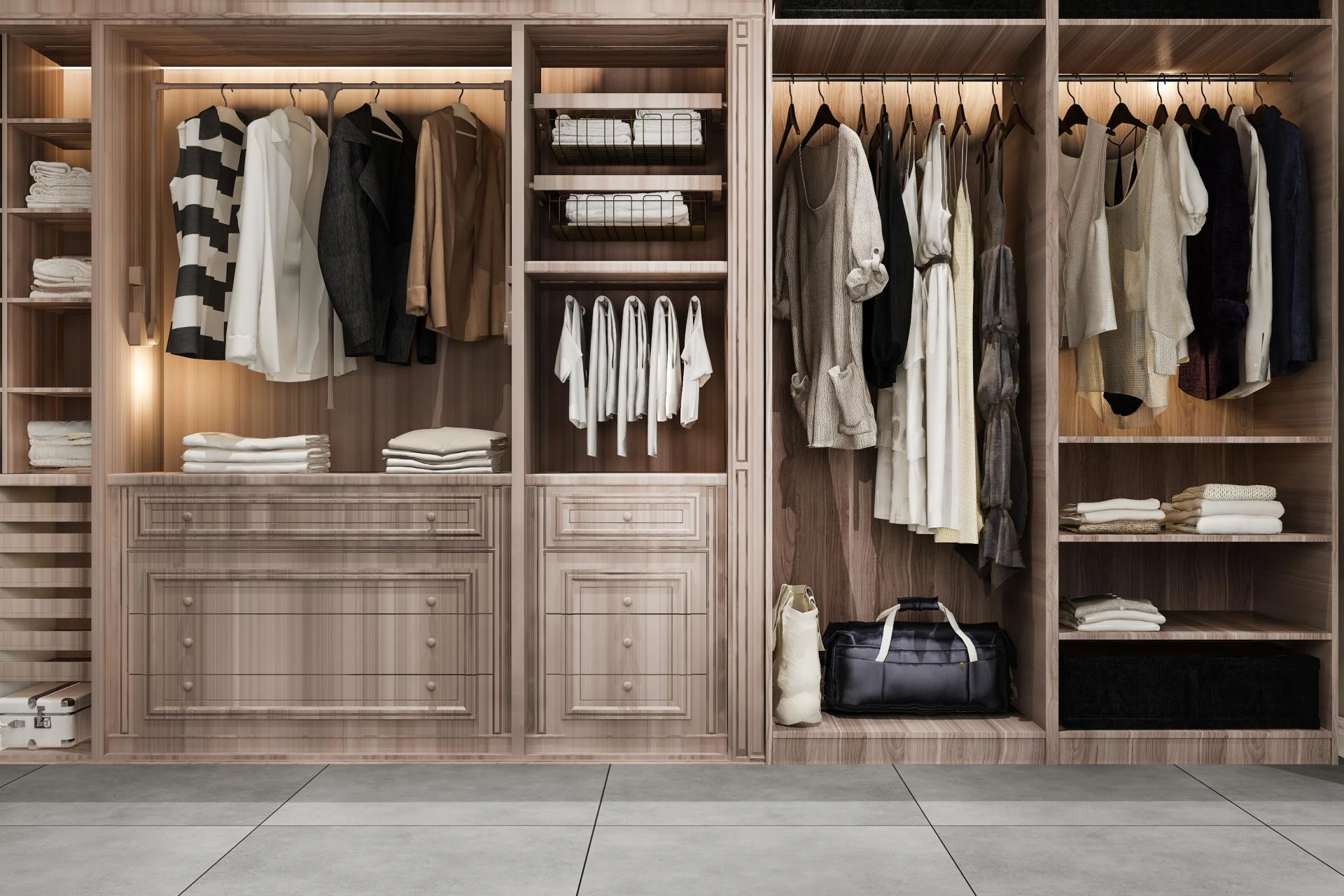
One of the biggest benefits of custom cabinetry is the ability to maximize every inch of your space but many homeowners still end up with storage that’s either too little or poorly planned. Without proper foresight, you can miss out on smart interior features like pull-out drawers, vertical dividers, or hidden shelving.
For instance, tall cabinets that lack adjustable shelves or corner spaces without lazy Susans can quickly become frustrating. Each cabinet should serve a clear purpose, whether it’s organizing dishes, tools, or seasonal items.
The same principle applies outside the kitchen too. For example, custom garage storage cabinets can completely transform your garage from a cluttered area into a clean, efficient workspace. Custom planning ensures you have room for everything from tools and sports gear to seasonal décor without wasting an inch of space.
Smart storage planning is what separates ordinary cabinetry from a design that truly improves your home’s flow and organization.
4. Poor Coordination with Overall Home Style
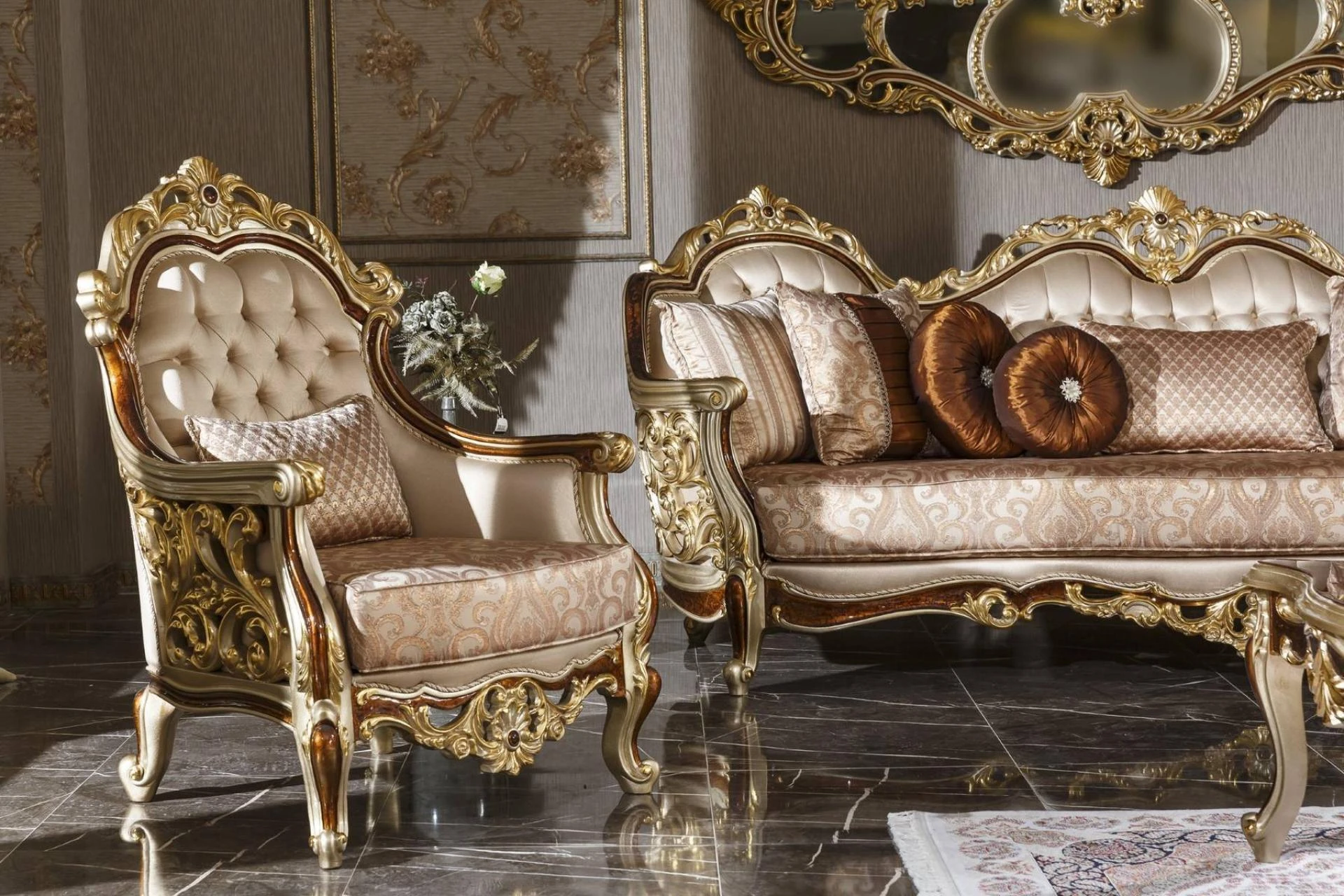
Another common mistake is designing cabinets that don’t blend with your home’s overall aesthetic. For example, ultra-modern cabinets with glossy finishes may look out of place in a rustic farmhouse-style kitchen. Conversely, ornate traditional cabinets can clash with a minimalist, contemporary space.
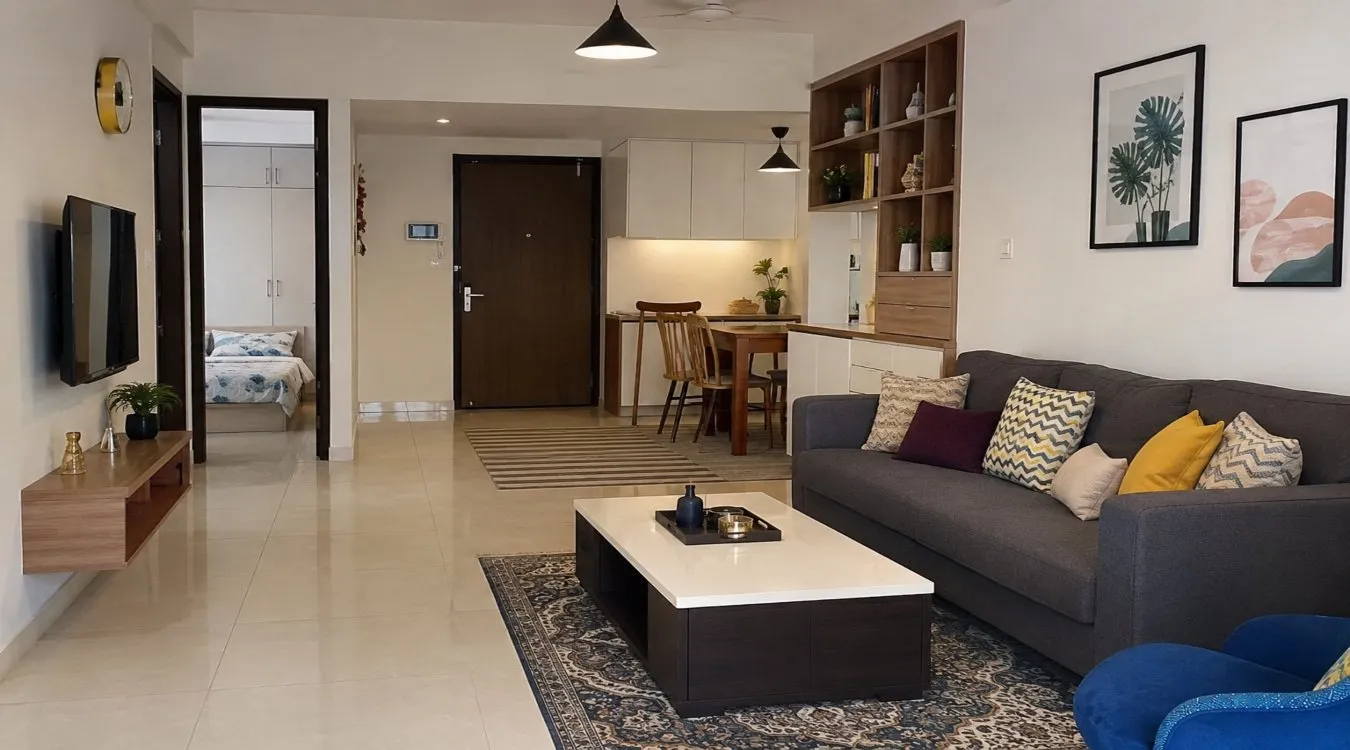
When planning your cabinetry, think of it as part of your home’s larger story. The color, texture, and finish should complement existing flooring, countertops, and wall colors.
Homeowners often find it helpful to create a vision board with inspiration photos before committing to a style. Whether you prefer sleek modern lines or classic craftsmanship, make sure your cabinetry enhances not competes with your home’s character.
Design harmony not only improves visual appeal but also boosts property value, since buyers tend to notice cohesive, well-thought-out interiors.
5. Forgetting Lighting and Hardware Details
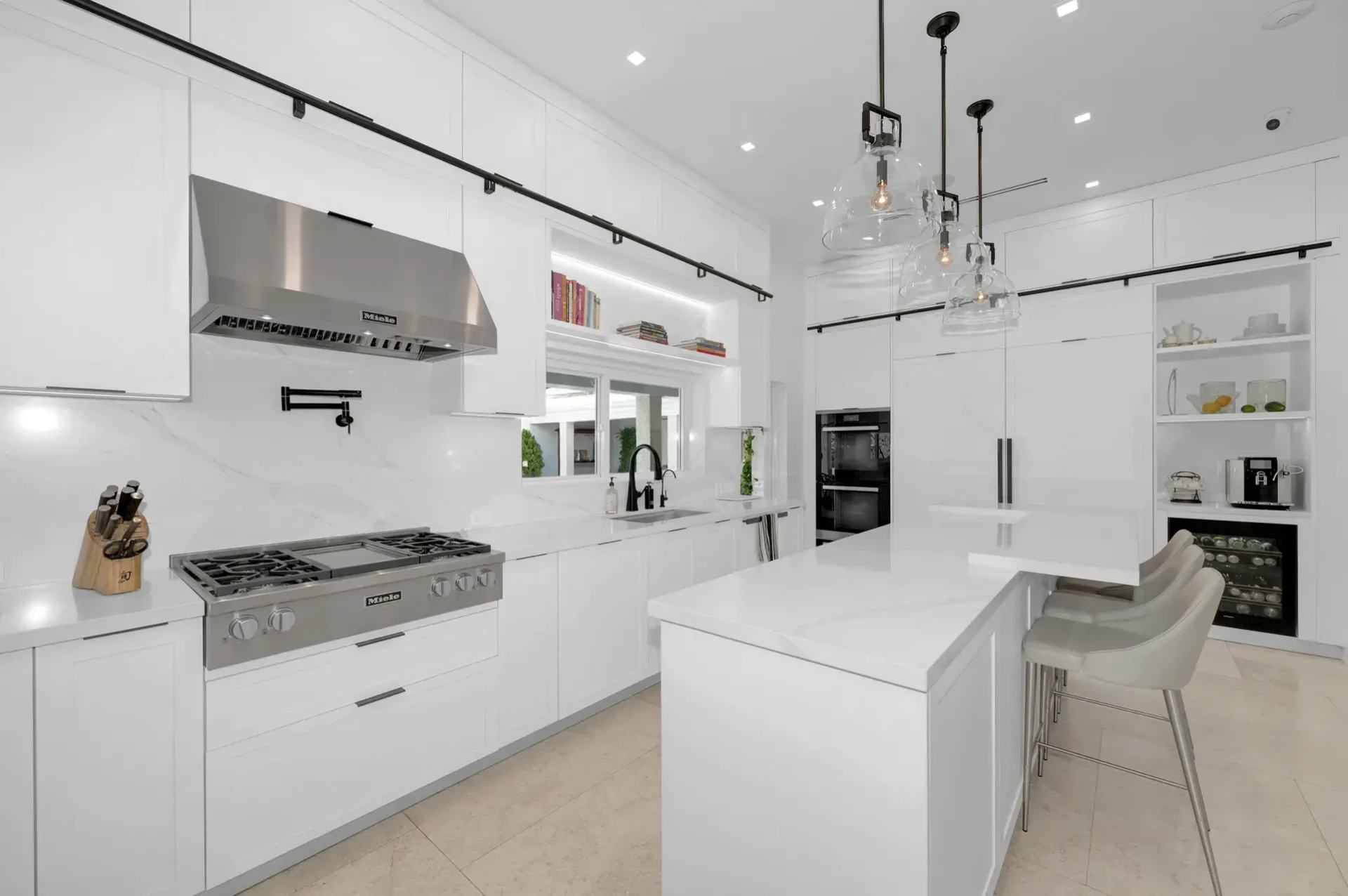
Lighting and hardware might seem like small details, but they have a massive impact on the final look and usability of your cabinets. Skipping under-cabinet lighting can make your beautiful design look flat and uninviting, while poor hardware choices can make drawers awkward to open.
Integrate lighting early in the planning phase LED strips or recessed lights can highlight craftsmanship and make everyday use easier. When it comes to hardware, pick handles and knobs that match the style and tone of your cabinetry.
The right combination of lighting and hardware adds polish and depth to your design, turning your cabinets from simple storage into a true design feature.
How to Avoid These Common Mistakes
The best way to prevent these errors is through thorough planning and professional guidance. Take time to visualize how you’ll use the space, measure carefully, and think about how your needs might change in the future.
Collaborating with experienced designers can also help you avoid common pitfalls. Their expertise ensures your cabinets are functional, durable, and stylish for years to come.
Whether you’re designing a kitchen, bathroom, or utility space, careful planning guarantees results that blend beauty and practicality.
Conclusion
Custom cabinets can be one of the most rewarding upgrades in your home but only if they’re designed right. By avoiding these five common mistakes, you’ll ensure your investment enhances both your home’s function and its aesthetic.
From layout and materials to lighting and style coordination, every detail matters. When planned thoughtfully, your cabinets won’t just store items they’ll transform how you live in your space, blending convenience with timeless beauty.





















Sign in to leave a comment.