

Heart disease is one of the leading causes of illness and death worldwide, but many heart conditions can be successfully managed when detected early. Regular health checkups and timely diagnostic tests play a vital role in identifying heart problems before they become serious.
Many people assume they only need heart tests after experiencing symptoms such as chest pain or shortness of breath. However, individuals with risk factors like high blood pressure, diabetes, high cholesterol, obesity, smoking, or a family history of heart disease can benefit from early cardiac screening.
At Calcutta Heart Clinic & Hospital Society, we believe that early diagnosis is one of the most effective ways to protect your heart. Our experienced cardiologists and advanced diagnostic facilities help patients identify heart conditions at an early stage, allowing timely treatment and better long-term outcomes.
Why Early Diagnosis Matters
Heart disease often develops gradually. In many cases, there are few or no noticeable symptoms until the condition becomes advanced.
Early detection can help:
- Identify heart disease before complications develop
- Prevent heart attacks and strokes
- Monitor existing heart conditions
- Guide timely treatment
- Improve quality of life
- Reduce the risk of hospitalization
Routine screening is especially important for adults over 40 and individuals with cardiovascular risk factors.
1. Electrocardiogram (ECG)
An Electrocardiogram (ECG) is one of the most common and important tests used to evaluate heart health.
What Is an ECG?
An ECG records the electrical activity of your heart using small sensors placed on the chest, arms, and legs.
The test is painless, non-invasive, and usually takes only a few minutes.
What Can an ECG Detect?
An ECG helps doctors identify:
- Irregular heart rhythms (arrhythmias)
- Previous heart attacks
- Signs of reduced blood flow to the heart
- Enlargement of heart chambers
- Electrical abnormalities
Although an ECG may not detect every heart problem, it is often the first test recommended when evaluating heart-related symptoms.
2. Echocardiogram (ECHO)
An Echocardiogram, often called an Echo, uses ultrasound waves to create detailed images of the heart.
Why Is It Performed?
This test allows doctors to evaluate:
- Heart size
- Heart muscle function
- Heart valves
- Blood flow through the heart
- Pumping efficiency (ejection fraction)
When Is an Echocardiogram Recommended?
Doctors may recommend an Echo if you experience:
- Shortness of breath
- Heart murmurs
- Swelling in the legs
- Chest discomfort
- Symptoms of heart failure
It is one of the most valuable tools for diagnosing structural heart disease.
3. Treadmill Stress Test (TMT)
Some heart problems become apparent only when the heart is working harder.
A Treadmill Stress Test (TMT) evaluates how your heart performs during physical activity.
During the Test
You walk on a treadmill while your:
- Heart rate
- Blood pressure
- ECG
- Symptoms
are continuously monitored.
What Can It Detect?
A stress test may help identify:
- Reduced blood flow to the heart
- Coronary artery disease
- Exercise-induced chest pain
- Abnormal heart rhythms during activity
The results help doctors determine whether additional testing or treatment is needed.
4. Lipid Profile (Cholesterol Test)
A simple blood test can provide valuable information about your risk of heart disease.
A Lipid Profile measures:
- Total cholesterol
- LDL (often called "bad" cholesterol)
- HDL (often called "good" cholesterol)
- Triglycerides
Why Is It Important?
High cholesterol contributes to plaque buildup inside the arteries, increasing the risk of:
- Heart attacks
- Stroke
- Peripheral artery disease
Regular cholesterol screening allows doctors to recommend lifestyle changes or medications before serious complications occur.
5. Coronary Angiography
When doctors suspect significant blockage in the coronary arteries, they may recommend Coronary Angiography.
What Is Coronary Angiography?
This specialized imaging procedure uses contrast dye and X-ray technology to visualize blood flow within the coronary arteries.
It Helps Diagnose:
- Blocked arteries
- Narrowed arteries
- Coronary artery disease
- Areas requiring angioplasty or bypass surgery
Coronary angiography provides detailed information that helps cardiologists determine the most appropriate treatment plan.
Additional Tests Your Doctor May Recommend
Depending on your symptoms and medical history, additional investigations may include:
- Holter Monitoring
- Cardiac CT Scan
- Cardiac MRI
- Blood tests for cardiac biomarkers
- Blood pressure monitoring
Your cardiologist will recommend the most appropriate tests based on your individual health needs.
Who Should Consider Heart Screening?
Regular heart evaluations are particularly important for people who:
- Are over 40 years of age
- Have diabetes
- Have high blood pressure
- Have high cholesterol
- Smoke or use tobacco
- Are overweight or obese
- Have a family history of heart disease
- Lead a physically inactive lifestyle
- Experience persistent stress
Even if you feel healthy, preventive screening can help identify problems before symptoms develop.
When Should You See a Cardiologist?
You should seek medical evaluation if you experience:
- Chest pain or pressure
- Shortness of breath
- Palpitations
- Dizziness or fainting
- Swelling in the legs or ankles
- Unexplained fatigue
- High blood pressure that is difficult to control
Early consultation can help prevent serious complications.
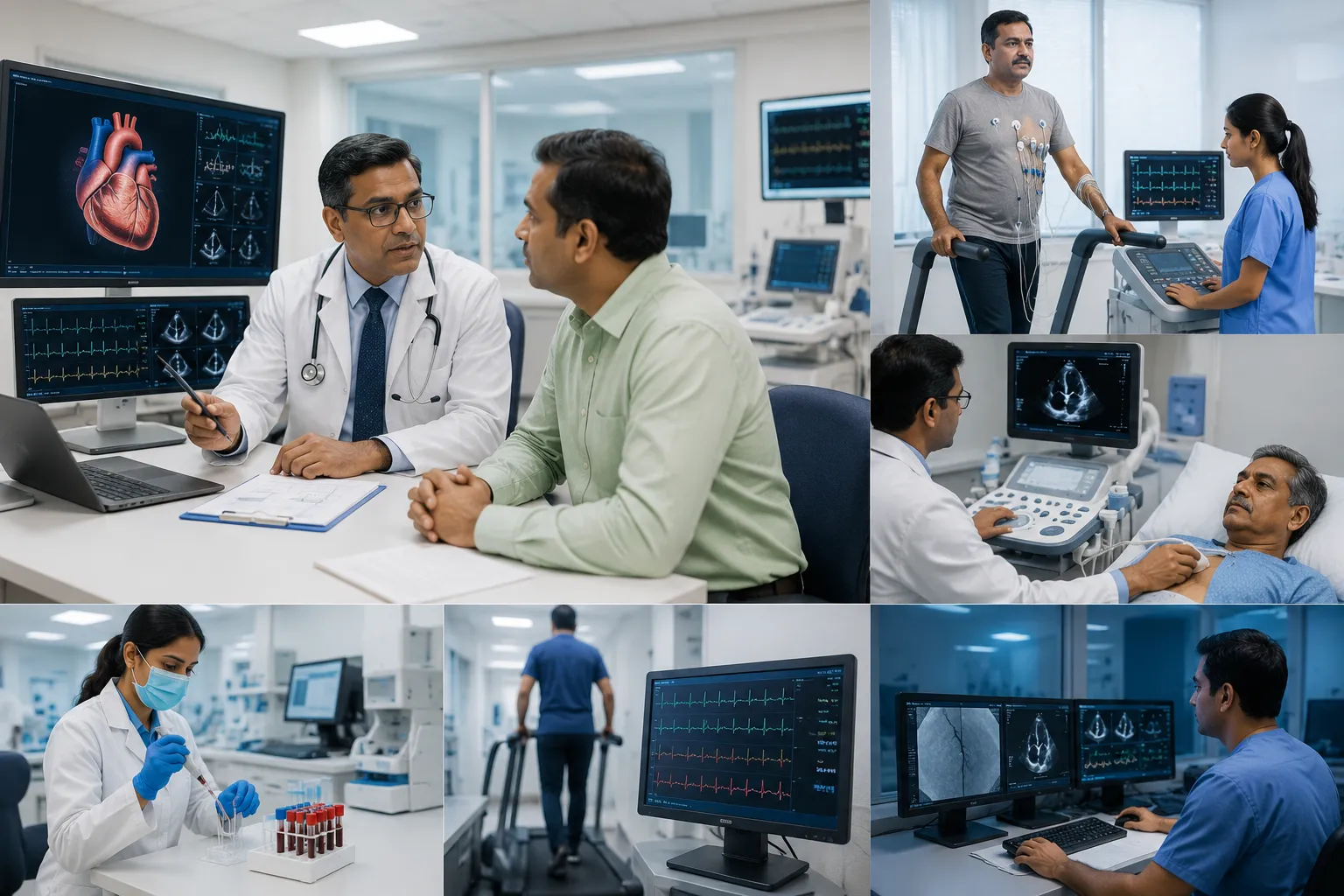
Advanced Cardiac Diagnostics at Calcutta Heart Clinic & Hospital Society
Accurate diagnosis is the foundation of effective heart care. At Calcutta Heart Clinic & Hospital Society, we offer comprehensive cardiac evaluation using modern diagnostic technology and evidence-based medical care.
Our experienced cardiologists perform a wide range of cardiac investigations, including ECG, Echocardiography, Treadmill Stress Testing, blood investigations, and advanced diagnostic procedures. Every patient receives a personalized evaluation to ensure timely diagnosis and appropriate treatment.
Whether you need a preventive heart checkup or evaluation for existing symptoms, our multidisciplinary team is committed to helping you maintain lifelong heart health.
Frequently Asked Questions
Are heart tests painful?
Most common heart tests, including ECG, Echocardiography, and blood tests, are painless and non-invasive. Some specialized procedures may involve minor discomfort, which your healthcare team will explain beforehand.
How often should I have my heart checked?
Adults over 40 or individuals with risk factors such as diabetes, hypertension, or a family history of heart disease should discuss regular screening with their doctor.
Can heart disease be detected before symptoms appear?
Yes. Many heart conditions can be identified through routine screening tests before noticeable symptoms develop, allowing early treatment and reducing the risk of complications.
Do I need all five tests?
Not necessarily. Your doctor will recommend the most appropriate investigations based on your symptoms, age, medical history, and risk factors.
Final Thoughts
Heart disease is often preventable and highly treatable when detected early. Regular health checkups, awareness of risk factors, and timely diagnostic testing can significantly reduce the risk of serious cardiovascular complications.
If you have symptoms, risk factors, or simply want to assess your heart health, don't wait until problems become severe. Early diagnosis provides the opportunity for timely treatment, healthier lifestyle choices, and greater peace of mind.
The experienced cardiology team at Calcutta Heart Clinic & Hospital Society is dedicated to helping patients achieve better heart health through advanced diagnostics, personalized care, and compassionate support.






























Sign in to leave a comment.