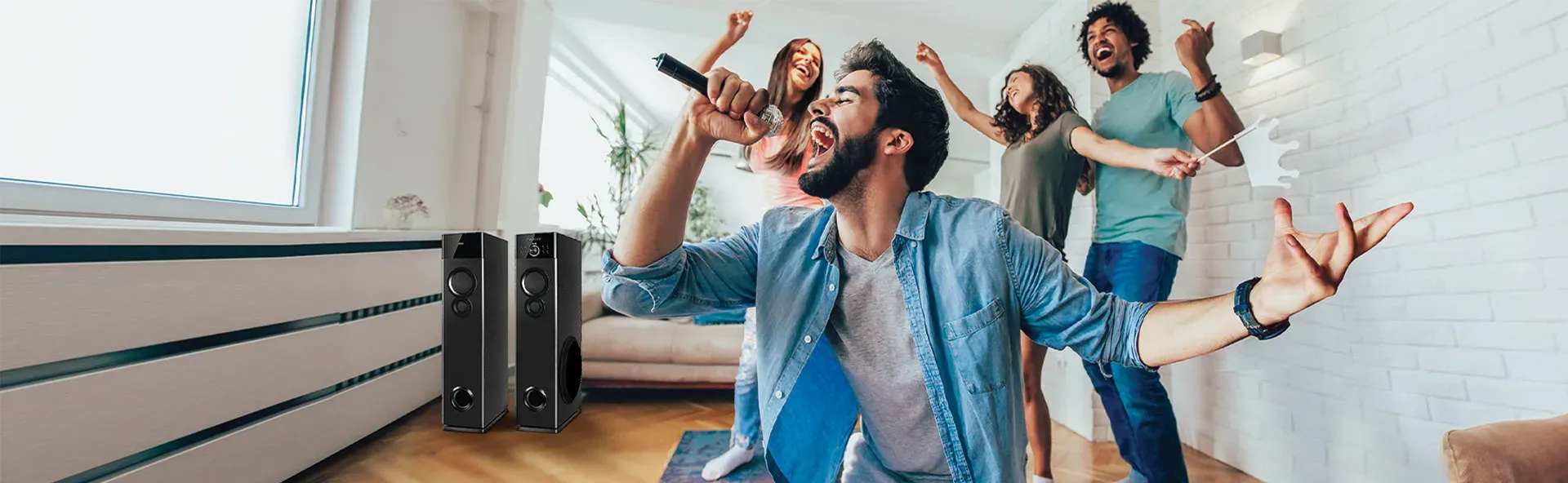

You've finally invested in a quality home audio setup. Maybe you've got a sleek receiver, some impressive speakers, or a complete surround sound system. But here's the thing: your audio system is only as good as the accessories supporting it. The right additions can transform a good setup into an absolutely stellar one.
Let's explore the essential accessories that'll take your listening experience to the next level.
High-Quality Audio Cables Make a Difference
I know what you're thinking. Cables? Really? But hear me out.
While you don't need to spend hundreds on gold-plated nonsense, cheap cables can absolutely bottleneck your sound quality. A decent HDMI cable with ARC (Audio Return Channel) support is crucial if you're connecting a soundbar for TV or running audio from your television to your receiver. Look for cables rated for 4K and HDR if you're future-proofing.
For analog connections, consider oxygen-free copper cables. They reduce interference and deliver cleaner signals. RCA cables, speaker wire, and optical cables all matter more than most people realize. You don't need to break the bank, but stepping up from the cheapest option pays off in clarity and durability.
Speaker wire gauge matters too. For runs longer than 50 feet, use 14-gauge or thicker. Shorter distances can work fine with 16-gauge. Thicker wire means less resistance and better power delivery to your speakers.
Speaker Stands and Mounts
Your speakers sound different depending on where they're positioned. It's not just about left and right—height and angle matter enormously.
Quality speaker stands get your bookshelf speakers to ear level and away from surfaces that cause unwanted vibrations. They isolate the speakers, letting them produce cleaner bass and more accurate mids. Look for stands with cable management options to keep your setup looking tidy.
Wall mounts work beautifully for surround speakers. They save floor space and let you position speakers at optimal angles. Many modern mounts offer tilt and swivel capabilities, so you can fine-tune the sound direction. Just make sure they're rated for your speaker's weight.
Isolation pads deserve a mention here too. These foam or rubber pads sit between your speaker and whatever surface it's on. They prevent vibrations from transferring to furniture, which can muddy your sound and annoy your neighbors. They're cheap, easy to use, and genuinely effective.
Acoustic Treatment Panels
This is where casual listeners become true audiophiles.
Your room is part of your audio system, whether you like it or not. Sound bounces off walls, ceilings, and floors. Hard surfaces create echoes and reflections that mess with what you hear. Acoustic panels absorb these reflections, giving you cleaner, more accurate sound.
You don't need to cover every wall. Strategic placement makes a huge difference. Put panels at first reflection points—the spots on your walls where sound bounces on its way from speaker to listener. The corners of your room also accumulate bass, so corner bass traps help tighten up low frequencies.
Acoustic panels come in various styles now. You can find attractive fabric-wrapped options that look like wall art. Some people even make DIY versions that blend into their decor. Your ears will thank you, and your room won't look like a recording studio unless you want it to.
A Quality Subwoofer (If You Don't Have One)
Even the best home audio system feels incomplete without proper bass response.
Subwoofers handle the low frequencies that regular speakers struggle with. We're talking about the deep rumble of an explosion in a movie, the thump of a kick drum, or the resonance of a cello. These frequencies add weight and impact to everything you listen to.
Placement is tricky with subwoofers. The corner of a room often amplifies bass, but it can also make it boomy and uncontrolled. Experiment with different positions. A technique called the "subwoofer crawl" actually works: place the sub where you normally sit, then crawl around the room listening for where the bass sounds best. That's where your subwoofer should go.
Powered subwoofers have built-in amplifiers, making them easier to integrate. Look for one with adjustable crossover frequency and phase controls so you can match it perfectly to your main speakers.
Streaming Devices and DACs
Your audio system is only as good as the source material feeding it.
A dedicated streaming device like an Apple TV, Roku, or NVIDIA Shield delivers better audio quality than your TV's built-in apps. They support higher-quality audio codecs like Dolby Atmos and DTS: X. Plus, they're usually faster and more reliable than smart TV interfaces.
Digital-to-Analog Converters (DACs) take digital audio signals and convert them to analog. Your receiver probably has one built in, but an external DAC can provide cleaner conversion, especially if you're playing high-resolution audio files. They're particularly valuable if you're streaming lossless audio from services like Tidal or Apple Music.
Some DACs are specifically designed for headphone listening, but multi-purpose units work with your entire system. Look for ones that support the audio formats you use most.
Universal Remote Controls
Multiple remotes are the enemy of actually enjoying your system.
A universal remote consolidates control of your TV, receiver, streaming devices, and more into a single unit. High-end options like Logitech Harmony remotes let you create activities—"Watch Movie" might turn on your TV, switch to the right input, power up your receiver, and launch Netflix, all with one button press.
Smartphone apps work as remotes too. Many receivers and streaming devices have companion apps that work surprisingly well. Some people prefer them because your phone is always nearby anyway.
The goal is removing friction. If it takes six button presses and three different remotes to watch a movie, you'll enjoy your system less. Simplify the experience.
Surge Protectors and Power Conditioners
Protecting your investment matters.
A good surge protector prevents voltage spikes from frying your expensive equipment. Look for units with enough outlets for all your components, plus coaxial and Ethernet protection if you've got cable or network connections.
Power conditioners go a step further. They filter electrical noise that can create hums, buzzes, and interference in your audio signal. If you've ever heard a subtle hum through your speakers when nothing's playing, power issues are often the culprit.
Battery backup units (UPS systems) are worth considering if you live somewhere with frequent power outages. They give you time to properly shut down equipment instead of having it cut off abruptly, which can cause damage over time.
Wireless Speakers for Multi-Room Audio
Sometimes you want music everywhere, not just in your main listening room.
Wireless speakers let you extend your audio throughout your home. Modern systems like Sonos, Bose, or even budget options let you sync music across multiple rooms or play different content in each space. Start breakfast with NPR in the kitchen, then take jazz to the living room while someone else enjoys podcasts in the bedroom.
Many integrate with your existing system, too. Some wireless speakers can serve as surround channels for your main setup, then operate independently when you're not watching movies.
The Final Touch
Great audio accessories aren't about showing off. They're about removing barriers between you and the music, movies, and shows you love. Each piece solves a specific problem, whether it's messy cables, poor speaker placement, or complicated controls.
Start with the basics—good cables and proper placement. Then add accessories that address your specific frustrations. Your home audio system will reward you with years of incredible sound.































Sign in to leave a comment.