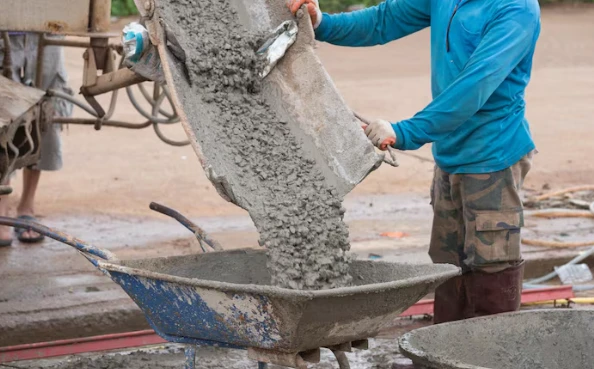

Construction projects today require materials that are strong, reliable, and easy to work with. Whether it is a residential building, a commercial complex, or a large infrastructure project, the quality of concrete plays a major role in the durability and stability of the structure. This is why many builders and contractors now prefer ready mix concrete for modern construction.
Unlike traditional site-mixed concrete, this type of concrete is prepared in a controlled environment using advanced machinery and precise measurements. It is then transported to the construction site in specialized transit mixers, ensuring consistent quality and better performance. Because of these advantages, it has become one of the most trusted construction materials used in residential, commercial, and infrastructure projects.
What is Ready Mix Concrete?
Ready mix concrete is a type of concrete that is manufactured in a batching plant using carefully measured ingredients such as cement, sand, aggregates, water, and admixtures. These components are mixed according to specific formulas to achieve the required strength, durability, and workability.
Once the mixture is prepared, it is delivered directly to the construction site in rotating mixer trucks to maintain its consistency. This method eliminates the need for manual mixing at the site, making the construction process more efficient and organized.
Today, many companies provide concrete solutions designed to meet the unique needs of different construction projects. For example, companies like Aparna RMC offer advanced concrete solutions that support residential, commercial, and industrial developments while ensuring durability, strength, and timely delivery for every job.
Consistent Quality and Strength
One of the biggest advantages of using plant-produced concrete is consistent quality. When concrete is mixed manually at construction sites, there is always a possibility of incorrect proportions or uneven mixing.
In contrast, batching plants use automated systems that measure each ingredient accurately. This ensures that every batch meets the required performance and strength standards. Controlled mixing conditions also allow manufacturers to monitor the quality of raw materials and the final product.
Because of this reliable production process, builders can depend on the material to create long-lasting and stable structures.
Faster Construction Process
Time management is extremely important in construction projects. Delays can increase costs and affect project timelines.
Using pre-mixed concrete helps speed up construction because the material arrives at the site ready to use. Workers do not need to spend time measuring raw materials, mixing them manually, or maintaining additional equipment.
This allows construction teams to focus on placing and finishing the concrete quickly. As a result, projects can be completed faster without compromising quality.
Reduced Material Waste
Traditional on-site mixing often leads to unnecessary material wastage. Errors in estimating quantities or improper mixing techniques can result in extra use of cement, sand, and aggregates.
Plant-produced concrete helps solve this problem because it is manufactured using precise measurements. Only the required amount is delivered to the construction site, which minimizes excess material and reduces wastage.
Efficient use of raw materials not only lowers construction costs but also supports sustainable building practices.
Improved Worksite Safety
Construction sites can become crowded and risky when raw materials are stored and mixed manually. Handling heavy cement bags, aggregates, and mixing machines can increase the chances of accidents.
With centralized concrete production, the mixing process takes place at a dedicated facility instead of the job site. This reduces dust, clutter, and physical strain on workers.
As a result, the construction site becomes safer and more organized, allowing workers to focus on completing tasks efficiently.
Flexibility for Different Construction Needs
Every building project has unique structural requirements. Some projects require high-strength concrete, while others may need specialized mixes to handle weather conditions or heavy loads.
Manufacturers can create customized mix designs depending on the needs of the project. These mixes may include special additives that improve durability, strength, or resistance to environmental factors.
Because of this flexibility, it can be used in a wide range of applications such as residential buildings, commercial complexes, bridges, highways, and industrial structures.
Reliable Supply and Timely Delivery
Another major advantage is reliable supply. Professional concrete suppliers use well-planned logistics systems and transit mixer trucks to deliver concrete directly to construction sites.
These trucks keep the mixture in motion during transportation so that it remains fresh and workable when it arrives. Timely delivery helps contractors maintain project schedules and avoid delays.
For large projects that require continuous pouring, a dependable supply system is essential to maintain structural integrity and ensure smooth construction progress.
Environmentally Friendly Construction
Sustainability has become an important focus in modern construction. Centralized concrete production helps support eco-friendly building practices.
Since mixing takes place in a controlled facility, dust emissions and material wastage are significantly reduced. Efficient batching systems also help optimize the use of water and raw materials.
Additionally, centralized production allows companies to monitor energy consumption and adopt environmentally responsible practices more easily.
These factors make modern concrete production a more sustainable option compared to traditional on-site mixing methods.
Cost-Effective for Large Projects
Although plant-produced concrete may appear to be a premium option, it often reduces the overall cost of construction projects.
Faster construction, reduced labor requirements, minimal wastage, and consistent quality contribute to long-term savings. Contractors also avoid expenses related to storing materials, operating mixing machines, and managing additional labor for manual mixing.
For medium and large construction projects, this method often proves to be a more practical and cost-effective solution.
Conclusion
Modern construction demands materials that provide strength, reliability, and efficiency. Ready mix concrete has become an ideal solution because it ensures consistent quality, faster construction, reduced waste, and improved worksite safety.
With advanced production methods and reliable supply systems, this type of concrete supports a wide range of construction needs. From residential homes to large infrastructure developments, it continues to play a key role in building safe, durable, and long-lasting structures.

























Sign in to leave a comment.