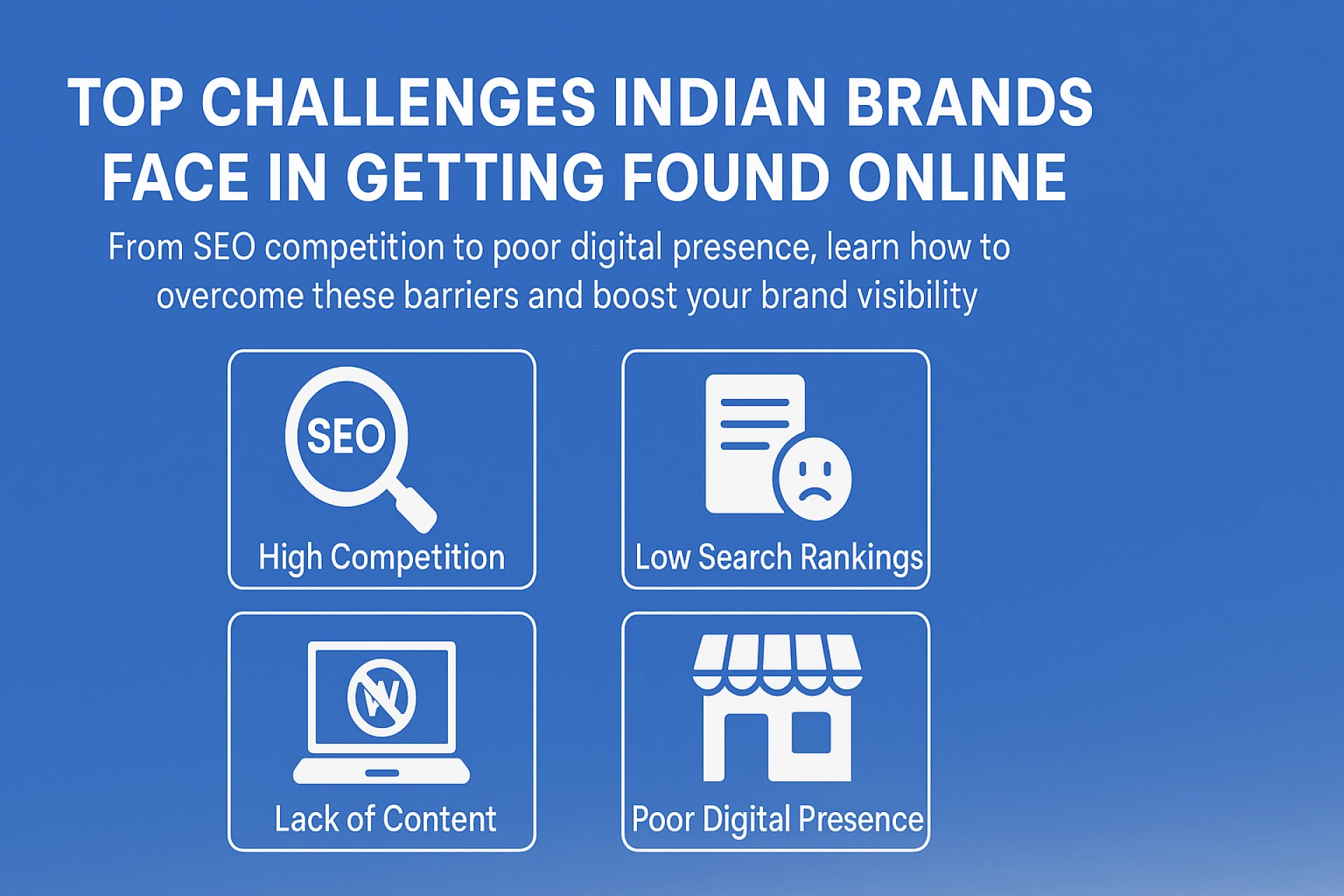

The digital landscape in India is both a tremendous opportunity and a complex battleground for brands trying to establish their online presence. With over 750 million internet users and counting, the potential for growth is enormous. Yet, many Indian brands struggle to cut through the digital noise and reach their target audiences effectively.
Understanding these challenges is the first step toward overcoming them. Let's explore the most significant hurdles Indian brands face when trying to get discovered online and the strategies that successful companies use to navigate these obstacles.
The Overwhelming Competition in Digital Spaces
Indian markets are incredibly competitive, and this intensity multiplies exponentially in the online world. Every industry sector, from traditional retail to emerging tech services, faces an avalanche of competitors vying for the same audience attention. Small and medium businesses often find themselves competing not just with local players but with national and international brands that have significantly larger marketing budgets.
The challenge becomes even more complex when you consider that many businesses are targeting similar keywords and audience segments. When hundreds of companies are trying to rank for terms like "best restaurant in Mumbai" or "affordable fashion online," standing out requires more than just basic optimization efforts.
This competition has created a scenario where simply having a website isn't enough. Brands need comprehensive digital strategies that encompass multiple channels, consistent messaging, and unique value propositions that differentiate them from countless alternatives.
Language and Regional Diversity Complexity
India's linguistic diversity presents unique challenges that international brands rarely face. With 22 official languages and hundreds of regional dialects, creating content that resonates across different markets requires sophisticated understanding and resources.
Many brands make the mistake of focusing solely on English content, potentially missing huge segments of their target market. Regional language content often performs better for local searches, but creating high-quality, culturally appropriate content in multiple languages demands significant investment and expertise.
The challenge extends beyond translation. Cultural nuances, local preferences, and regional search behaviors vary dramatically across different states and cities. What works in Delhi might completely miss the mark in Chennai or Kolkata. Brands need to develop localized strategies that speak authentically to diverse audiences while maintaining brand consistency.
Technical Infrastructure and Website Performance Issues
Despite rapid digital infrastructure improvements, many Indian brands still struggle with basic technical elements that impact their online visibility. Slow-loading websites, poor mobile optimization, and inadequate hosting solutions create significant barriers to both user experience and search engine rankings.
The mobile-first reality of Indian internet usage makes these technical challenges even more critical. With the majority of users accessing websites through smartphones, often on slower network connections, every second of loading time can mean the difference between engagement and abandonment.
Many businesses underestimate the importance of technical optimization, focusing primarily on content and social media while neglecting foundational elements like site speed, mobile responsiveness, and user experience design. Working with a reliable website development company in Gurgaon or other tech hubs can help address these technical barriers, but many brands delay these investments until performance issues become critical.
Limited Understanding of SEO and Digital Marketing
One of the most significant challenges facing Indian brands is the gap between digital marketing knowledge and implementation. Many business owners understand that they need an online presence but lack the expertise to execute effective strategies.
Search engine optimization remains particularly mysterious for many brands. They recognize its importance but struggle with the technical aspects, content requirements, and long-term commitment that effective SEO demands. This knowledge gap often leads to inconsistent efforts, unrealistic expectations, or falling prey to questionable service providers promising quick results.
The rapidly evolving nature of digital marketing algorithms and best practices makes this challenge even more complex. What worked six months ago might be ineffective today, requiring continuous learning and adaptation that many businesses find overwhelming.
Budget Constraints and Resource Allocation
Cost considerations significantly impact how Indian brands approach digital marketing. Many businesses, particularly smaller ones, operate with limited marketing budgets that must stretch across multiple channels and initiatives.
This budget pressure often leads to short-term thinking and fragmented approaches. Brands might invest in social media advertising one month, try email marketing the next, and experiment with influencer partnerships the following month, without developing cohesive, long-term strategies.
The temptation to choose the cheapest available options often backfires, resulting in poor-quality websites, ineffective advertising campaigns, or substandard content that fails to engage audiences. Finding the right balance between cost-effectiveness and quality requires careful planning and often expert guidance.
Measuring and Understanding Digital Performance
Many Indian brands struggle with analytics and performance measurement, making it difficult to understand what's working and what isn't. Without proper tracking systems and interpretation capabilities, businesses often continue investing in ineffective strategies while missing opportunities to optimize successful ones.
The abundance of available metrics can be overwhelming for business owners who lack digital marketing expertise. Website traffic, social media engagement, conversion rates, and search rankings all provide valuable insights, but interpreting this data and translating it into actionable strategies requires specialized knowledge.
This measurement challenge extends to understanding return on investment for digital marketing efforts. Many brands find it difficult to connect online activities directly to business results, making it challenging to justify continued investment or optimize resource allocation.
Building Trust and Credibility Online
Establishing credibility in the digital space presents unique challenges for Indian brands, particularly those transitioning from traditional business models. Online reputation management, customer review systems, and digital trust signals require different approaches than conventional relationship-building methods.
The prevalence of fake reviews, misleading advertising, and online scams has made consumers more skeptical of digital marketing messages. Brands must work harder to establish authenticity and build trust through consistent, transparent communication and genuine value delivery.
Social proof becomes crucial in this environment, but many brands struggle to generate authentic customer testimonials, positive reviews, and user-generated content that supports their credibility claims.
Keeping Up with Platform Changes and Trends
The digital marketing landscape evolves rapidly, with social media platforms updating algorithms, search engines modifying ranking factors, and new marketing channels emerging regularly. Indian brands often struggle to stay current with these changes while managing day-to-day business operations.
Platform dependency creates additional risks. Brands that invest heavily in specific social media channels or advertising platforms can see their reach and effectiveness diminish overnight due to algorithm changes or policy updates beyond their control.
This constant evolution requires continuous learning and adaptation, which can be particularly challenging for businesses without dedicated digital marketing teams or resources.
Finding Reliable Digital Marketing Partners
The digital marketing services industry in India includes many excellent providers alongside numerous questionable operators promising unrealistic results. Brands often struggle to identify reliable partners who can deliver genuine value rather than empty promises.
Many businesses have been burned by agencies that guarantee top search rankings, promise viral social media success, or claim to have secret techniques for instant online visibility. These experiences create skepticism that makes it harder for legitimate service providers to build trust with potential clients.
Working with reputable partners, such as the Best SEO Company In Gurgaon or established agencies in other major cities, can make a significant difference, but identifying these quality providers requires research and due diligence that many business owners find challenging.
Moving Forward: Strategic Solutions
Despite these challenges, many Indian brands are successfully building strong online presences by approaching digital marketing strategically. They invest in understanding their audiences, develop long-term content strategies, prioritize technical excellence, and measure performance consistently.
The key lies in recognizing that online visibility isn't achieved through quick fixes or isolated tactics. It requires comprehensive strategies, consistent execution, and continuous optimization based on performance data and market feedback.
Success in the Indian digital landscape demands patience, persistence, and often professional guidance. Brands that commit to building genuine value for their audiences, maintain consistency across all digital touchpoints, and adapt strategies based on real performance data will find ways to overcome these challenges and achieve sustainable online growth.
The digital opportunity in India remains enormous for brands willing to navigate these challenges thoughtfully and strategically.




























Sign in to leave a comment.