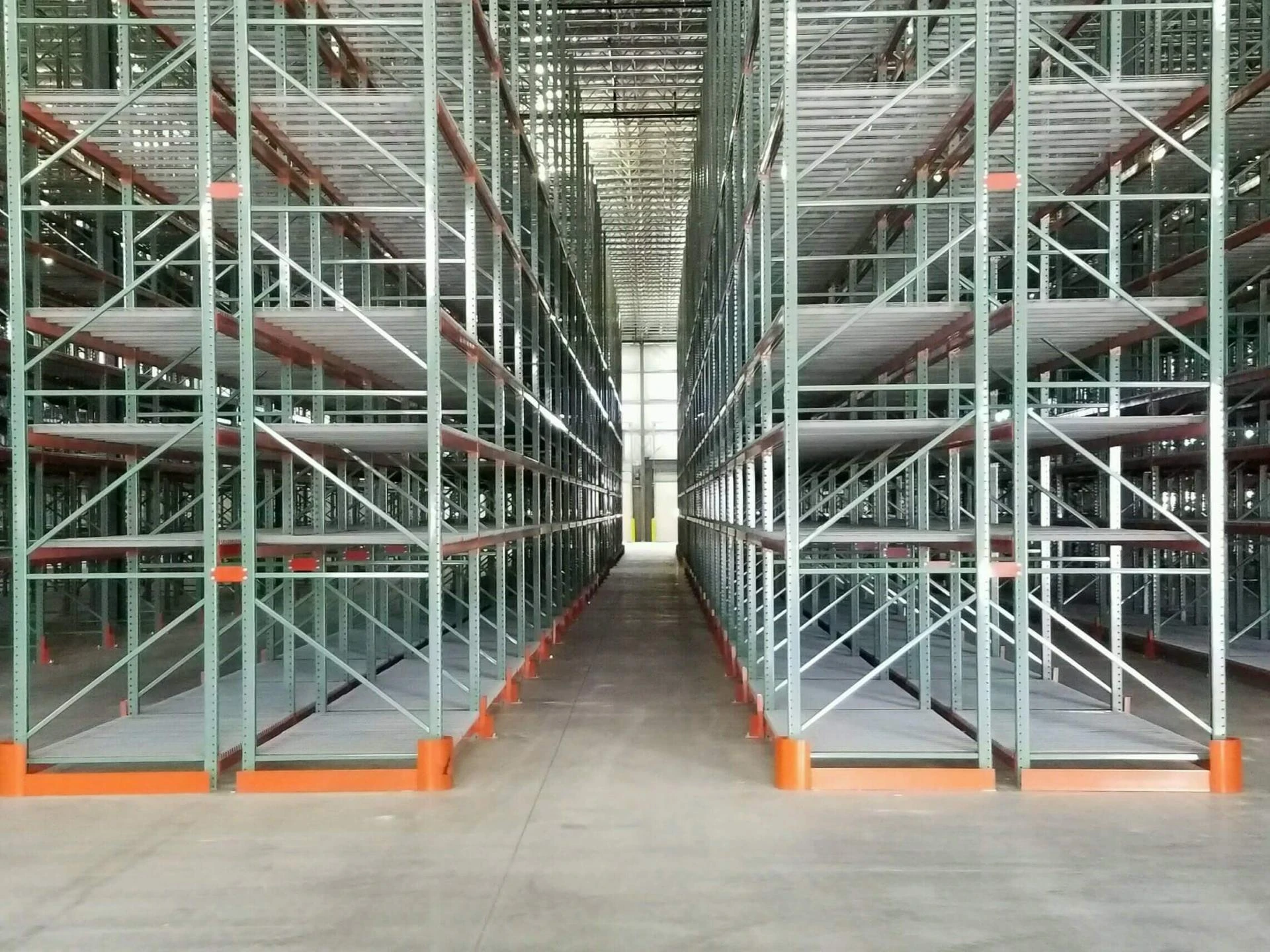

When expanding or upgrading warehouse storage, pallet racks often become a practical solution. Many businesses turn to used pallet racks to reduce costs while still maintaining efficiency. While this approach can provide significant savings, poor planning or rushed decisions may lead to costly mistakes. Understanding the common pitfalls will help ensure a smarter purchase that benefits both the budget and the long-term performance of the storage system.
Finding the best deals on used pallet racks often requires more than just comparing price tags. A careful evaluation of condition, safety standards, and compatibility will save money and reduce risks in the long run. Avoiding common errors enables buyers to secure equipment that performs reliably and enhances warehouse operations.
Ignore the Importance of Rack Condition
The physical condition of a pallet rack is one of the most critical factors to assess. Damaged beams, rusted uprights, or weakened welds can compromise the rack’s structural strength. Buying racks without a thorough inspection may result in equipment that fails under heavy loads. This puts both inventory and staff at risk.
A simple visual check is often not enough. It is better to confirm that racks have been properly stored, repaired if necessary, and are free of hidden flaws. Surface rust may be manageable, but deep corrosion or bent components are warning signs. Skipping this step can turn what seems like a bargain into a costly liability.
Overlook Load Capacity Ratings
Every pallet rack system is designed with a specific weight capacity. Using racks beyond their intended limits is unsafe and may cause collapses. A common mistake is assuming all racks have the same strength or believing that minor overloading will not matter. This assumption can lead to dangerous situations.
Load ratings should always be confirmed with the supplier. If documentation is missing, buyers should avoid the purchase. Choosing racks without verified ratings may require future replacements or modifications that erase initial savings.
Fail to Check Compatibility with Existing Systems
Warehouse operations often involve a mix of storage solutions. Adding used pallet racks without checking compatibility can disrupt efficiency. Mismatched components may not connect properly, and mixing brands can create stability issues. This slows down installation and may also affect safety.
Compatibility also extends to forklifts, pallets, and aisle spacing. A system that does not align with equipment or workflow can reduce productivity. Taking time to confirm proper fit ensures smoother integration and prevents future headaches.
Neglect Safety Standards and Compliance
Safety should never be compromised when purchasing warehouse equipment. Older pallet racks may not meet current industry standards. Ignoring safety regulations exposes a business to fines, accidents, or insurance issues. It is essential to verify that used racks comply with local codes and safety requirements.
Buyers should request documentation or proof of compliance before finalizing a purchase. Investing in racks that fall short of standards may require expensive adjustments later. Ensuring compliance from the start protects both operations and personnel.
Misjudge the True Cost of Used Racks
Price often drives decisions when purchasing used racks, but the cheapest option is not always the most economical. Additional expenses such as repairs, replacement parts, shipping, and installation may exceed initial expectations. Failing to factor in these costs can make a seemingly affordable deal less attractive.
A better approach is to calculate the total cost of ownership. This includes transportation, setup, and any necessary maintenance. A slightly higher upfront cost for well-maintained racks may save more over time compared to cheaper racks requiring constant repairs.
Buy Without Measuring Warehouse Space
Pallet racks come in different heights, widths, and depths. Buying without measuring the warehouse space can result in racks that do not fit properly. Poor spacing may block aisles, limit forklift movement, or reduce storage capacity.
Before purchasing, exact measurements of ceiling height, aisle width, and floor layout should be taken. A well-planned system maximizes available space and improves workflow efficiency. Rushing into a purchase without measurements often leads to avoidable layout issues.
Ignore Supplier Reputation
The source of used racks is just as important as the product itself. Buying from unknown or unreliable sellers increases the risk of receiving damaged or substandard equipment. Many buyers make the mistake of focusing only on price and skipping background checks on the supplier.
Reputable suppliers provide accurate information, documentation, and support. They are more likely to offer warranties or return policies. Trustworthy sellers help reduce the risks associated with used equipment purchases.
Shopping for used pallet racks can provide significant savings if approached with care. Mistakes such as ignoring conditions, overlooking load ratings, or failing to measure space can result in safety hazards and wasted money. By asking questions, confirming compatibility, and considering future expansion, buyers set themselves up for long-term success. Those who research thoroughly often secure the best deals on used pallet racks without compromising safety or efficiency. Careful planning ensures that the investment supports warehouse operations for years to come.


























Sign in to leave a comment.