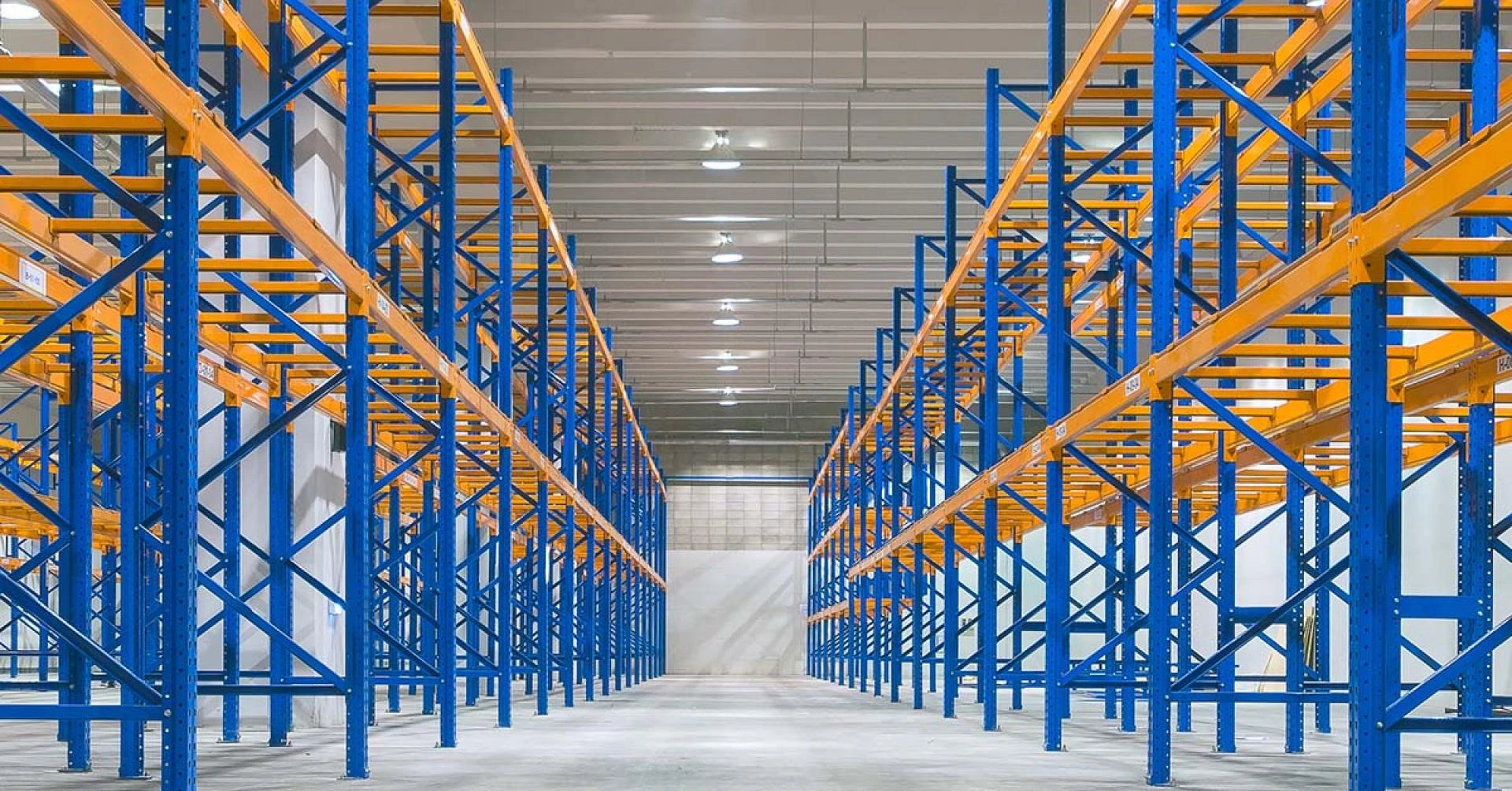

Pallet racks support storage operations across many facilities. Over time, their components may wear down, shift out of place, or become weakened by repeated use. Even slight changes in rack condition can affect safety and performance. Timely inspection and repair help prevent product loss or workplace disruption.
A reliable pallet racking supplier usually encourages regular inspections for this reason. Workers and managers who monitor for signs of rack stress help maintain a stable environment. Visual checks, alignment reviews, and feedback from employees all contribute to timely repairs. Each section below focuses on clear signs that maintenance is due.
Frame Damage or Distortion
Bent uprights or deformed beams may appear after impacts with machinery. Such changes may not always seem serious, but they can lead to unstable loading conditions. Surface damage on the steel may also indicate internal weakness. Heavy loads placed on damaged structures can lead to misaligned shelves.
Small splits, dents, or twisted sections should prompt a detailed inspection. Paint removal can expose steel to further stress. If frame integrity looks affected, avoid placing heavy loads in that zone. Hardware and connections near damaged parts should also be examined to confirm their function.
Uneven Shelves or Rack Lean
Misalignment between shelves can signal underlying movement within the rack. Horizontal beams should sit flush across levels. If one side hangs lower, it could be due to warping or connector wear. A gap between beams and upright channels sometimes points to anchor or locking failure.
A pallet racking supplier may suggest using a level or a tape measure during routine checks. Visual markers on upright columns help identify beam shifts. Spotting slanted pallets or uneven gaps between levels allows for quick adjustment. Uneven racks can place more stress on a single section over time.
Signs of Rust or Surface Wear
Rust weakens steel and spreads if not handled early. It usually starts where moisture collects, near baseplates or around welded joints. Orange surface discoloration, peeling paint, or flaky buildup are strong signs of corrosion. Moisture trapped behind column protectors or under pallets may speed up rust formation.
Racks stored in high-humidity conditions may need periodic treatment. Protective coating or surface refinishing can slow the process. Wipe down exposed areas regularly to remove dirt and residue. Rust around bolted joints should be cleared before retightening any hardware.
Hardware Loosens Over Time
Warehouse activity may cause bolts, anchors, or pins to lose tension. Beams rely on secure hardware to carry the rated weight. Loose connections increase the chance of beam movement or shelf shift. Spotting a gap between the upright and the beam usually means the bolt is no longer tight.
Workers should carry a checklist to verify anchor points during routine maintenance. Fasteners that cannot be fully tightened may need replacement. If bolts seem stripped, switch them with new ones of equal grade. Anchor systems must also match the type of flooring material used.
Layout or Load Adjustments
If the rack was recently moved or resized, inspect all joints and braces. New shelf heights may place added pressure on uprights or beams. Changes in product size or weight also influence rack performance. Always confirm that the load capacity matches the new setup.
Reinforce racks that now hold taller items or heavier units. Check that all parts match the system brand and model. Do not reuse incompatible pieces from other units. If parts look similar but do not connect properly, that may increase the chance of movement.
Reports from On-Site Staff
Feedback from workers helps spot issues early. They may notice changes during daily loading tasks that are not visible during inspections. Use staff reports as a guide to plan weekly visual checks. Any concerns about movement, balance, or shelf strength should be reviewed quickly.
Staff may point out areas where:
1. Beams appear uneven
2. Pallets lean or shift during loading
3. Racks vibrate during operation
4. Shelves seem harder to reach
5. Products fall or tip more than usual
Get Expert Support for System Checks and Upgrades
Choosing the right support for rack inspections and planning repairs can simplify warehouse operations. Companies that focus solely on racking systems bring deep experience, clear guidance, and reliable service for both small fixes and complete reconfigurations. A specialized team can identify potential structural concerns faster and recommend options that align with the rack’s original design and capacity.
Working with a pallet racking supplier that provides tailored evaluations helps extend system life and maintain safety standards. Their involvement during layout changes or load shifts prevents overlooked stress points. They also offer direct access to compatible parts and efficient solutions that reduce downtime. For teams aiming to stay ahead of the wear, these services bring clear value.
A reliable supplier will stress the importance of regular inspections and prompt repairs. Whether the issue is physical damage, corrosion, or shifting loads, acting early prevents breakdowns and boosts safety. Monitoring for signs like loose hardware or structural imbalance helps avoid unexpected downtime. With routine checks and staff awareness, warehouse managers can keep pallet racks functioning at their best.


















Sign in to leave a comment.