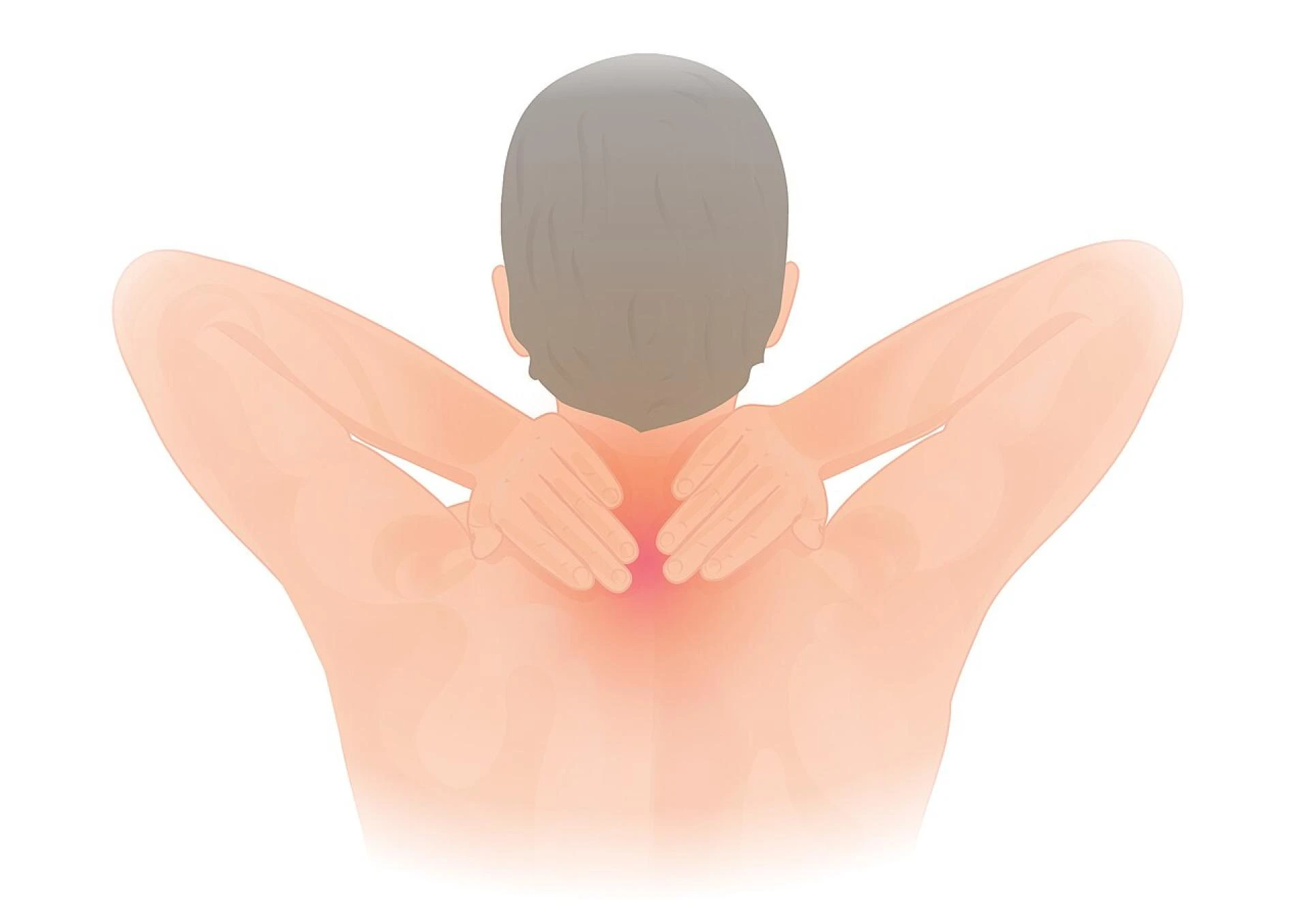

Cervical pain, often referred to as neck pain, is a prevalent issue affecting many individuals at some point in their lives. This type of pain can stem from various causes, including muscle strain, poor posture, injuries, and medical conditions like cervical spondylosis or herniated discs. To manage cervical pain effectively, a combination of treatments is typically recommended, including physical therapy, lifestyle changes, and medications. Among the medications, muscle relaxants play a crucial role in alleviating muscle spasms and reducing discomfort. This article explores some of the top muscle relaxants used for cervical pain, detailing their mechanisms, efficacy, and potential side effects.
Top Cervical Pain Muscle Relaxants in India -
1. ThioQuest Gel
ThioQuest pain relief gel is a potent topical muscle relaxant designed to provide relief from various types of muscle pain, including low back pain, neck pain, chronic neck aches, cervical pain, backaches, cramps, frozen shoulder pain, muscle strains, ankle pain, and more. Whether the discomfort stems from sports injuries, fitness routines, or everyday activities, its powerful formula ensures fast and effective relief. Utilizing a dual-action mechanism, the gel penetrates deeply for higher absorption, providing quick and long-lasting relief without any greasy, sticky, or staining residue.
Its compact design makes it convenient for on-the-go use. ThioQuest™-Gel combines high-potency plant extracts, including Thiocolchicoside, linseed oil, Methyl Salicylate, Menthol, and Diclofenac, synergized using their proprietary Phyto-Advance technology for effective relief.
2. Cyclobenzaprine (Flexeril)
Cyclobenzaprine is a centrally acting muscle relaxant that blocks nerve impulses, or pain sensations, sent to the brain. Structurally similar to tricyclic antidepressants, it is commonly prescribed for short-term relief of muscle spasms associated with acute musculoskeletal conditions, including cervical pain.
Cyclobenzaprine is typically prescribed in doses of 5 to 10 mg, taken three times a day. Its usage is generally recommended for short-term periods, usually not exceeding two to three weeks. Common side effects include drowsiness, dry mouth, and dizziness. Due to its sedative properties, activities requiring full alertness, such as driving, should be avoided while taking this medication.
3. Baclofen (Lioresal)
Baclofen works by inhibiting the transmission of nerve signals in the spinal cord, which helps reduce muscle spasms and stiffness. It is particularly effective for treating muscle spasticity resulting from neurological disorders but can also be used for cervical pain associated with muscle spasms.
The starting dose of baclofen is usually 5 mg taken three times daily, which can be gradually increased to a maximum of 80 mg per day, depending on the patient\'s response and tolerance. Potential side effects include drowsiness, weakness, dizziness, and gastrointestinal issues such as constipation and nausea. Baclofen should be tapered off gradually to avoid withdrawal symptoms.
4. Tizanidine (Zanaflex)
Tizanidine is an alpha-2 adrenergic agonist that reduces the release of excitatory neurotransmitters, diminishing muscle spasms and improving muscle tone. It is particularly useful for short-term treatment of muscle spasticity and is commonly prescribed for cervical pain.
Tizanidine is typically started at a low dose of 2 mg taken up to three times daily, which can be gradually increased to a maximum of 36 mg per day. Common side effects include drowsiness, dry mouth, and weakness. Tizanidine may cause a drop in blood pressure, so it should be used cautiously in individuals with hypotension or those taking antihypertensive medications.
Muscle relaxants can provide significant relief from cervical pain, but they are most effective when used as part of a comprehensive treatment plan that includes physical therapy, proper ergonomics, and lifestyle modifications. It is crucial to use these medications under the guidance of a healthcare professional, as they can have side effects and interactions with other drugs. By understanding the available options and their respective benefits and risks, patients can work with their healthcare providers to manage cervical pain effectively and safely.
Please make sure you consult a doctor before you start to use or apply any of the suggested options in this article. Not just in the case of a muscle relaxant but you should always consult a doctor before starting to consume or use any healthcare product to avoid health issues.
Image source/ credits - Wikipedia




























Sign in to leave a comment.