
Jason had spent nearly fifteen years building his manufacturing business in Canada. What started as a small operation with only a few employees had gradually grown into a respected company serving customers across several provinces. Every success came through hard work dedication and countless hours spent managing daily operations.
Like many business owners Jason focused most of his attention on growth customer satisfaction and employee development. Security was important but it was never at the top of his priority list. He believed his business was located in a safe area and assumed serious security threats were unlikely to affect his company.
For years everything seemed fine. Employees arrived each morning completed their work and returned home at the end of the day. Customers continued placing orders and business remained steady. The routine created a sense of confidence that made security concerns feel distant and unimportant.
That perspective changed one Monday morning when Jason arrived at work and discovered that unauthorized individuals had entered a restricted area of the facility over the weekend. Although the financial loss was relatively small the incident exposed weaknesses he had never considered. It became the beginning of an important lesson about the security risks facing modern businesses.
The Reality of Modern Business Threats
Why Businesses Are Becoming Targets
As Jason investigated the situation he learned that security challenges are becoming more common for businesses across Canada. Criminal activity does not only target large corporations with massive budgets and national recognition. Small and medium sized businesses frequently face risks because they may have fewer protective measures in place.
Many business owners assume that limited visibility makes them less attractive targets. However criminals often focus on opportunities rather than company size. A business with weak security can appear far more appealing than a larger organization with stronger protection.
This realization surprised Jason because he had always associated security threats with major enterprises. He soon discovered that businesses of all sizes face a variety of risks that can impact operations finances and reputation.
The more he learned the clearer it became that security is no longer a concern reserved for specific industries. Every organization that manages property equipment employees or sensitive information faces potential vulnerabilities.
Physical Intrusions and Property Crimes
The Threat of Unauthorized Access
One of the first risks Jason examined involved unauthorized access to business facilities. Commercial buildings often contain valuable assets including inventory equipment tools and important records. These items can attract unwanted attention when security measures are insufficient.
A single unauthorized entry can create significant problems. Property damage stolen equipment and operational disruptions can affect productivity for days or even weeks. The consequences often extend beyond the immediate financial losses.
Jason realized that his company had several areas where access control could be improved. Certain sections of the building were not monitored effectively and some entry points received little attention outside business hours. These vulnerabilities created opportunities he had previously overlooked.
Improving physical security became one of his highest priorities. He understood that controlling access was an essential step toward protecting the entire organization.
Vandalism and Property Damage
Another issue that concerned Jason was vandalism. While theft often receives the most attention property damage can be equally disruptive. Graffiti broken windows damaged equipment and other forms of vandalism can create unexpected expenses and operational delays.
Businesses may also experience reputational effects when visible damage remains unresolved. Customers employees and visitors often form opinions based on the appearance of a facility. Maintaining a secure and professional environment is important for long term success.
Jason spoke with several neighboring business owners and discovered that vandalism had affected multiple companies in the area. These conversations reinforced the importance of proactive protection rather than reactive responses.
The experience taught him that security involves preserving both assets and public confidence. Protecting property contributes directly to maintaining a positive business image.
Internal Security Challenges
Risks From Within the Organization
While external threats initially captured Jason's attention he soon learned that internal risks deserve equal consideration. Businesses often focus heavily on outside dangers while overlooking vulnerabilities that exist within their own operations.
Employee mistakes misunderstandings and unauthorized actions can sometimes create security concerns. In many cases these situations occur without malicious intent yet still result in significant consequences. Poor oversight and inadequate procedures can increase the likelihood of problems.
Jason recognized the value of establishing clear policies and ensuring employees understood their responsibilities. Education and communication became important parts of his security strategy. Everyone within the company needed to contribute to maintaining a safe environment.
Building a culture of accountability helped strengthen operations and reduce unnecessary risks. Employees became more aware of security considerations and more willing to report unusual situations.
Protecting Sensitive Information
Modern businesses manage large amounts of valuable information. Customer records financial details and operational data often represent some of an organization's most important assets. Protecting this information requires ongoing attention and effective safeguards.
Jason discovered that information security is closely connected to physical security. Unauthorized access to offices computers or storage areas can create opportunities for sensitive data to be compromised. These risks extend beyond immediate financial concerns and can affect customer trust.
The responsibility of protecting information has become increasingly important as businesses rely more heavily on digital systems. Strong security practices help reduce exposure and support long term stability.
Understanding this connection encouraged Jason to adopt a more comprehensive approach to protection. Security could no longer be viewed as a single issue with a single solution.
The Role of Modern Security Technology
Investing in Better Protection
As Jason explored solutions he became interested in modern security technologies designed specifically for commercial environments. He wanted systems that could improve visibility strengthen monitoring and provide greater awareness of daily activity.
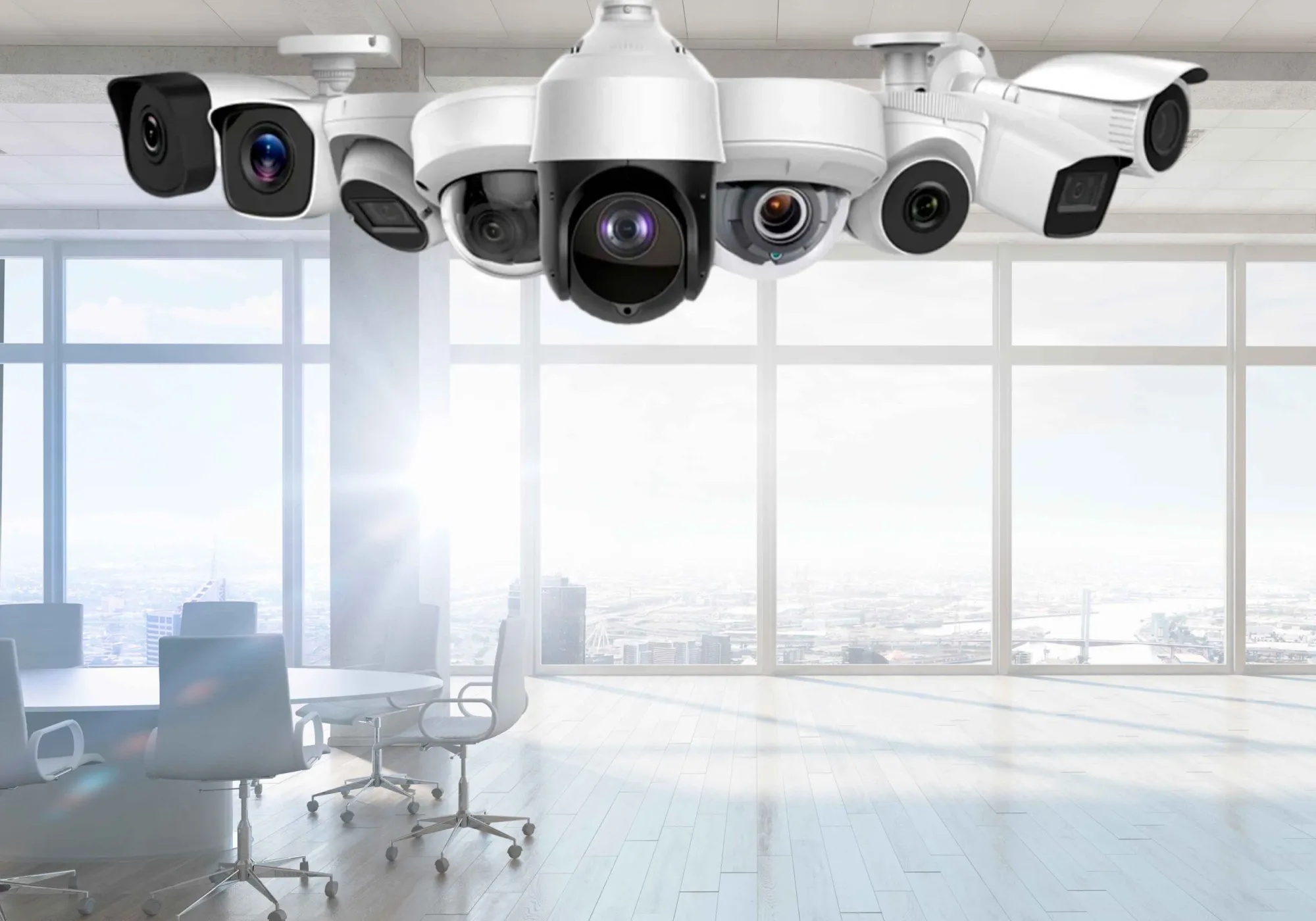
Surveillance cameras quickly became an important part of the discussion. The ability to observe key areas and review recorded footage offered significant advantages. Monitoring activity in real time also allowed faster responses when concerns arose.
During his research he encountered information about business security systmes and how integrated protection strategies were helping organizations reduce risks. The concept of combining surveillance monitoring and access control into a unified system appealed to him because it addressed multiple concerns simultaneously.
Technology alone could not eliminate every threat but it provided valuable tools for managing risk. The right systems helped create stronger protection while supporting informed decision making.
Creating a Safer Environment
After implementing several improvements Jason noticed immediate benefits. Employees felt more secure and management gained better visibility into daily operations. The workplace became more organized and confidence increased throughout the company.
Visible security measures also acted as deterrents. Individuals considering unauthorized activities often prefer easier targets with fewer protective barriers. Prevention proved far more effective than dealing with the aftermath of an incident.
Customers and visitors responded positively as well. A secure environment communicates professionalism responsibility and attention to detail. These qualities contribute to stronger relationships and long term trust.
The improvements demonstrated that security investments can support both protection and business growth. The value extended far beyond preventing losses.
Preparing for Future Challenges
Security threats continue to evolve as technology and business practices change. Canadian organizations must remain adaptable and willing to address emerging risks. Waiting until problems occur often leads to greater costs and complications.
Jason learned that effective security requires ongoing evaluation rather than one time action. Regular reviews training and system updates help ensure that protection remains aligned with current needs. Businesses that stay proactive are often better positioned to manage uncertainty.
He also realized that security is not solely the responsibility of management. Every employee contributes to creating a safer workplace. Shared awareness strengthens defenses and improves overall resilience.
The lessons he gained transformed the way he approached business operations. Security became a strategic priority rather than an afterthought.
Building Stronger Businesses Through Security

Looking back Jason often wished he had focused on security earlier. The incident that initially concerned him ultimately became an opportunity to strengthen the company and prepare for future challenges. What seemed like a minor event revealed important vulnerabilities that could have led to much larger problems.
Today many Canadian businesses are taking similar steps to improve protection and reduce risk. Companies such as Empire Security continue helping organizations implement solutions that support safety operational stability and long term success in an increasingly complex environment.
Conclusion
Canadian businesses face a wide range of security risks that extend beyond traditional concerns about theft and property damage. Unauthorized access vandalism internal vulnerabilities and information related threats all have the potential to disrupt operations and impact growth.
Understanding these challenges is the first step toward building stronger protection. By combining awareness employee engagement and modern security solutions businesses can reduce risks protect valuable assets and create safer environments for everyone involved.




























Sign in to leave a comment.