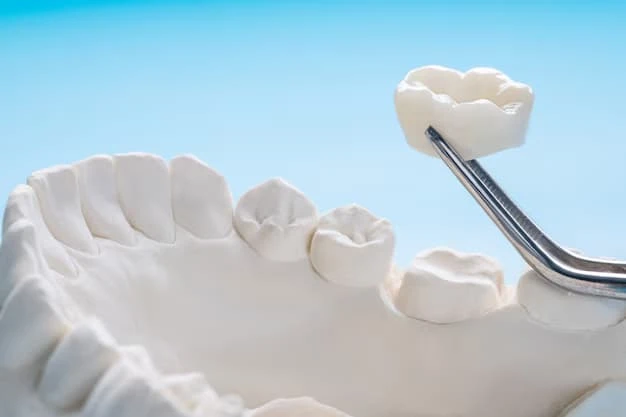

Dental crowns are one of the most common and effective restorative dental treatments available today. These durable caps are placed over damaged teeth to restore their function, shape, and appearance. While dental crowns are often associated with cosmetic procedures, they serve a crucial role in preserving the health of your teeth and preventing further damage. Knowing when you need a crown is vital for maintaining a healthy smile and avoiding more extensive dental issues down the road.
Here are the top signs you may need a crown urgently and how a dental crown near me help protect your teeth.
1. Severe Tooth Decay
When Cavities Go Beyond Repair
One of the primary reasons a dentist may recommend a crown is severe tooth decay. While fillings can treat small cavities, more extensive decay may weaken the structure of the tooth beyond what a filling can fix. In such cases, a crown is necessary to restore the tooth’s integrity and prevent it from breaking or crumbling.
If a tooth is heavily decayed and causing pain or sensitivity, a crown can cover the tooth completely, protecting it from further decay and making it functional again.
Signs of Severe Tooth Decay
- Sharp or persistent tooth pain
- Tooth sensitivity to hot or cold temperatures
- Visibly decayed or discolored tooth
- Difficulty chewing or biting
2. Cracked or Broken Teeth
When a Tooth Is in Danger of Falling Apart
Teeth can crack or break due to trauma, biting down on something hard, or even from years of wear and tear. A cracked tooth can cause significant discomfort and can worsen over time if left untreated. In some cases, the crack may extend deep into the tooth, making it more vulnerable to infection or further damage.
Crowns are ideal for protecting cracked or broken teeth. They provide a protective cover that holds the tooth together, preventing the crack from expanding and allowing the tooth to continue functioning as normal.
Signs You May Have a Cracked Tooth
- Pain when chewing or biting
- Sensitivity to temperature changes
- A visible crack or chip in the tooth
- Pain that comes and goes
3. Extensive Wear and Tear
When Your Teeth Are Worn Down
Years of chewing, grinding, or clenching can wear down the enamel of your teeth, making them weaker and more vulnerable to damage. If your teeth have become significantly worn over time, they may no longer be able to function properly without additional support. In such cases, a crown can help restore the strength and structure of your tooth.
If you grind your teeth, whether during the day or at night, you may be more prone to tooth wear. Dental crowns can protect teeth from further damage and preserve their appearance.
Signs of Worn Teeth
- Teeth appear shorter or more jagged
- Tooth sensitivity, especially when eating or drinking hot or cold foods
- Visible cracks or chips
- Pain or discomfort when chewing
4. Root Canal Treatment
Crowns as a Post-Root Canal Solution
After undergoing a root canal treatment, the affected tooth is often left fragile. Root canal therapy removes the infected pulp of the tooth, which can make the tooth more prone to breakage. To protect the tooth and restore its function, a dentist will usually recommend placing a crown over the treated tooth.
A crown helps to reinforce the tooth and prevent further issues such as fractures, while also providing a natural-looking appearance.
Signs You May Need a Crown After Root Canal
- Recent root canal treatment
- Tooth feels weak or brittle after the procedure
- The tooth appears discolored or is vulnerable to breakage
5. Large Fillings That Compromise Tooth Strength
When Fillings Can't Do It All
If you've had a large filling placed in a tooth, it might be time for a crown. Fillings are suitable for minor cavities, but they can compromise the tooth’s strength when they cover a large portion of the tooth. This can leave the tooth vulnerable to cracking or breaking under pressure.
A dental crown can provide the necessary reinforcement, helping the tooth retain its shape and function, especially when the filling covers a significant portion of the tooth.
Signs a Filling May Not Be Enough
- A large filling that makes up a substantial portion of the tooth
- Cracks or fractures near the filling
- A feeling of weakness or instability in the tooth
6. Cosmetic Imperfections
Crowns for a Better Appearance
While crowns are often used for functional reasons, they can also improve the appearance of a tooth. For individuals with severely discolored, misshapen, or damaged teeth, a crown can be a solution that provides both aesthetic and functional benefits. Dental crowns can be made to match the natural color of your teeth, giving you a beautiful and seamless smile.
If a tooth has been damaged or discolored due to injury or illness, a crown can restore its appearance and boost your confidence.
Signs You May Need a Cosmetic Crown
- Noticeable discoloration that doesn’t respond to whitening
- Misshapen or uneven teeth
- Chips, cracks, or gaps that affect your smile
7. Tooth Sensitivity That Doesn’t Go Away
When Sensitivity Signals a Bigger Problem
Tooth sensitivity is a common issue, but when it becomes chronic or severe, it may be a sign that a dental crown is necessary. Constant sensitivity to hot, cold, or sweet foods may indicate that your tooth is weakened, cracked, or suffering from significant decay.
If the sensitivity doesn’t improve with basic dental care, a crown can help address the underlying issue by covering the tooth and protecting it from further exposure.
Signs of Persistent Tooth Sensitivity
- Sensitivity that doesn’t go away or worsens over time
- Pain when chewing or drinking hot or cold beverages
- A feeling of discomfort in specific areas of the tooth
8. Pain or Discomfort That Won't Go Away
When Tooth Pain Signals a Need for Protection
Tooth pain, whether dull or sharp, is one of the most common reasons people seek dental care. However, when tooth pain is persistent, it could be a sign of a more serious issue, such as a cracked tooth, severe decay, or damage to the tooth structure.
A dental crown can help protect the tooth, alleviate pain, and prevent further damage. If the pain is caused by a structural issue, a crown can restore the tooth’s strength and relieve discomfort.
Signs of Ongoing Tooth Pain
- Persistent, sharp pain or discomfort
- Pain that worsens when chewing or touching the tooth
- Throbbing pain that lasts for hours or days
Conclusion
Dental crowns are a versatile and essential tool in modern dentistry, providing both functional and aesthetic benefits for patients with a variety of dental issues. Whether you have severe tooth decay, a cracked tooth, or are looking to address cosmetic concerns, a crown can offer the protection and support your teeth need.
If you experience any of the signs mentioned above, it’s crucial to consult with a dentist as soon as possible to determine if a crown is the right treatment for you. Protect your smile and your oral health by addressing issues early and proactively.
For personalized care and expert advice, reach out to Precious Smiles for your crown consultation. Our team is here to help restore your smile and ensure your teeth are as healthy as possible.




























Sign in to leave a comment.