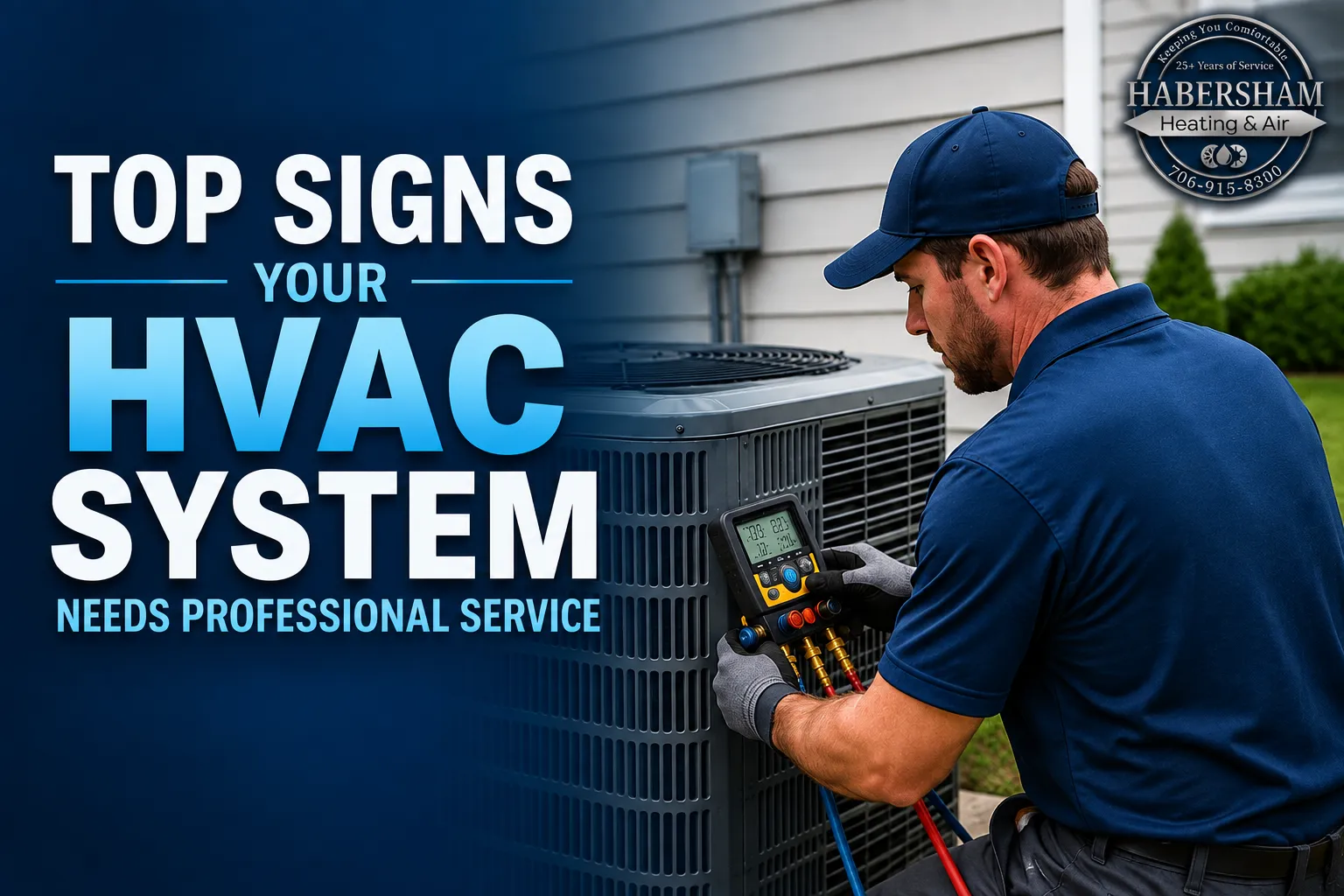

Your home's year-round comfort is mostly dependent on your HVAC system. Whether you rely on heating during colder months or air conditioning during hot weather, regular system performance is essential for indoor comfort. However, HVAC equipment can develop problems over time due to normal wear, poor maintenance, or aging components. Recognizing the warning signs early can help prevent minor issues from turning into expensive repairs.
Here are some of the most common signs that your HVAC system may need professional attention.
1. Uneven Temperatures Throughout Your Home
If certain rooms are noticeably warmer or cooler than others, your HVAC system may not be distributing conditioned air properly. Uneven temperatures can be caused by blocked vents, dirty filters, ductwork problems, thermostat issues, or an aging system.
If adjusting the thermostat does not solve the problem, a professional inspection can identify the underlying cause and help restore consistent indoor comfort.
2. Unusual Noises From the HVAC System
Most HVAC systems produce some operating noise, but sudden or unusual sounds should not be ignored. Banging, grinding, squealing, rattling, or buzzing may indicate loose components, motor problems, or electrical issues.
Addressing unusual noises early can help prevent additional damage. Professional HVAC service allows a technician to inspect the system and determine whether a component needs repair or replacement.
3. Increasing Energy Bills
An unexpected increase in energy costs may indicate that your HVAC system is working harder than necessary. Dirty filters, restricted airflow, worn components, and other performance issues can reduce efficiency and increase energy consumption.
If your energy usage has remained relatively consistent but your bills are rising, having the system inspected can help determine whether HVAC performance is contributing to the higher costs.
4. Weak or Poor Airflow
Strong and consistent airflow is important for effective heating and cooling. If the air coming from your vents feels weak or some vents have little airflow, there may be a clogged filter, blocked duct, blower problem, or another issue affecting the system.
Homeowners should replace filters according to manufacturer recommendations and keep vents unobstructed. If weak airflow continues, professional assistance may be necessary to locate and correct the problem.
5. Frequent On-and-Off Cycling
An HVAC system should normally operate in regular cycles to maintain the temperature selected on the thermostat. If it repeatedly turns on and off within short periods, the system may be experiencing short cycling.
This problem can be related to thermostat issues, restricted airflow, an incorrectly sized system, or malfunctioning components. Frequent cycling can put additional strain on the equipment and may increase energy consumption. A professional can diagnose the cause and recommend an appropriate solution.
6. Strange Odors
Unpleasant or unusual smells coming from your HVAC system can be another warning sign. Musty odors may indicate moisture or biological growth, while burning smells could point to an electrical or mechanical problem.
Do not ignore persistent odors, particularly if they appear suddenly or become stronger when the system operates. A qualified technician can inspect the equipment and determine the source.
7. Water Leaks or Excess Moisture
Water around an indoor HVAC unit should receive prompt attention. Condensation is a normal part of air conditioning operation, but visible leaks or excessive moisture can indicate a clogged condensate drain, frozen coil, or another problem.
Ignoring water-related issues can potentially result in damage to floors, walls, insulation, and nearby materials. Professional service can help identify the source before the problem becomes more serious.
8. Your Air Conditioner Is Not Cooling Properly
During warm weather, your air conditioner should be able to maintain a comfortable indoor temperature. If it runs continuously but your home still feels warm, there could be an airflow restriction, dirty component, refrigerant-related issue, or other malfunction.
Regular air conditioning service can help maintain cooling performance and identify developing problems. Scheduling maintenance before the peak cooling season can also help reduce the possibility of unexpected breakdowns.
9. Your HVAC System Is Getting Older
HVAC equipment naturally becomes less efficient as it ages. Older systems may require more frequent repairs and may struggle to provide the same level of comfort they once did.
If your system is aging and you are experiencing repeated breakdowns, increasing energy costs, or declining performance, a professional evaluation can help you determine whether continued repairs or eventual replacement is the better option.
How Regular Maintenance Can Help
Preventive maintenance is one of the best ways to keep an HVAC system operating reliably. Homeowners can take simple steps such as replacing filters, keeping outdoor units free from debris, and making sure vents are not blocked by furniture or other objects.
Professional maintenance provides a more detailed inspection of the system. A technician can check important components, identify developing problems, and evaluate overall performance. Regular air conditioning service is particularly useful before periods of heavy cooling demand.
Frequently Asked Questions
How often should I schedule HVAC service?
For most residential systems, professional maintenance once a year is a good starting point. Scheduling service before the primary heating or cooling season can help identify potential problems before the equipment is under heavy demand.
What are the main signs that an HVAC system needs service?
Common warning signs include unusual noises, weak airflow, uneven temperatures, frequent cycling, rising energy bills, strange odors, water leaks, and reduced heating or cooling performance.
How often should I get air conditioning service?
Annual professional maintenance is generally recommended for residential air conditioning systems. Having the system checked before the cooling season can help ensure it is ready for increased use.
Can HVAC maintenance help lower energy costs?
Proper maintenance can help an HVAC system operate more efficiently by addressing issues such as restricted airflow, dirty components, and developing mechanical problems. Actual energy savings vary depending on the system, condition, usage, and other factors.
Is professional service necessary if my HVAC system still works?
Yes. An HVAC system can continue operating while developing underlying problems. Professional inspections can identify potential issues early, helping homeowners address them before they lead to more significant repairs.
Conclusion
Your HVAC system often provides warning signs before a major breakdown occurs. Uneven temperatures, unusual noises, rising energy bills, weak airflow, frequent cycling, strange odors, moisture, poor cooling, and aging equipment are all reasons to pay closer attention to system performance.
Taking action early can help maintain indoor comfort, support energy efficiency, and potentially reduce the risk of costly repairs. For professional assistance with HVAC maintenance, repairs, and cooling needs, Habersham Heating & Air can help keep your system operating reliably throughout the year. When an issue involves electrical, refrigerant, or mechanical components, it is best to have a qualified professional diagnose the problem rather than attempting a complex repair yourself.






















Sign in to leave a comment.