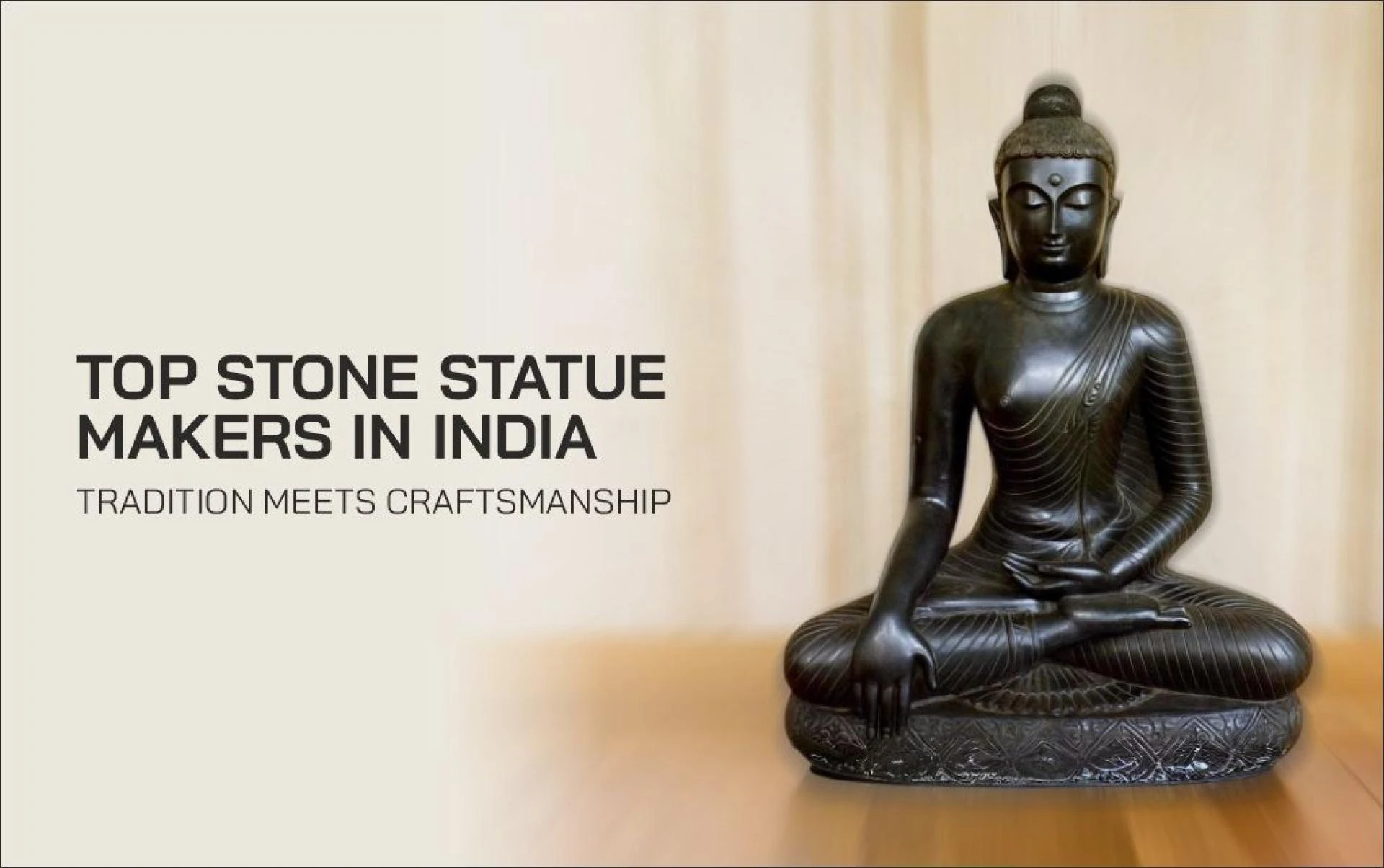

India’s cultural and artistic heritage is deeply rooted in the art of stone sculpting. From the ancient temples of Odisha and Khajuraho to modern-day spiritual centers, stone statues have always been more than just artistic expressions — they are embodiments of faith, history, and timeless tradition.
Even today, skilled stone statue makers in India carry forward this legacy. Using traditional hand-carving techniques combined with contemporary design sensibilities, these artisans craft statues of gods, goddesses, historical figures, and decorative sculptures that are admired worldwide.
In this article, we’ll explore the journey of stone statue makers, their techniques, key regions known for stone carving, and the role of artisans in keeping this ancient craft alive.
The Legacy of Stone Sculpting in India
Stone carving in India dates back thousands of years. The rock-cut caves of Ajanta and Ellora, the majestic temples of Odisha such as Konark and Puri, and the intricate sculptures of Khajuraho all stand as testaments to India’s mastery over stone.
For centuries, stone murti makers have played an integral role in temple architecture, ritual practices, and cultural preservation. Unlike machine-made statues, handcrafted stone idols carry spiritual depth and artistic detail that reflect the devotion of their creators.
Materials Used by Stone Statue Makers
While many types of stones are used in sculpting, a few stand out for their durability and elegance:
- Sandstone: Popular for temple walls and outdoor statues due to its strength.
- Marble: Preferred for its smooth finish and divine appeal, especially in god idols.
- Granite: Known for longevity, often used in large-scale sculptures.
- Soapstone: Softer and easier to carve, used for intricate detailing.
Each type of stone offers unique qualities, allowing artisans to select the right material depending on the purpose — whether it’s for a temple idol, garden statue, or cultural sculpture.
Regional Hubs of Stone Statue Makers in India
1. Odisha – The Land of Timeless Sculptures
Odisha is globally recognized for its heritage in stone carving. The temples of Konark, Bhubaneswar, and Puri are prime examples of the region’s unmatched artistry. Even today, artisans from Odisha continue to produce stunning stone god statues, Buddha idols, and decorative sculptures that are sought after across the world.
Among them, OdishaKraft stands out for preserving this cultural tradition while offering authentic handcrafted statues that embody spirituality and craftsmanship.
2. Rajasthan – Marble and Sandstone Excellence
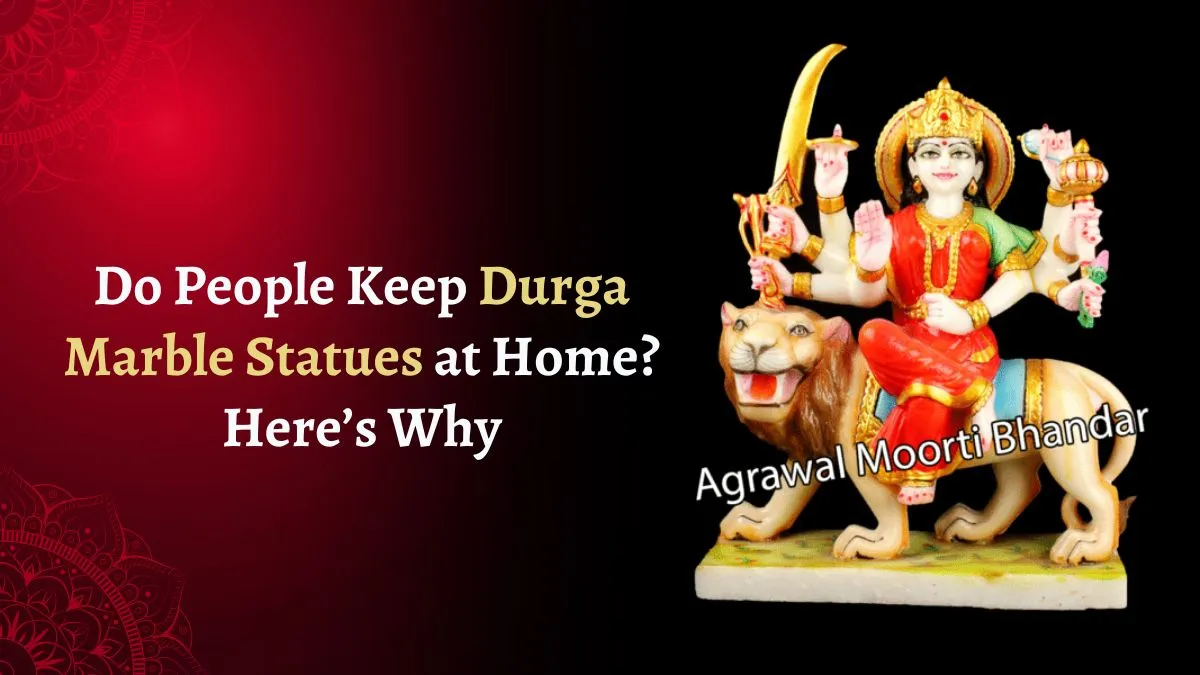
Rajasthan, with cities like Jaipur and Makrana, is a major hub for marble murti makers. The state is famous for its white marble, used extensively in crafting idols of Lord Krishna, Ganesha, and other deities.
3. Tamil Nadu – Temple Sculpture Specialists
Tamil Nadu’s stone artisans are known for their intricate granite statues used in Dravidian temples. From Nataraja idols to massive temple guardians, their sculptures carry immense cultural significance.
4. Uttar Pradesh – Mathura and Varanasi Traditions
Regions like Mathura and Varanasi have been centers of stone carving for centuries, specializing in idols of Krishna, Vishnu, and other Hindu gods.
5. Karnataka – Soapstone Artisans
Karnataka’s artisans often work with soapstone, creating delicate carvings and miniature idols that highlight precision and detail.
Techniques Used by Stone Statue Makers
- Hand-Carving: Traditional chiseling using hammer and chisel, often taking weeks or months to complete a single idol.
- Polishing: Smoothening the surface to enhance the natural shine of the stone.
- Engraving & Etching: Adding fine details to ornaments, attire, and facial features.
- Modern Tools: Some artisans now combine traditional methods with modern machines for efficiency without compromising artistry.
The Role of Stone Statues in Modern Spaces
While stone idols have always been central to temples, their role has expanded in today’s world. Many people now use stone sculptures for:
- Home temples – Marble or sandstone idols for daily worship.
- Garden décor – Buddha statues and animal figurines for outdoor spaces.
- Interior design – Decorative stone carvings for aesthetic appeal.
- Cultural collections – Collectors and museums often preserve handcrafted idols as heritage artifacts.
This rising demand has encouraged stone statue manufacturers and suppliers to innovate while staying true to traditional methods.
OdishaKraft – Keeping the Tradition Alive
In the world of stone statue making, few names resonate as strongly as OdishaKraft. Rooted in Odisha’s sculpting heritage, OdishaKraft’s artisans continue to create authentic idols and sculptures with remarkable detail. From stone garden statues to traditional murtis, their creations are a blend of spirituality, heritage, and craftsmanship.
By promoting local artisans and using age-old techniques, OdishaKraft plays a vital role in ensuring that India’s sculptural legacy remains alive for generations to come.
FAQs on Stone Statue Makers
Q1. Which state is most famous for stone statue makers in India?
Odisha and Rajasthan are most renowned, though Tamil Nadu and Uttar Pradesh are also known for their sculpting traditions.
Q2. What makes handcrafted stone idols unique?
Handmade statues carry cultural depth, fine detailing, and spiritual energy that machine-made products cannot replicate.
Q3. Can I customize a stone statue?
Yes, many stone murti makers offer customization in size, design, and stone type based on specific requirements.
Q4. How long does it take to make a stone statue?
Depending on size and complexity, it can take anywhere from a few weeks to several months.
Q5. Why is marble so popular for god statues?
Marble is considered pure and divine in Indian culture. Its smooth finish allows artisans to carve intricate details, making it a favorite for temples and homes.
Conclusion
India’s stone statue makers are the custodians of an ancient legacy, keeping alive a craft that has defined the country’s spiritual and artistic landscape for centuries. From the temples of Odisha to the marble workshops of Rajasthan, each artisan contributes to a tradition that blends devotion with artistry.
In this evolving world, authentic names like OdishaKraft ensure that the timeless beauty of handcrafted stone idols continues to inspire faith, culture, and admiration worldwide.





















Sign in to leave a comment.