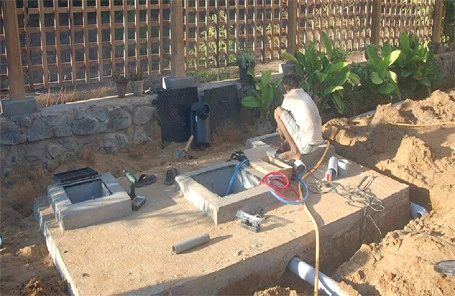

Grey water, the wastewater generated from showers, sinks, washing machines, and other non-toilet sources, makes up a significant portion of household and commercial wastewater. Unlike black water, grey water contains fewer pathogens and organic matter, making it easier and more cost-effective to treat. With rising concerns over water scarcity, sustainability, and resource management, modern grey water treatment systems are becoming increasingly vital. They not only reduce water consumption but also enable recycling for irrigation, toilet flushing, and even industrial applications.
In this blog, we’ll explore the top technologies that power today’s advanced grey water treatment systems, their working principles, and the benefits they provide.
- Membrane Bioreactor (MBR) Technology
Membrane Bioreactor technology combines conventional biological treatment with membrane filtration. This dual approach makes MBR one of the most efficient and reliable technologies for grey water treatment.
How it works:
Microorganisms break down organic matter in the biological stage.
The treated water then passes through microfiltration or ultrafiltration membranes, which act as physical barriers against suspended solids, bacteria, and even some viruses.
Benefits:
Produces high-quality treated water suitable for reuse.
Compact and space-saving design, ideal for urban residential and commercial complexes.
Lower sludge production compared to conventional systems.
2. Moving Bed Biofilm Reactor (MBBR)
MBBR technology uses small plastic media within an aeration tank to provide surface area for biofilm growth. The biofilm helps break down organic contaminants in grey water.
How it works:
Grey water enters an aerated tank filled with specially designed carriers.
Microorganisms attach themselves to these carriers, creating a biofilm.
As water circulates, the biofilm degrades organic pollutants efficiently.
Benefits:
High treatment efficiency in a small footprint.
Easy to scale up or retrofit in existing plants.
Robust and stable process, even under varying loads.
3. Sequencing Batch Reactor (SBR)
The Sequencing Batch Reactor is a flexible and efficient system widely adopted for decentralized grey water treatment. It operates in cycles, making it easier to manage and control.
How it works:
Grey water is fed into a single reactor tank.
Biological treatment and sedimentation occur in defined cycles.
The treated water is discharged after settling, leaving behind sludge at the bottom.
Benefits:
High-quality effluent with reduced turbidity.
Effective nitrogen and phosphorus removal.
Cost-effective for small- to medium-scale applications.
4. Constructed Wetlands
Constructed wetlands mimic natural processes for treating grey water, making them an eco-friendly solution. They are particularly popular in rural areas, resorts, and eco-housing projects.
How it works:
Grey water passes through a bed of gravel, sand, and plants.
Plants and microorganisms break down pollutants, while the substrate filters suspended solids.
Benefits:
Low-cost, sustainable, and energy-efficient.
Can serve as aesthetic landscape features.
Minimal maintenance once established.
5. Electrocoagulation (EC)
Electrocoagulation is an advanced physicochemical treatment method that uses electric current to destabilize and remove contaminants from grey water.
How it works:
An electric current is passed through water using metal electrodes.
This causes coagulation of suspended particles and contaminants.
The impurities either float to the surface or settle at the bottom for removal.
Benefits:
Effective in removing oils, grease, and surfactants (common in laundry water).
Reduces chemical usage compared to conventional coagulation.
Produces clear, reusable water.
6. Ozonation and Advanced Oxidation Processes (AOPs)
Ozone and other advanced oxidation processes are increasingly used to disinfect and degrade persistent organic pollutants in grey water.
How it works:
Ozone or hydroxyl radicals oxidize organic contaminants and pathogens.
This results in purified water with minimal chemical residues.
Benefits:
High disinfection efficiency.
Removes odor, color, and difficult-to-treat compounds.
Environmentally friendly, as ozone decomposes into oxygen.
7. Sand and Activated Carbon Filtration
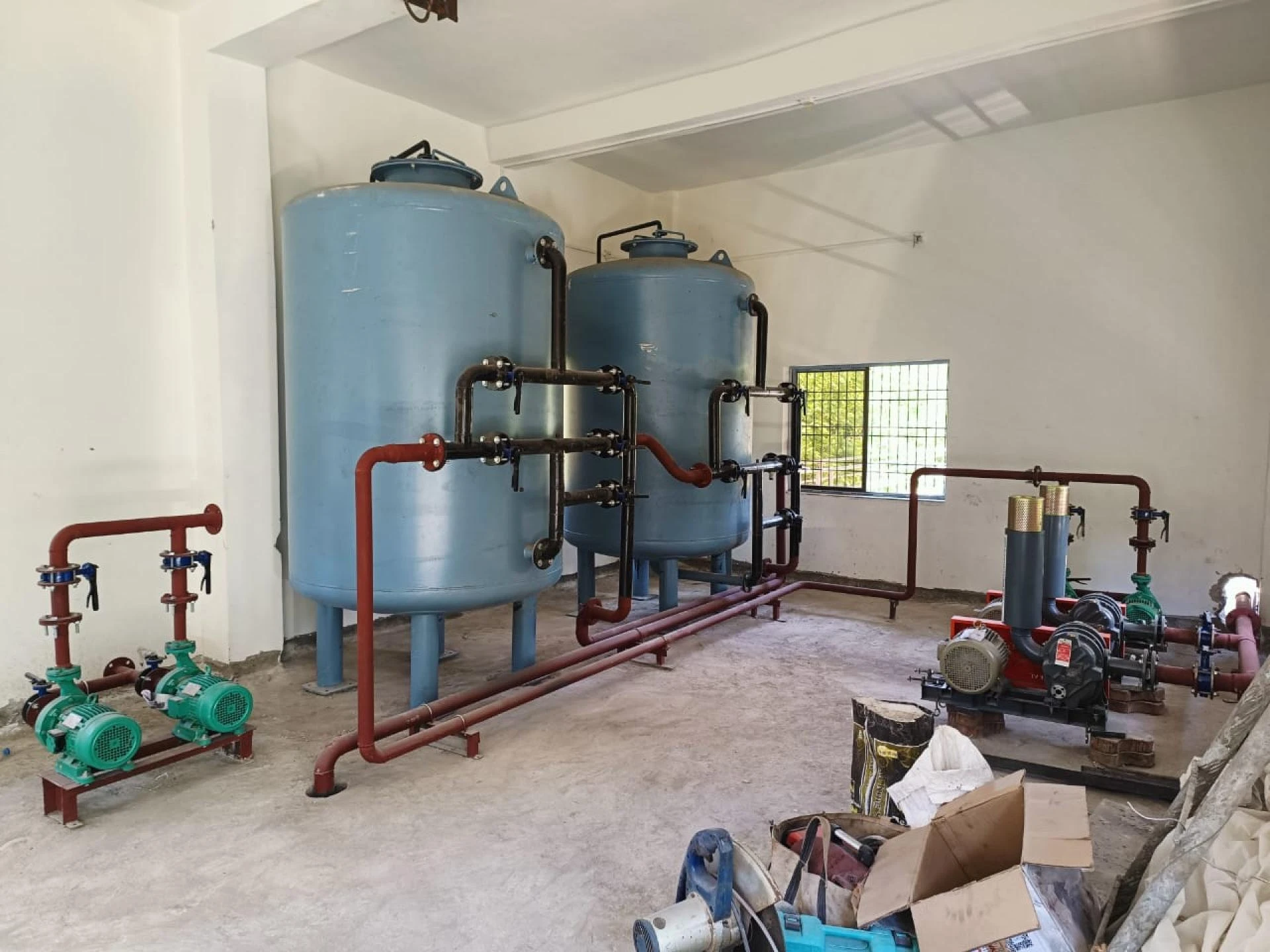
Filtration is a simple yet critical step in modern grey water systems, often used as a polishing process after biological treatment.
How it works:
Sand filters remove suspended solids.
Activated carbon filters adsorb organic matter, chemicals, and odors.
Benefits:
Enhances water clarity and quality.
Cost-effective and easy to maintain.
Improves the efficiency of downstream disinfection systems.
8. UV Disinfection
Ultraviolet disinfection is a non-chemical method widely applied as a final step in grey water treatment.
How it works:
Treated grey water passes through UV lamps.
The UV radiation damages the DNA of bacteria, viruses, and pathogens, making them inactive.
Benefits:
Instant and chemical-free disinfection.
Compact design suitable for decentralized setups.
No harmful by-products generated.
Benefits of Using Modern Grey Water Treatment Technologies
Adopting advanced technologies in grey water treatment systems provides several key advantages:
Water Conservation: Reuse of treated water for non-potable purposes reduces dependence on freshwater sources.
Cost Savings: Lower water bills and reduced sewage disposal costs.
Environmental Sustainability: Minimizes wastewater discharge and supports groundwater recharge.
Regulatory Compliance: Helps organizations meet stringent water reuse and discharge standards.
Improved Hygiene and Aesthetics: Produces clean, odor-free, and clear water for reuse.
Applications of Treated Grey Water
Residential: Toilet flushing, garden irrigation, car washing.
Commercial Buildings: Cooling towers, landscaping, cleaning.
Industries: Process water, washing, and utility use.
Agriculture: Irrigation for crops and horticulture.
Final Thoughts
As water scarcity becomes a pressing global issue, modern grey water treatment technologies offer sustainable solutions to bridge the gap between demand and supply. From membrane-based systems like MBR to eco-friendly methods like constructed wetlands, each technology has unique benefits tailored to different applications.
By investing in advanced grey water treatment systems, households, industries, and communities can contribute to water conservation, reduce costs, and promote environmental sustainability. Leaders in water treatment solutions, such as Cleantech Water, are driving innovation in this field, offering reliable and efficient systems that empower organizations and individuals to embrace water reuse responsibly.

Sign in to leave a comment.