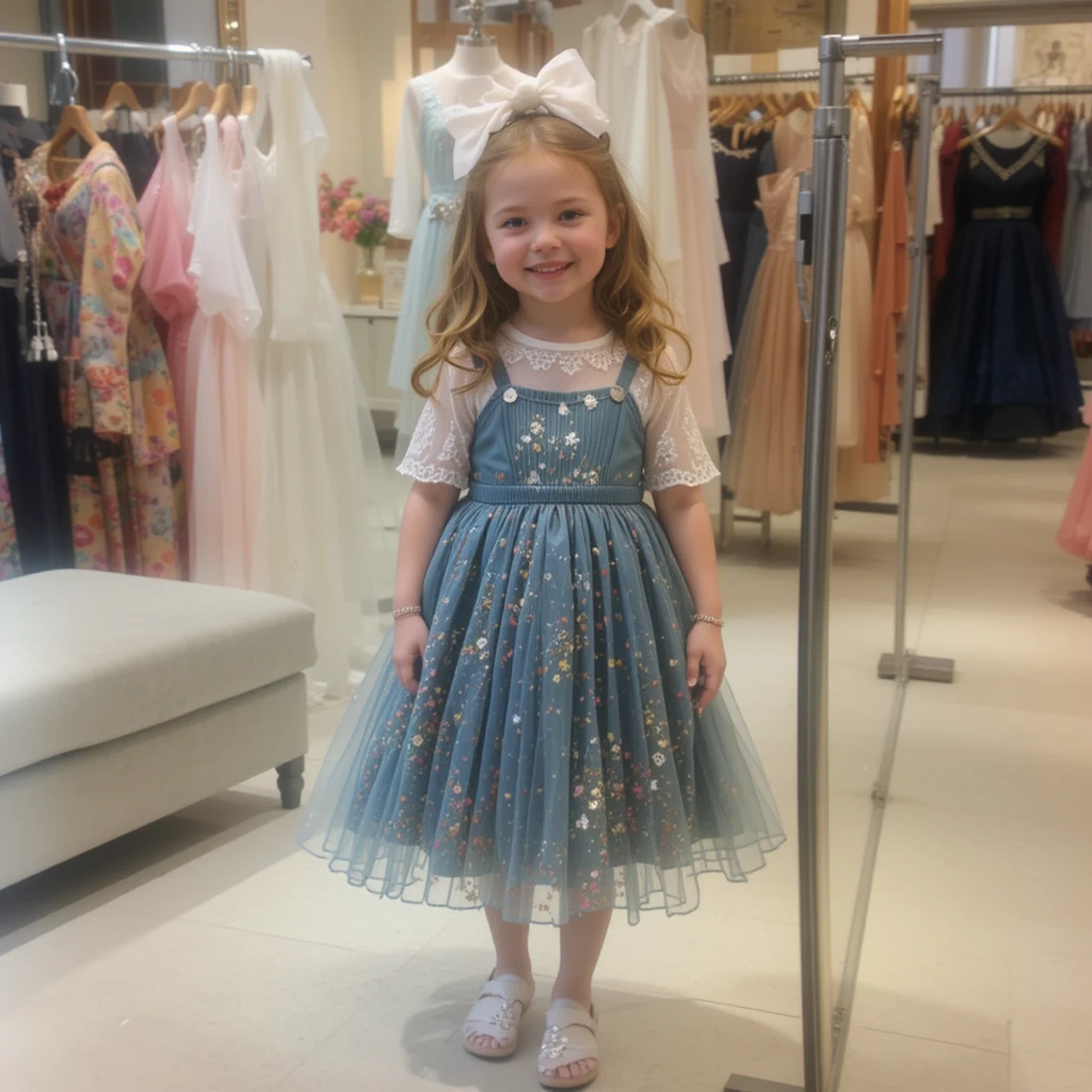
If you run a kids’ clothing boutique or are thinking about starting one, you probably know how important it is to find the right clothes at the right price. Sourcing children’s boutique clothing from reliable wholesale suppliers can make or break your business. But with so many options online, how do you know where to start?
In this blog, we’ll walk you through simple and effective tips for finding the best children’s wholesale boutique clothing online. Whether you're brand new or already running your store, these tips will help you save time, avoid mistakes, and choose the best clothes for your customers.
1. Know Your Niche Before You Buy
Before you start looking for suppliers, take some time to clearly understand your boutique’s style and audience.
Are you focusing on:
- Trendy and modern kids’ clothes?
- Organic and eco-friendly baby outfits?
- Holiday-themed children’s wear?
- Matching sibling sets or special occasion dresses?
When you know what your target customers want, you can easily filter out suppliers who don’t match your style. This will also help you stay consistent with your brand identity, which is important for building trust with your buyers.
2. Research and Shortlist Trusted Wholesale Suppliers
There are hundreds of wholesale children’s clothing suppliers online, but not all of them are reliable or high-quality. Do your homework and make a shortlist of 5–10 suppliers to start comparing.
Here’s what to look for:
- Clear product images and descriptions
- Customer reviews and ratings
- Contact details and active support
- Return and exchange policies
- Years in business
Some well-known platforms for kids’ boutique clothing wholesale include:
- FashionGo
- Handshake
- OrangeShine
- KidsBlanks by Zoe
- Faire
You can also join Facebook groups or online communities for boutique owners. Many sellers share honest reviews and supplier recommendations there.
3. Start Small with Samples
Don’t buy in bulk right away. Most good suppliers will let you order sample pieces so you can check the quality, fabric, stitching, and sizing before making a big purchase.
Here’s what to look for in your samples:
- Are the clothes soft and comfortable?
- Is the stitching neat and durable?
- Are the sizes true to measurement?
- Are the colors and prints vibrant?
Testing samples helps you avoid poor-quality products and unhappy customers later.
4. Understand Minimum Order Quantities (MOQs)
Many wholesale suppliers have a Minimum Order Quantity (MOQ) – this is the smallest number of units you must buy. Some MOQs are low (like 5–10 pieces), while others require you to order 50 or more.
If you’re just starting out, try to find suppliers with low MOQs or those who offer pre-packed bundles. This way, you can test more styles without risking a lot of money.
5. Check Safety and Compliance Standards
When you’re selling clothes for babies and kids, safety is a big deal. Make sure the clothes meet the safety rules in your country. For example:
- In the U.S., kids’ clothing must follow CPSIA safety guidelines.
- There are rules about flammability, choking hazards, and labeling.
Ask your supplier:
- Are the clothes tested for safety?
- Are they CPSIA compliant or certified?
- Do they provide documentation if requested?
Don’t skip this step—it protects your customers and your business.
6. Watch for Fashion Trends in Kidswear
Fashion trends change quickly—even for kids! Parents love stylish, Instagram-ready outfits for their little ones.
To stay ahead, keep an eye on:
- Pinterest and Instagram kids’ fashion hashtags
- TikTok trends in children’s clothing
- Forecast tools like WGSN, Trend Bible, or even Etsy’s trend reports
Look for suppliers who update their collections regularly with seasonal and trendy styles.
7. Compare Pricing and Profit Margins
Your profit depends on how much you pay for your stock. Compare prices between multiple suppliers to make sure you’re getting a good deal. But don’t go for the cheapest option—quality matters.
Ask yourself:
- How much does each item cost, including shipping?
- How much can I reasonably sell it for?
- Does this give me enough profit margin?
Also, look out for hidden fees like customs charges or extra taxes if you're importing from outside your country.
8. Choose Suppliers with Reliable Shipping
One of the biggest issues boutique owners face is delayed shipping or lost packages. Always ask suppliers about:
- Shipping times
- Tracking information
- Return policies for damaged items
- Where the items ship from (local or overseas)
Suppliers with U.S.-based or regionally located warehouses often ship faster than international ones.
9. Build Long-Term Relationships
Treat your suppliers like business partners. When you’re polite, reliable, and consistent with your orders, they’re more likely to:
- Give you early access to new arrivals
- Offer better pricing
- Provide better support if issues come up
Good communication can go a long way in building strong relationships with your vendors.
10. Consider Dropshipping Options (If You’re Just Starting Out)
If you’re low on storage space or don’t want to invest in bulk orders just yet, dropshipping can be a great option. This means the supplier ships products directly to your customer.
Look for kidswear dropshipping platforms like:
- Trendsi
- Spocket
- Modalyst
While dropshipping has lower risks, the profit margin may also be smaller. Make sure your dropshipping supplier is fast, reliable, and offers branded packaging if possible.
11. Use Technology to Stay Organized

Managing multiple suppliers and styles can be confusing. Use simple tools to stay on track:
- Inventory tools like Zoho Inventory or QuickBooks Commerce
- Product spreadsheet templates
- Supplier contact sheets
- Shopify apps that connect directly to suppliers
Staying organized saves time and helps you manage restocks more efficiently.
12. Learn from Others in the Industry
Lastly, connect with other boutique owners. Join online communities and groups on Facebook, Reddit, or LinkedIn. You can learn:
- Which suppliers are trustworthy
- Which items are selling well
- What tools others are using
Also, keep reading blogs and resources like this one to stay informed.
Need Help Getting Started?
If you're ready to explore trusted suppliers, check out this wholesale children clothing marketplace for various styles, materials, and price points.
Final Thoughts
Sourcing children's wholesale boutique clothing online doesn't have to be stressful or confusing. With the right planning and research, you can find trusted suppliers that offer high-quality, stylish clothes at great prices. Start small, focus on quality, and build strong relationships with suppliers. Over time, your boutique will grow with happy customers and consistent sales.
























Sign in to leave a comment.