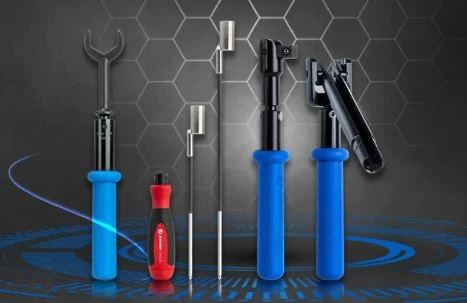

When it comes to fastening bolts, nuts, and connectors, accuracy is everything. Too much tightening can damage components, while too little can compromise safety and performance. This is where torque wrenches come in reliable tools designed to apply a specific amount of force, ensuring that connections are secure, safe, and long lasting.
Whether you are working in automotive repair, telecommunications, construction, or electrical installations, a torque wrench is an essential part of your toolkit. In this article, we will break down what torque wrenches are, their types, uses, and why professionals prefer them over regular wrenches.
What is a Torque Wrench?
A torque wrench is a hand tool used to apply a precise amount of torque to a fastener, such as a bolt or nut. Unlike standard wrenches, it allows you to set a torque value, ensuring you don’t overtighten or undertighten.
Torque is measured in Newton meters (Nm) or inch pounds (in-lb), and different jobs require different torque levels. For example:
- A car engine bolt may need 80 Nm.
- A fiber optic connector may require just 10–12 in-lb.
Without the correct torque, there is always a risk of equipment failure or safety hazards.
Why Torque Wrenches Matter
- Accuracy: Ensures bolts are tightened to manufacturer’s specifications.
- Safety: Prevents accidents caused by loose or overtightened fasteners.
- Durability: Protects tools, parts, and machinery from wear and tear.
- Compliance: Many industries (automotive, aerospace, telecom) require specific torque standards.
In short, torque wrenches are not just tools, they are quality control instruments.
Types of Torque Wrenches
Torque wrenches come in several designs, each built for a specific type of work. Let’s look at the most common ones,
1. Click Type Torque Wrench
- The most widely used design.
- Makes a clicking sound when the set torque is reached.
- Great for general mechanical and automotive use.
2. Beam Torque Wrench
- Uses a calibrated scale and pointer.
- Simple, durable, and cost effective.
- Often used in workshops for less frequent torque checks.
3. Digital (Electronic) Torque Wrench
- Displays torque value on a digital screen.
- Offers high accuracy with memory storage.
- Perfect for advanced engineering and technical projects.
4. Angle Torque Wrench
- Measures torque and angle rotation.
- Ideal for applications where torque plus an extra degree of rotation is needed.
- Common in automotive and telecom installations.
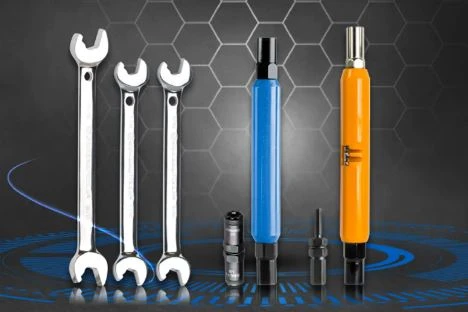
5. Coaxial cable wrenches
- Attachments designed to work with torque tools.
- Provide extra grip and flexibility.
- Useful in electrical, telecom, and mechanical setups.
Where Are Torque Wrenches Used?
Torque wrenches have applications in almost every industry. Here are some common areas:
- Automotive: Tightening engine parts, wheel nuts, and suspension components.
- Telecommunications: Securing fiber optic connectors and coax torque wrench cables.
- Electrical Work: Ensuring terminals and busbars are tightened correctly.
- Construction: Assembling structural bolts with precise torque.
- Aerospace: Following strict safety and torque requirements for aircraft assembly.
Essentially, wherever fasteners are used, torque wrenches play a critical role.
Best Practices for Using a Torque Wrench
To get the most out of your torque wrench, follow these simple rules
- Set the Right Torque Value: Always follow the manufacturer’s instructions.
- Use Steady Pressure: Avoid sudden jerks while tightening.
- Reset After Use: Set click-type wrenches to zero after use to maintain calibration.
- Store Properly: Keep in a clean, dry case to protect accuracy.
- Regular Calibration: Get your wrench calibrated periodically to ensure accuracy.
By following these practices, your tool will stay reliable for years.
Choosing the Right Torque Wrench
When selecting a torque wrench, consider
- Torque Range: Ensure it covers the values needed for your work.
- Durability: Look for strong, heat-treated steel construction.
- Grip & Comfort: Ergonomic handles reduce fatigue.
- Accuracy: Go for tools tested and certified for precision.
If you are working in telecom or electrical fields, an angle torque wrench or torque wrench socket is often the best choice, as they meet industry specific requirements.
Conclusion
Torque wrenches may look like simple hand tools, but their impact on safety, accuracy, and performance is huge. From cars and aircraft to fiber optic connections and electrical systems, they ensure every fastener is tightened just right.
If you want to invest in torque wrenches designed for precision, durability, and professional use, Jonard Tools offers a complete range of solutions.
Explore our collection of Torque Wrenches today and make every connection secure, accurate, and reliable.

























Sign in to leave a comment.