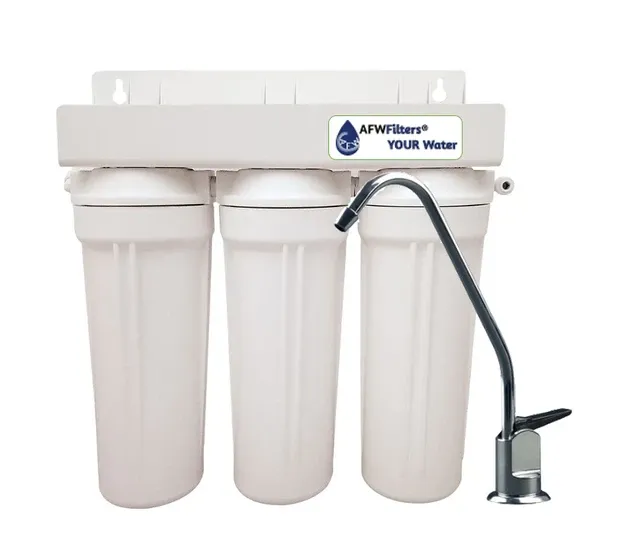

Water quality plays a major role in both health and household efficiency. Many homeowners notice issues like unusual taste, mineral buildup, cloudy water, or appliance scaling, but they are often unsure whether the problem is related to water hardness or high TDS levels. Understanding the difference between total water hardness and total dissolved solids TDS in drinking water can help you make better decisions about filtration, treatment, and overall water safety.
Although these terms are commonly used together, they measure different aspects of water quality. Knowing how they affect your household can help you choose the right drinking water systems and improve long-term water performance.
What Are Total Dissolved Solids (TDS) in Drinking Water?
TDS (Total Dissolved Solids) – These are the various dissolved substances that are present in water. Some of these can be minerals, salts, metals, or organic material that naturally occur within water sources, such as through soil, pipes, or the environment.
The TDS (total dissolved solids) content of drinking water is typically a general measure of water quality. High TDS can cause the taste, odor, and clarity of water, but some dissolved minerals are harmless and beneficial.
Some of the most frequent causes of TDS are:
- Calcium
- Magnesium
- Sodium
- Chlorides
- Sulfates
While a high TDS doesn't necessarily signal water quality issues, it may be a sign of increased mineral or contaminant levels that warrant more detailed analysis via adequate drinking water testing.
Understanding Total Water Hardness
Water hardness, on the other hand, indicates the levels of calcium and magnesium minerals in water. This occurs naturally due to the absorption of such minerals by groundwater as it passes through rocks and soils.
Hardness of water constitutes one of the most prevalent domestic water problems and causes:
- Scaling in pipes and appliances
- Decreased effectiveness of soap
- Stains on glassware and utensils
- Increased cost of maintaining water heaters and plumbing systems
Unlike Total Dissolved Solids (TDS), total hardness in water is concerned with mineral content that affects appliance performance.
Total Water Hardness vs TDS: Key Differences Explained
Even though both parameters pertain to water quality, they fulfill different functions. The TDS indicator refers to the total concentration of dissolved elements in the water, whereas water hardness refers only to calcium and magnesium levels.
Thus, the water may possess:
• High TDS level with low hardness;
• High hardness and moderately high TDS level; or
• High TDS and hardness levels at the same time.
For instance, even in the process of water softening, the presence of sodium ions dissolved in water will result in TDS indicators despite the low levels of hardness.
The difference between TDS and water quality is quite significant since addressing the problems associated with these indicators will require the use of completely different methods.
How Drinking Water Testing Helps Measure Water Quality
Drinking water testing will be the most effective means by which one can know what is contained in your water supply in the house. Testing will enable one to know the levels of hardness, TDS, and minerals present, in addition to other contaminants that might influence safety or performance.
A popular means of monitoring TDS level in the water is through the use of a total dissolved solids meter.
Testing can also lead one to know the presence of:
- Heavy metals
- Bacteria
- Nitrates
- Chemicals
- pH
This is particularly relevant for people who get their water from private wells and older plumbing systems.
Choosing the Right Drinking Water Systems for TDS and Hard Water
The choice of the right solution will be determined by the problems detected when conducting the water test. Drinking water solutions vary depending on the problem that the solution is meant to solve.
Some possible solutions include:
- Water softener for hardness removal
- Reverse osmosis for TDS removal
- Carbon filters for improving taste and odor
- Household water filters
Proper selection of the water solution will result in better-tasting water and even increase the lifespan of your appliances.
Improve Your Drinking Water Quality Today
Understanding the difference between total water hardness and total dissolved solids TDS in drinking water is an important step toward maintaining healthier and more efficient water systems at home. While both measurements impact water quality, they require different testing methods and treatment solutions.
If you are experiencing hard water problems or concerns related to TDS and water quality, professional drinking water testing can help identify the best solution for your household. Evaluating your water quality today can help you choose the right filtration and treatment systems for cleaner, safer, and better-performing water.
Schedule a Professional Water Quality Assessment
Whether you need a reliable total dissolved solids meter, advanced filtration solutions, or customized drinking water systems, taking action early can help protect your plumbing, appliances, and overall water quality.
Contact a water treatment professional today to evaluate your household water and find the right solution for safer, cleaner, and better-tasting drinking water.



























Sign in to leave a comment.