
In the past, trading in the stock market was often considered a playground for the elite—professional brokers, institutional investors, and wealthy individuals with insider access and high-level financial education. But times have changed. Thanks to the rapid growth of online platforms, mobile apps, and widespread access to financial education, the stock market has become more accessible than ever.
Today, anyone with an internet connection and a willingness to learn can participate in the world of trading. However, diving into trading without proper knowledge can be risky and overwhelming. That’s where trading courses come in. Whether you're a curious beginner or someone aiming to become a full-time trader, enrolling in a trading course can be one of the smartest moves you make on your financial journey.
In this article, we’ll explore what trading courses are, what they typically cover, who should consider taking them, the difference between online and offline learning, and how to choose the best course based on your goals.
What Are Trading Courses?
Trading courses are structured learning programs designed to teach individuals how to buy and sell financial instruments such as stocks, currencies, commodities, and cryptocurrencies. These courses come in a variety of formats—online self-paced modules, live webinars, offline workshops, or even one-on-one mentoring sessions.
Depending on the course level and focus, they can range from introductory lessons on the basics of trading to in-depth tutorials on professional-level strategies. The key goal is to bridge the knowledge gap and help learners develop real-world skills that go beyond just theory.
Most quality trading courses emphasize hands-on experience, technical analysis, risk management, market psychology, and strategy development. By combining theory with practical tools, these courses help learners navigate the complexities of the market with greater confidence and discipline.
Why Are Trading Courses Important?
Trading can be rewarding, but it's also full of pitfalls. One wrong decision or lack of understanding can lead to significant losses. While there’s an abundance of free content available online—videos, blogs, and forums—random learning often leads to confusion and inconsistent results.
Here’s why enrolling in a trading course can make a major difference:
1. Structured Learning Path: A good trading course follows a logical sequence, starting from the basics and gradually advancing to more complex topics. It ensures that you build a solid foundation instead of jumping from one random resource to another.
2. Understanding Market Behavior: Financial markets are influenced by various factors—economic data, investor sentiment, global news, and more. Courses help you understand how these forces interact, giving you insights into how and why markets move.
3. Strategy Building: Successful trading requires more than just guesswork. You need clear rules for entry, exit, and trade management. Trading courses introduce proven strategies that can be adapted based on your style and goals.
4. Risk and Money Management: Protecting your capital is as important as making profits. Courses teach critical techniques like setting stop-loss orders, determining position sizes, and managing emotions during market volatility.
5. Live Practice and Simulations: Many advanced trading courses offer practice in demo environments or simulated markets. This allows learners to apply what they've learned without risking real money—a crucial step before trading live.
What Do Trading Courses Typically Cover?
Though each course may differ in content and style, most trading courses include the following essential topics:
1. Introduction to Financial Markets: Learn about different markets—stocks, forex, commodities, and cryptocurrencies. Understand how exchanges operate, who the participants are, and how orders are placed.
2. Types of Trading Styles: Explore various trading methods such as:
Intraday Trading – Buying and selling within the same day.
Position Trading – Long-term trading based on macro trends. Etc
Each style has its pros and cons, and a good course helps you identify the one that suits your personality and lifestyle.
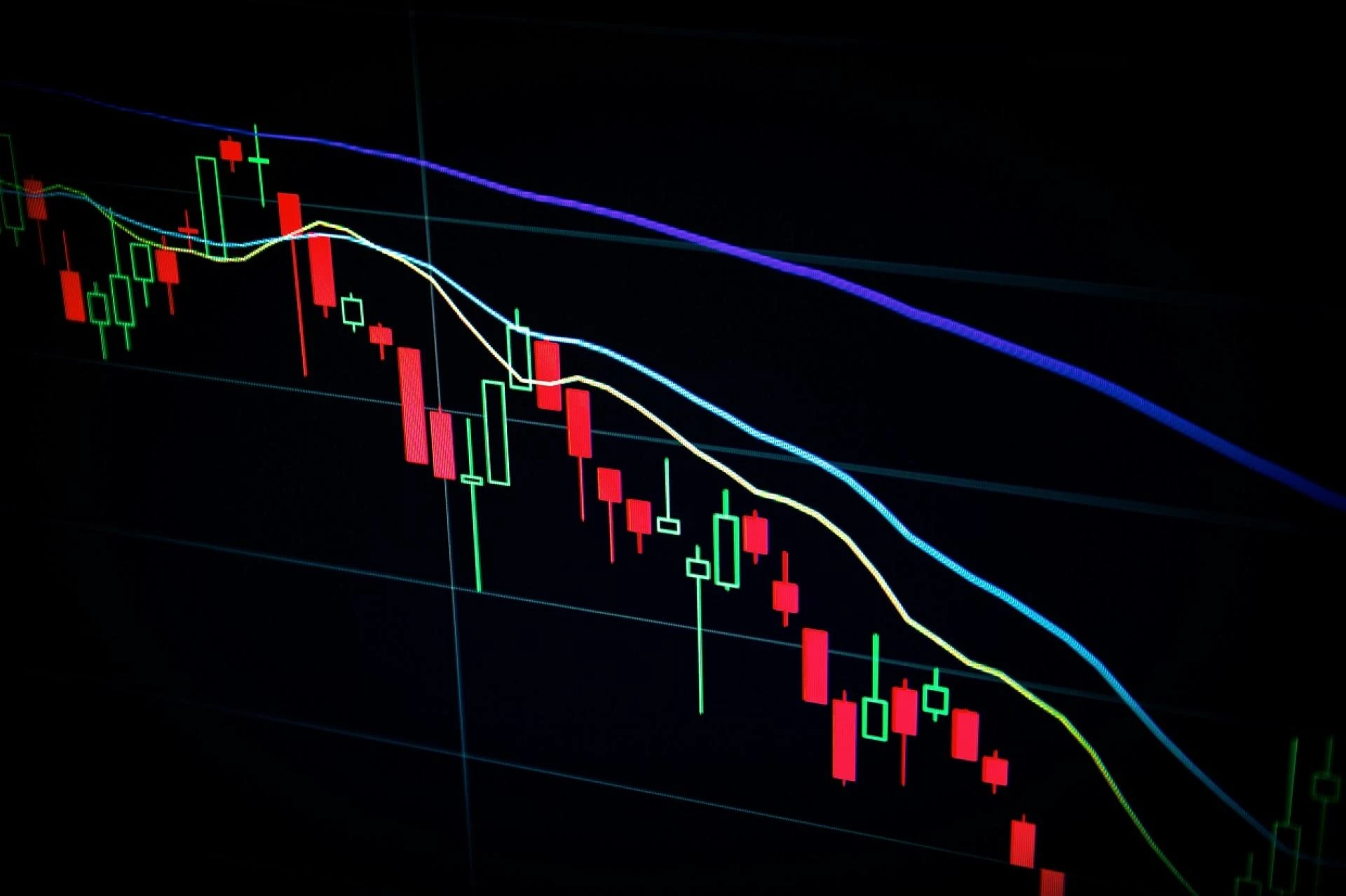
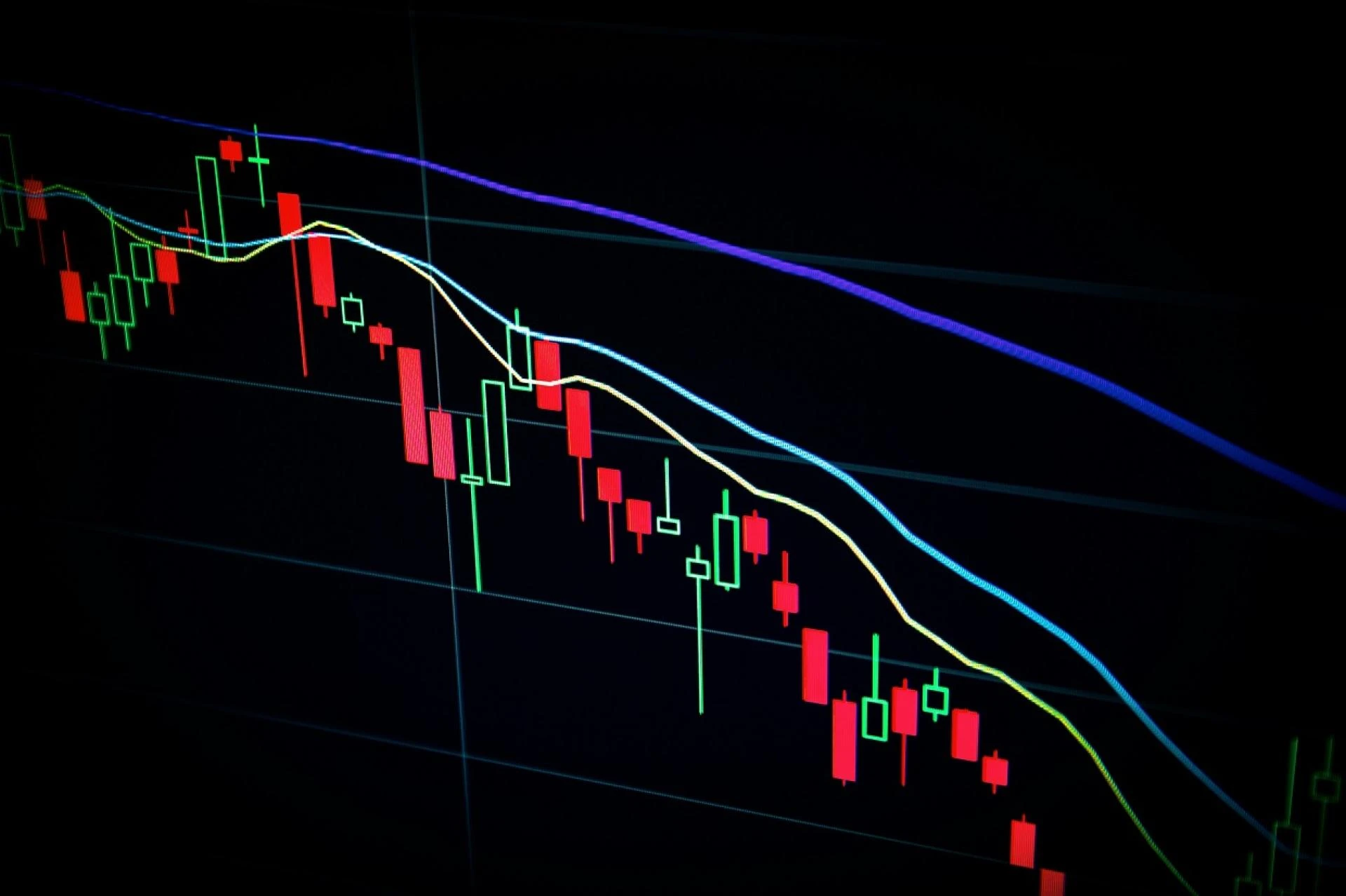
3. Technical Analysis: Understand how to read price charts, identify trends, and use indicators like:
- Candlestick Patterns
- Moving Averages
- RSI (Relative Strength Index)
- MACD (Moving Average Convergence Divergence)
- Bollinger Band
4. Fundamental Analysis: Study the impact of macroeconomic factors, company earnings, interest rates, and global events. This is especially useful for long-term investment decisions.
5. Trading Psychology: Markets aren’t just driven by data—they’re driven by people. Controlling your mindset can make or break your trading performance.
6. Money and Risk Management: Master the art of preserving capital. Learn how to:
- Set realistic profit and loss expectations.
- Use proper position sizing.
- Diversify your portfolio.
- Create a trading journal to track progress and learn from mistakes.
7. Case Studies and Real-Time Simulations: Practice using real or historical data. See how strategies perform under different market conditions and adjust accordingly.
Who Should Take Trading Courses?
Trading courses aren’t just for financial professionals or economics students. They're suitable for anyone interested in understanding how financial markets work and using that knowledge for personal gain. Ideal candidates include:
- Students seeking extra skills or income sources.
- Working professionals looking to create a second income.
- Retirees interested in managing their wealth wisely.
- Entrepreneurs who want to better handle business finances and investments.
- Aspiring full-time traders aiming to make a career out of trading.
Even experienced traders often enroll in advanced courses to refine strategies, stay updated with market trends, or get mentorship from professionals.
Online vs. Offline Trading Courses
Both online and offline trading courses have their own set of advantages. The right choice depends on your learning preferences, schedule, and location.
📱 Online Courses:
- More Affordable: Lower costs due to minimal infrastructure.
- Resource Access: Lifetime access to recordings, PDFs, and community forums.
- Global Reach: Learn from international experts without travel.
🏫 Offline Courses:
- In-Person Mentorship: Direct interaction with trainers.
- Instant Doubt Resolution: Ask questions and get immediate answers.
- Peer Networking: Collaborate with fellow traders and build a learning network.
- Hands-On Workshops: Great for those who prefer classroom-style learning.
Some training academies even offer hybrid models—a mix of online content with offline workshops or live webinars.
How to Choose the Right Trading Course?
With so many courses out there, how do you pick the one that’s worth your time and money? Consider the following factors:
1. Instructor Credentials: Research the trainer's background. Have they been successful traders themselves? Do they have real market experience, or are they just content creators?
2. Course Content: Make sure the course matches your level and goals. If you're advanced, look for strategy-oriented or niche content.
3. Student Reviews and Testimonials: Read what past students say. Look for honest feedback on learning outcomes, mentorship, and support after course completion.’
4. Practical Application: Avoid courses that are all theory. Choose one that offers market simulations, case studies, or demo trading accounts.
5. Post-Course Support: Some of the best trading courses offer access to private communities, regular Q&A sessions, and even lifetime mentorship.
Final Thoughts: Invest in Knowledge Before You Invest in the Market
Trading is not gambling—it’s a discipline. Like any other profession, it requires knowledge, practice, and a clear strategy. While self-learning is possible, structured trading courses provide the guidance, tools, and confidence you need to navigate volatile markets.
If you're serious about trading—whether for extra income or as a full-time career—don’t rush into the markets blindly. A well-designed trading course can protect you from costly mistakes and lay the foundation for long-term success.


























Sign in to leave a comment.