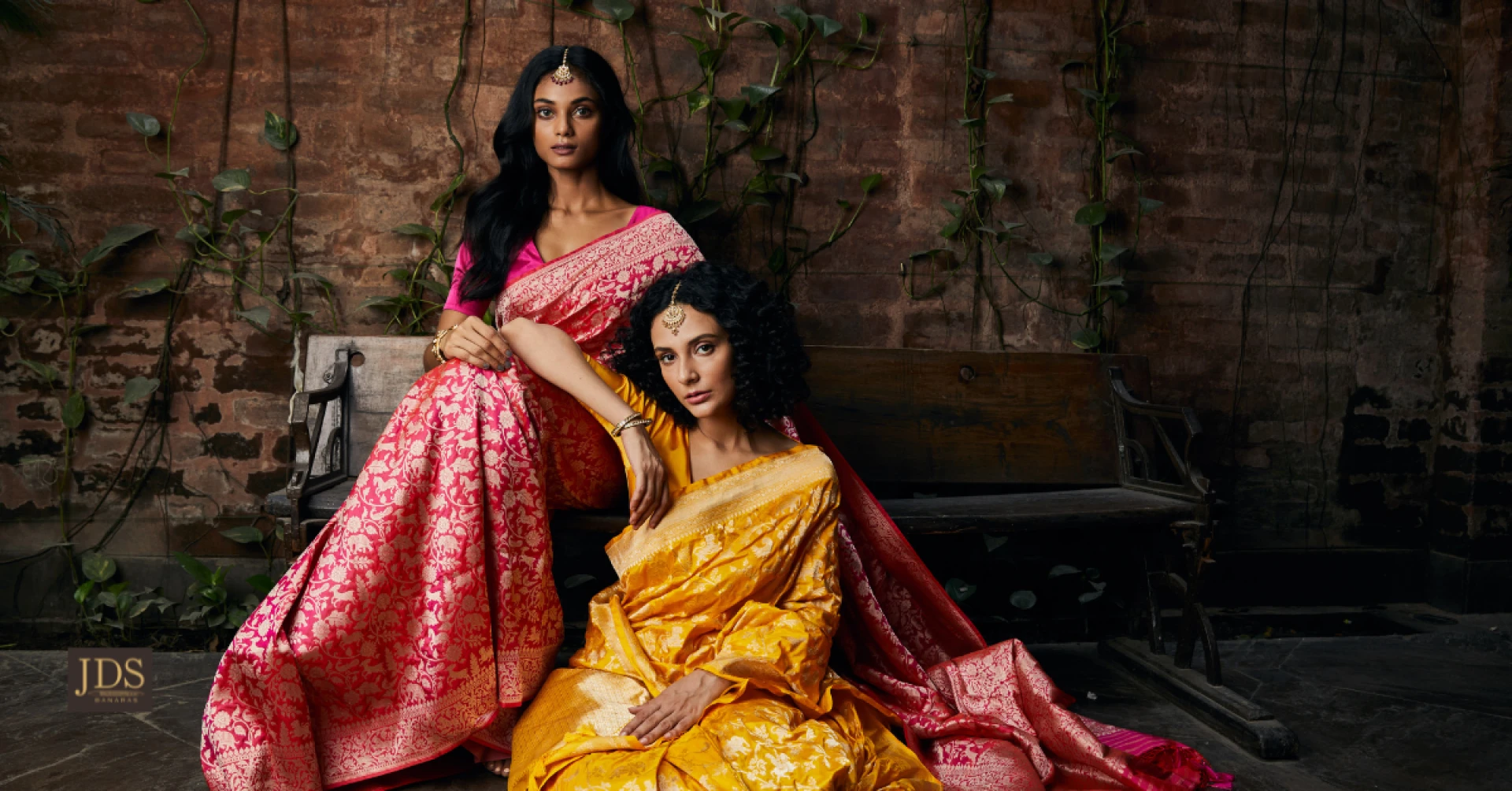
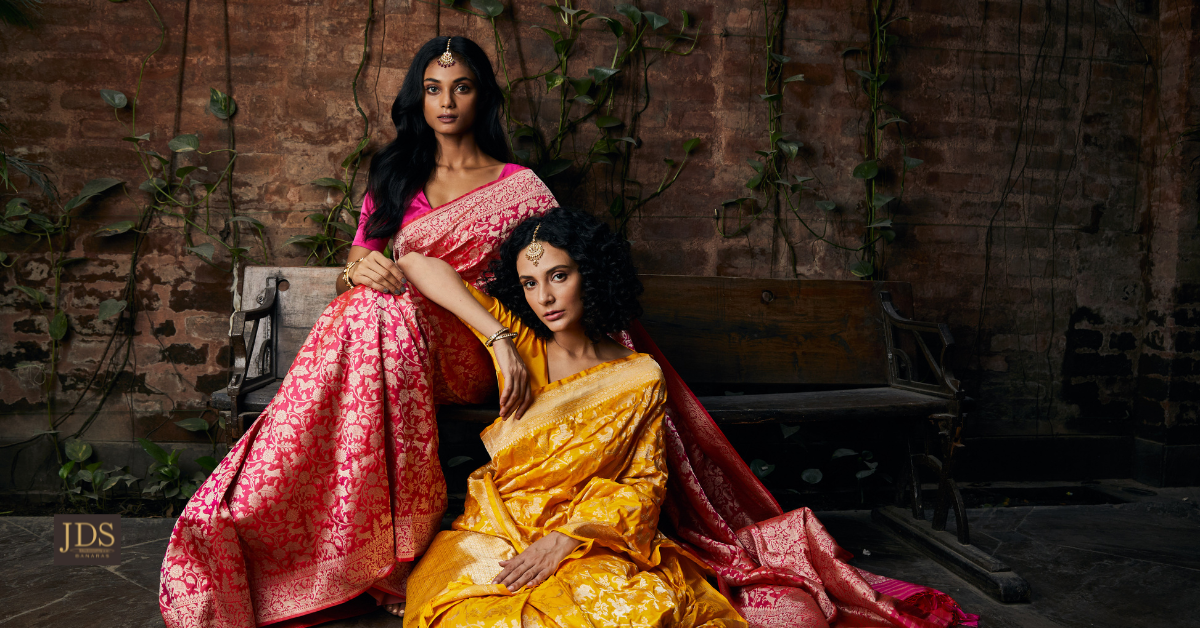
Varanasi is one of India’s most iconic textile hubs, known for its exquisite Banarasi sarees and centuries-old weaving traditions. Whether you are a retailer, bride, or saree enthusiast, shopping in Varanasi can be an overwhelming yet rewarding experience.
One of the biggest decisions buyers face is choosing between traditional saree shops and modern retail showrooms. Each offers a unique experience, pricing structure, and product range. Understanding the difference can help you make smarter purchasing decisions.
What Are Traditional Saree Shops in Varanasi?
Traditional saree shops are often family-run businesses that have been operating for generations. These shops are deeply rooted in the cultural and weaving heritage of Varanasi.
Key Features of Traditional Shops
- Direct connection with local weavers
- Focus on handloom and authentic Banarasi sarees
- Limited but exclusive designs
- Strong emphasis on craftsmanship over branding
- Flexible pricing and bargaining
These shops are commonly found in areas like Vishwanath Gali, Chowk, and old city markets.
Advantages of Traditional Shops
- Authentic handwoven sarees
- Better pricing due to fewer middlemen
- Customization options directly from weavers
- Unique, non-mass-produced designs
Limitations
- Limited showroom space and display
- Time-consuming selection process
- Less organized inventory
- No fixed pricing in many cases
What Are Modern Saree Showrooms?
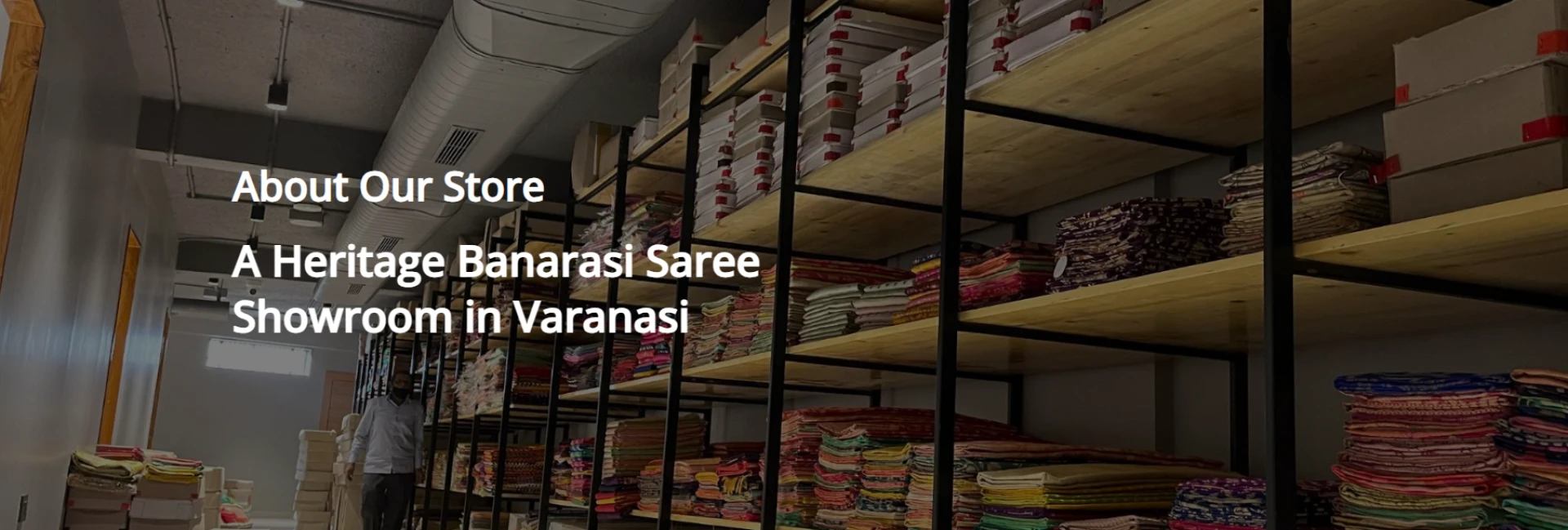
Modern saree showrooms in Varanasi are professionally managed retail stores designed to offer a premium shopping experience.
Key Features of Modern Showrooms
- Large, well-organized display spaces
- Branded collections and designer sarees
- Fixed pricing and billing transparency
- Air-conditioned and comfortable environment
- Availability of multiple product categories
Advantages of Modern Showrooms
- Easy browsing and quick selection
- Standardized quality and packaging
- Professional customer service
- Ideal for first-time buyers and tourists
Limitations
- Higher prices due to branding and overhead costs
- Limited bargaining opportunities
- Some products may be machine-made
- Less direct connection with weavers
Traditional vs Modern Shops: Key Differences
Pricing
Traditional shops usually offer lower prices due to direct sourcing, while modern showrooms may charge higher due to branding and infrastructure.
Authenticity
Traditional shops are more likely to offer genuine handloom sarees. Modern showrooms may include both handloom and machine-made options.
Variety
Modern stores provide a wide variety under one roof, while traditional shops focus on niche, handcrafted collections.
Shopping Experience
Traditional markets offer a cultural and immersive experience, whereas modern showrooms provide comfort and convenience.
Customization
Traditional sellers are more flexible with customization, while modern stores have fixed designs and collections.
Which One Should You Choose?
Your choice depends on your purpose and buying style:
- Choose traditional shops if you want authenticity, better pricing, and unique handloom sarees
- Choose modern showrooms if you prefer convenience, variety, and a hassle-free shopping experience
Retailers often prefer traditional sources for bulk buying, while individual buyers and tourists may lean towards modern showrooms.
Tips for Buyers Visiting Varanasi
- Research before visiting shops
- Always check fabric and zari quality
- Compare prices across multiple stores
- Ask about handloom certification
- Don’t hesitate to negotiate in traditional markets
Conclusion
Shopping for sarees in Varanasi is a unique experience that blends tradition with modern retail. Both traditional shops and modern showrooms have their own strengths, and the right choice depends on your needs, budget, and expectations.
By understanding the differences, buyers can make informed decisions and get the best value for their investment while exploring the rich textile heritage of Varanasi.






















Sign in to leave a comment.