

Mental health treatment has continued to evolve, providing people with more options when traditional approaches may not provide the desired results. Transcranial Magnetic Stimulation Therapy is a non-invasive treatment that uses magnetic pulses to stimulate specific areas of the brain associated with mood regulation.
TMS may be considered for certain mental health conditions, particularly when symptoms have not improved sufficiently with other treatments. Understanding how the therapy works, what a typical session involves, and what to expect can help individuals make informed decisions with their healthcare provider.
What Is Transcranial Magnetic Stimulation Therapy?
Transcranial Magnetic Stimulation Therapy is a procedure that uses an electromagnetic coil placed near the head to deliver controlled magnetic pulses. These pulses stimulate nerve cells in targeted areas of the brain.
Unlike electroconvulsive therapy (ECT), TMS does not require general anesthesia and does not intentionally induce a seizure. A typical session is performed while the individual remains awake and can usually return to normal activities afterward, depending on their treatment plan and provider's recommendations.
TMS is commonly associated with the treatment of depression, although specific TMS applications depend on the device, condition being treated, and clinical guidance.
How Does TMS Therapy Work?
During a TMS session, a trained healthcare professional positions a magnetic coil against the scalp. The device delivers repeated magnetic pulses to a specific region of the brain.
The treatment is designed to influence neural activity in areas involved in mood and emotional regulation. A healthcare provider determines the appropriate stimulation location and treatment settings based on the individual's needs.
TMS is generally provided as a series of sessions rather than a single treatment. The number and frequency of sessions can vary depending on the individual's condition and treatment response.
What Happens During a TMS Session?
A typical session may involve several steps:
- Initial assessment: The healthcare provider reviews the individual's mental health history, symptoms, medications, and treatment goals.
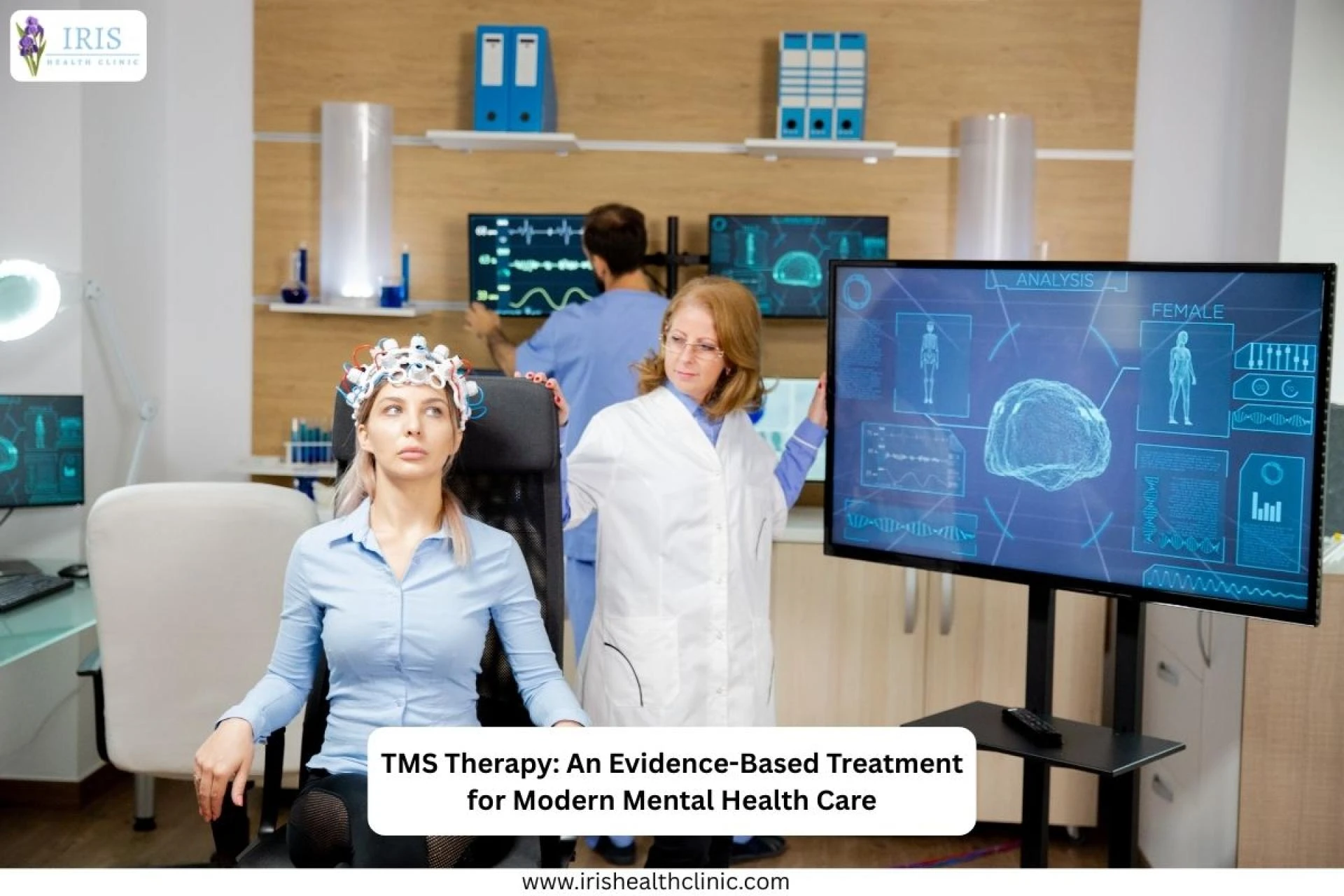
- Treatment positioning: The individual sits comfortably while the TMS device is positioned near the head.
- Magnetic stimulation: The device delivers a series of magnetic pulses to the targeted brain area.
- Monitoring: The provider observes the individual's response and can adjust treatment settings when appropriate.
- After the session: Most people remain awake throughout treatment and can generally continue with their normal activities unless their provider recommends otherwise.
Some people experience sensations such as tapping or clicking around the treatment area during stimulation.
What Can You Expect After Treatment?
People respond differently to TMS. Some may notice changes in symptoms over time, while others may require a longer course of treatment before determining whether it is beneficial.
A healthcare provider will typically monitor progress throughout treatment. This allows the treatment plan to be evaluated and adjusted when necessary.
TMS is not suitable for everyone. Before beginning treatment, patients should discuss their medical history, medications, implants, and other relevant factors with their healthcare provider.
How TMS Can Fit Into a Broader Mental Health Plan
Mental health treatment often involves more than one therapeutic approach. Depending on an individual's needs, a treatment plan may include counseling, medication management, behavioral therapies, lifestyle support, or other clinical interventions.
For example, psychodrama therapy techniques use structured role-play and experiential activities to help individuals explore emotions, relationships, and difficult experiences. This approach is different from TMS, but it may be considered as part of a broader therapeutic plan when clinically appropriate.
The right combination of treatments depends on the individual's symptoms, diagnosis, medical history, and treatment goals.
TMS and Complex Mental Health Needs
Some individuals experience both mental health conditions and substance use concerns. When these issues occur together, treatment may need to address both concerns rather than focusing on only one.
Mental health dual diagnosis treatment is designed to address co-occurring mental health and substance use disorders through an integrated approach. Depending on the individual's needs, treatment may involve therapy, medication management, substance use support, and ongoing monitoring.
TMS may be considered for certain psychiatric conditions, but whether it is appropriate for someone with co-occurring conditions must be determined by a qualified healthcare professional.
Is TMS Right for You?
Deciding whether Transcranial Magnetic Stimulation Therapy is appropriate requires an evaluation by a qualified healthcare provider. They can review your symptoms, previous treatments, medical history, and overall health before recommending an appropriate course of care.
It is also important to have realistic expectations. TMS is not a universal treatment and may not work for everyone. Your provider can explain potential benefits, risks, side effects, treatment duration, and alternative options.
Conclusion
Transcranial Magnetic Stimulation Therapy offers a non-invasive treatment option that uses magnetic stimulation to influence targeted areas of the brain. For people who may benefit from TMS, a structured course of treatment combined with appropriate clinical monitoring can become part of a broader mental health care plan.
Whether someone is exploring TMS, psychodrama therapy techniques, or mental health dual diagnosis treatment, professional assessment is an important first step. Individualized care can help identify the most appropriate treatment options and provide ongoing support throughout the recovery process.




























Sign in to leave a comment.