
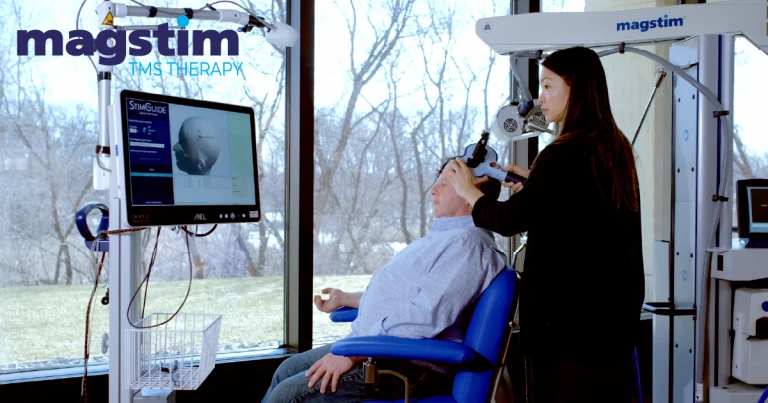
Transcranial Magnetic Stimulation (TMS) stands at the forefront of innovative therapies in mental health and neuroscience. This non-invasive procedure harnesses the power of magnetic fields to stimulate specific areas of the brain, offering new hope and possibilities for individuals struggling with various psychiatric conditions. If you want to learn more about the role of TMS therapy for depression, and how it paves the way for a brighter future in mental wellness, read this post -
How Does TMS Work?
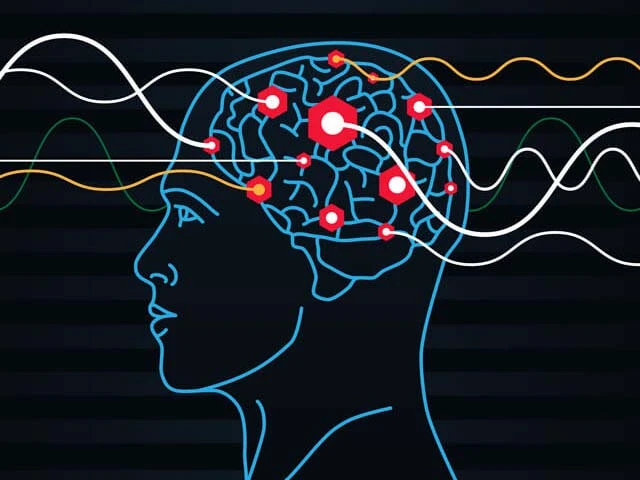
TMS works by using a coil placed against the scalp, which generates magnetic pulses. These pulses pass through the skull and stimulate the brain\'s nerve cells, particularly in areas associated with mood regulation, memory, and movement.
Conditions Treated with TMS
TMS is primarily used to treat depression that hasn\'t responded well to other treatments. It\'s also being studied for its effectiveness in treating conditions like anxiety disorders, post-traumatic stress disorder (PTSD), and certain types of chronic pain.
Understanding the TMS Procedure
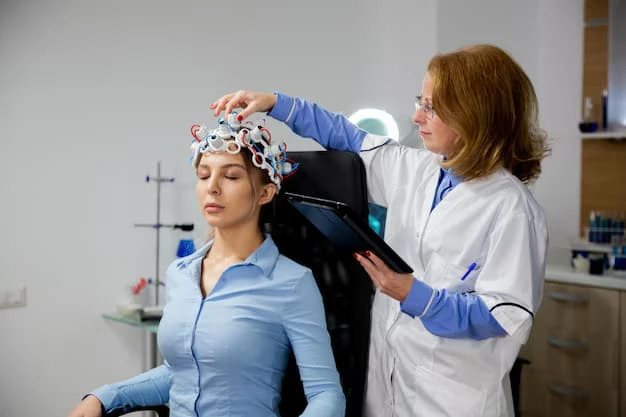
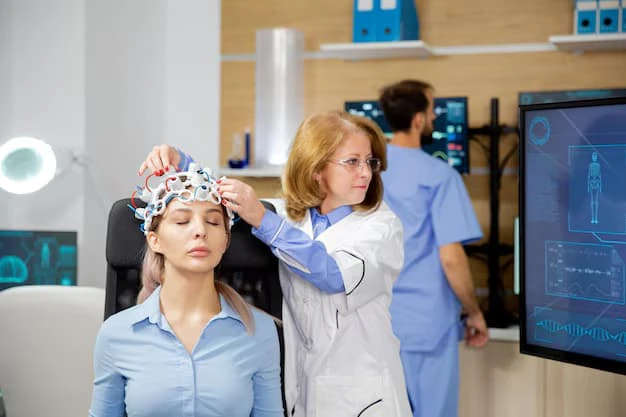
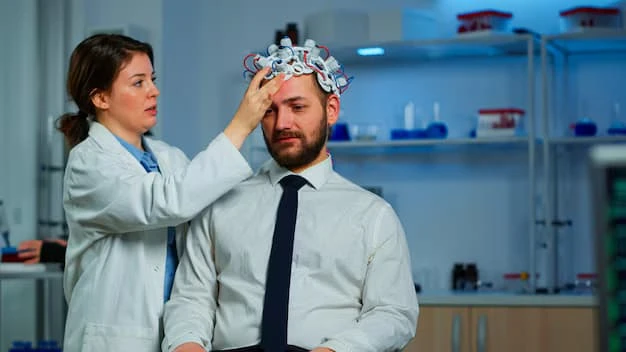
During a TMS session, the patient sits in a chair, and a technician positions the magnetic coil on their scalp. The coil delivers repetitive magnetic pulses, creating a tapping or clicking sensation on the scalp. Sessions typically last around 30 to 60 minutes and are usually administered daily for several weeks.
Safety and Side Effects
TMS is considered safe and well-tolerated for most people. Common side effects may include mild headache, scalp discomfort, or muscle twitching during the procedure. Serious side effects are rare but can include seizures, which are extremely uncommon and more likely in individuals with a history of seizures.
Effectiveness and Benefits
Many studies have shown that TMS can significantly improve symptoms of depression in patients who haven\'t responded to other treatments. It offers a non-pharmacological option with fewer systemic side effects compared to medications. TMS is also appealing because it doesn\'t require anaesthesia or sedation, allowing patients to resume their daily activities immediately after a session.
Limitations and Considerations
While TMS can be highly effective for some individuals, it may not work for everyone. Factors such as the specific condition being treated, the brain\'s responsiveness to stimulation, and the individual\'s overall health can influence its effectiveness. Additionally, TMS is not a first-line treatment and is usually considered after other standard treatments have been tried without success.
Transcranial Magnetic Stimulation (TMS) for Depression
Depression is a common mental health condition characterized by persistent feelings of sadness, hopelessness, and loss of interest in activities. While medications and therapy are standard treatments for depression, some individuals may not respond adequately to these approaches. In such cases, Transcranial Magnetic Stimulation (TMS) offers a non-invasive alternative that targets the brain\'s neural circuits associated with mood regulation.
Wrap Up
Transcranial Magnetic Stimulation (TMS) is a non-invasive procedure, primarily used to treat depression and is being studied for other conditions. So, if you are searching online for ‘TMS therapy for depression near me’ you can count on Shifa Health for professional help. Feel free to visit the website to learn more!




Sign in to leave a comment.