

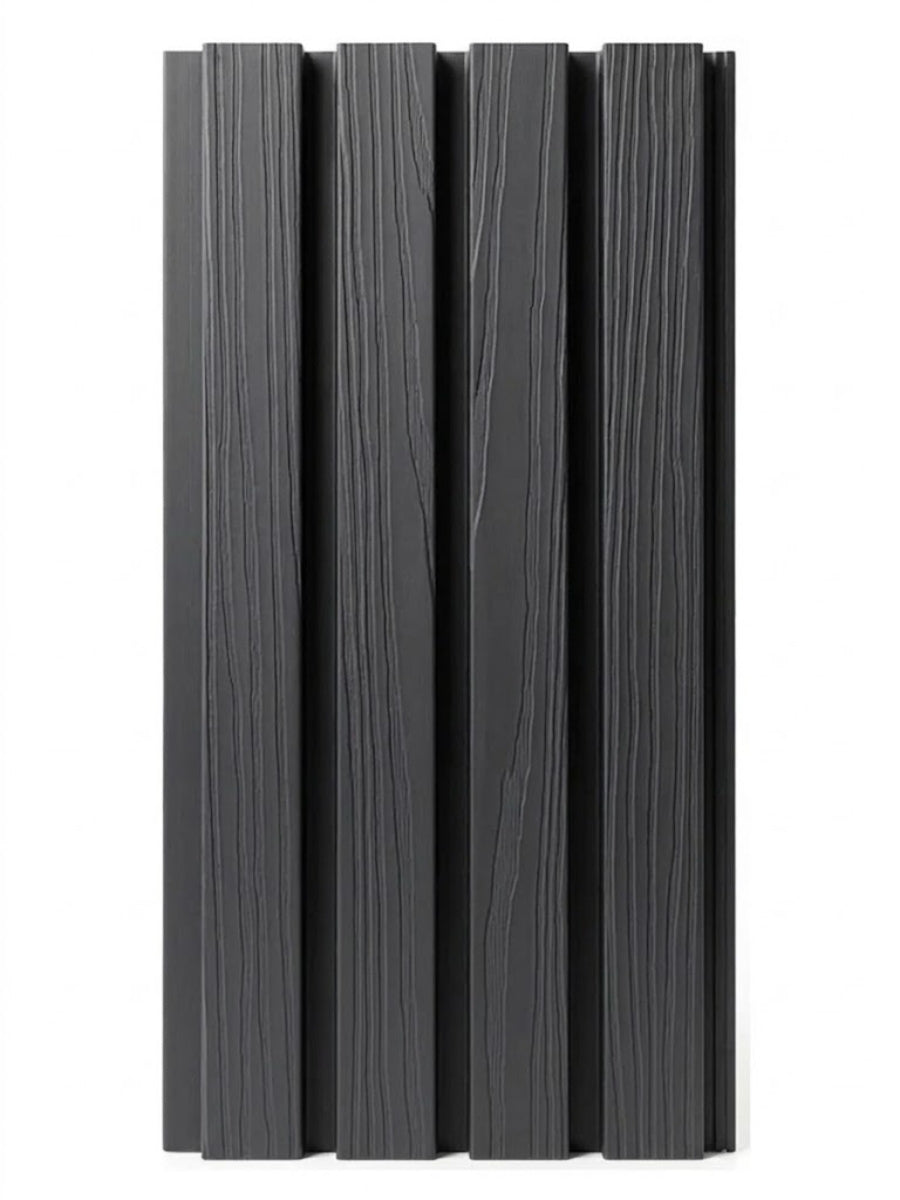
Modern architectural design emphasizes clean lines, striking contrast, and long-lasting protection against the elements. Homeowners and commercial developers are increasingly turning to black composite exterior cladding panels to achieve a sleek, contemporary facade that delivers both aesthetic depth and structural durability. Made from a high-density combination of recycled wood fibers and advanced polymers, these panels offer the deep, luxurious appearance of dark natural timber without the ongoing burden of painting, staining, or sealing.
The Modern Architectural Appeal of Dark Composite Panels
Dark building exteriors create an immediate visual impact, defining geometric structures and highlighting surrounding landscapes. Incorporating black composite exterior cladding panels into a building design provides a rich backdrop that pairs exceptionally well with warm timber accents, neutral stone, glass, and steel. Available in various profiles—such as smooth flat boards, wide slatted profiles, and modern fluted designs—they introduce texture and depth that elevate the overall curb appeal of residential homes, garden structures, and commercial properties.
Engineered Weathering Performance and Superior Durability
Unlike traditional timber siding that absorbs water, warps, and fades over time, black composite exterior cladding panels are engineered to withstand extreme environmental conditions. Equipped with advanced UV stabilizers and waterproof co-extruded outer layers, high-performance black composite exterior cladding panels resist intense sun exposure, heavy rain, snow, and severe temperature fluctuations without cracking, rotting, or splintering. Their impervious structure also offers complete protection against termites and fungal growth, keeping the facade structurally sound for decades.
Eco-Friendly Construction and Minimal Maintenance Requirements
Choosing sustainable exterior building materials helps reduce environmental impact without sacrificing quality or style. Utilizing black composite exterior cladding panels supports eco-friendly building practices because they are manufactured using reclaimed wood materials and recycled plastics, reducing deforestation and plastic waste. Additionally, these panels require almost no upkeep; routine washing with water and mild detergent is all that is needed to preserve their fresh appearance, eliminating the need for toxic stains, paints, or frequent costly repairs over their long service life.




















Sign in to leave a comment.