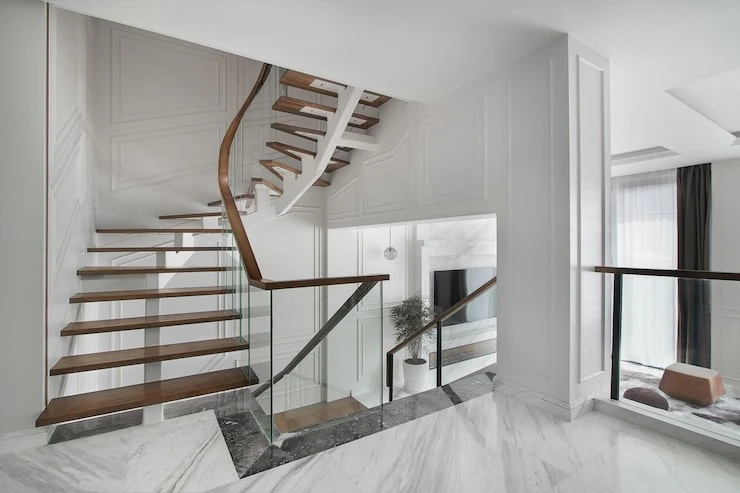
A staircase is more than just a functional part of your home—it’s a statement piece that sets the tone for your interior design. A well-crafted staircase can enhance both the aesthetics and value of your home, making it a central feature that impresses visitors. Whether you’re building a new home or updating an old one, opting for a custom staircase allows you to reflect your style, maximize space, and create a design that perfectly complements your home’s personality.
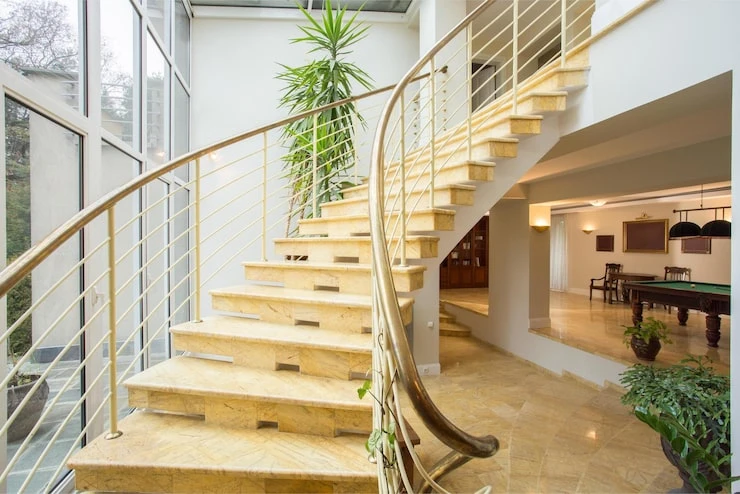
Why Choose a Custom Staircase?
Standard staircases often come with limited design options and materials, which can make your home feel generic. Custom staircases, on the other hand, offer unique design flexibility. Homeowners can select materials, finishes, and railings that match their interior style, whether modern, rustic, or classic. Beyond aesthetics, a custom staircase ensures the dimensions and safety features fit your home perfectly, providing comfort and durability.
Materials That Make a Difference
Choosing the right material is essential for both the look and longevity of your staircase. Common options include:
- Wood: Offers warmth and elegance. Popular choices are oak, maple, and cherry.
- Metal: Perfect for modern or industrial styles; durable and low-maintenance.
- Glass: Adds a sleek, contemporary feel while visually opening up the space.
- Combination: Using multiple materials, like wood treads with metal railings, can create a striking, customized look.
Each material has its advantages in terms of durability, maintenance, and design versatility, making it easy to tailor the staircase to your lifestyle and interior design preferences.
Designing for Function and Style
A staircase should be both functional and visually appealing. Before starting your custom staircase project, consider these key aspects:
- Space Optimization: In smaller homes, spiral or floating staircases save space without compromising style.
- Safety: Proper tread width, riser height, and handrail placement are critical to prevent accidents.
- Flow and Lighting: A staircase should enhance natural light and maintain smooth movement between floors.
Incorporating creative elements like hidden storage or integrated lighting can make your staircase a practical and stylish centerpiece.
The Process of a Staircase Remodel
Remodeling an existing staircase can completely transform the look of your home. A staircase remodel allows homeowners to modernize outdated designs, improve safety, or add luxurious features without the need for a full renovation. Common updates include replacing railings, changing the finish, or installing new treads. A remodel can be a cost-effective solution to achieve the elegance and functionality of a custom staircase while maintaining the existing structure.
Benefits of Remodeling
- Increased Home Value: A modern, stylish staircase attracts buyers and enhances property value.
- Improved Safety: Updated railings, better lighting, and proper tread spacing reduce the risk of accidents.
- Personalization: Customize the staircase to reflect your unique style and home décor.
Even small upgrades, like changing the handrails or refinishing the steps, can make a dramatic difference in the overall aesthetic of your space.
Trends in Modern Staircase Design
Current trends emphasize both functionality and visual appeal. Some popular ideas include:
- Floating Stairs: Sleek, minimalistic, and visually striking.
- Glass Railings: Enhance openness and natural light flow.
- Mixed Materials: Combining wood, metal, or stone for a contemporary look.
- LED Lighting: Integrated stair lighting adds ambiance and safety.
Design trends often balance practicality with creativity, allowing homeowners to craft staircases that serve as both functional structures and statement pieces.
Tips for Choosing the Right Staircase Designer
Selecting the right professional is crucial for a successful custom staircase or remodel project. Consider these tips:
- Experience: Choose designers or contractors with a strong portfolio in custom staircases.
- Material Knowledge: Ensure they can guide you on the best materials for durability and design.
- Customization Options: Look for flexibility in design choices, finishes, and detailing.
- Customer Reviews: Past client experiences can indicate the quality of workmanship and reliability.
Working with a skilled designer ensures your staircase is not only beautiful but also structurally sound and safe for everyday use.
Conclusion
A staircase is more than a simple connector between floors; it is an opportunity to make a bold design statement while adding functionality to your home. Whether building a new staircase or opting for a staircase remodel, investing in a custom design ensures that your staircase complements your home’s style, enhances safety, and increases overall value. By choosing the right materials, design elements, and professional guidance, you can create a staircase that becomes the centerpiece of your interior.
FAQ
1. How long does it take to design and install a custom staircase?
The timeline varies depending on the complexity of the design and materials used. Simple projects may take 2–4 weeks, while elaborate designs could take several months.
2. Can a staircase remodel fit within a small budget?
Yes, a remodel can often be done cost-effectively by updating finishes, railings, or treads without completely replacing the structure.
3. Are custom staircases safe for children and elderly family members?
Absolutely. Designers ensure proper tread width, riser height, and sturdy railings to meet safety standards while maintaining aesthetic appeal.
























Sign in to leave a comment.