
Your vehicle is more than just a mode of transportation; it's an extension of your personality and style. Whether you have a sleek sports car, a rugged off-roader, or a reliable family sedan, maintaining its exterior appearance is crucial not just for aesthetics but also for preserving its value. In the world of automotive care, one of the most transformative and effective processes is car polishing. In this comprehensive guide, we will explore advanced car polishing methods that go beyond the basic waxing and bring your vehicle's paintwork to a level of brilliance you might not have thought possible.
The Basics of Car Polishing
Before delving into advanced techniques, let's briefly cover the fundamentals of car polishing. Car polishing is a process designed to enhance the appearance of a vehicle's paintwork by removing imperfections such as swirl marks, scratches, and oxidation. The primary tools for this task are car polishers or buffers, polishing compounds, and polishing pads. Traditional car polishing involves a two-step process: compounding and polishing. The compounding step focuses on removing deeper imperfections, while polishing aims to refine the finish and bring out a high level of gloss.
Advanced Polishing Compounds
One of the key advancements in car polishing lies in the formulation of polishing compounds. Traditional compounds often relied on abrasive materials that could be harsh on the paint and difficult to work with. However, modern formulations use cutting-edge abrasive technology that is more effective in removing imperfections while being gentler on the paint surface.
Advanced compounds are engineered to break down into smaller particles during the polishing process. This not only ensures a smoother application but also reduces the risk of introducing new swirl marks or scratches. Some compounds even incorporate diminishing abrasives that adjust their cutting ability based on the pressure applied, allowing for more control over the polishing process.
Dual Action Polishers: Precision and Safety
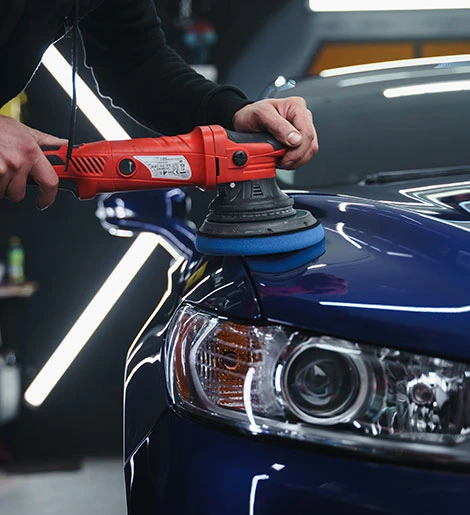
The tool you choose for polishing plays a crucial role in achieving professional-level results. Dual action polishers have gained popularity among automotive enthusiasts and professionals alike for their versatility and user-friendly design. Unlike rotary polishers, which can be more challenging to control, dual action polishers oscillate and rotate simultaneously. This dual-action motion reduces the risk of overheating the paint and causing damage, making them an excellent choice for both beginners and experienced detailers.
The advantage of dual action polishers extends beyond safety; they also provide more precise and even application of polishing compounds. This results in a more uniform removal of imperfections and a smoother, glossier finish. With adjustable speed settings, these polishers offer flexibility in tackling different levels of imperfections on various paint types.
Foam Pads: Tailoring the Polishing Process
Choosing the right polishing pad is as important as selecting the appropriate polishing compound. Foam pads have become a popular choice due to their versatility and effectiveness in achieving specific results. Advanced foam pads are designed with specific colors and compositions to address various polishing needs.
For example, cutting foam pads with a more aggressive structure are ideal for the compounding stage, effectively removing deep scratches and swirl marks. Transitioning to softer foam pads during the polishing stage refines the finish and enhances gloss without reintroducing imperfections. Additionally, finishing foam pads with ultra-soft compositions are perfect for the final step, providing a mirror-like shine to the paintwork.
Wet Sanding: Precision Restoration
When dealing with severe imperfections like deep scratches or orange peel texture, wet sanding emerges as an advanced technique in car polishing. Wet sanding involves using ultra-fine sandpaper with a lubricating solution to gently remove a thin layer of clear coat. This process requires skill and precision, and it's crucial to use the correct grit sandpaper to avoid causing further damage.
While wet sanding is a powerful method for restoring the paint surface, it should be approached with caution. It's recommended for experienced detailers or professionals due to the potential risks associated with incorrect sanding techniques. However, when done correctly, wet sanding can achieve unparalleled results in refining the paint surface to a level of perfection.
Ceramic Coatings: The Ultimate Protection
Once you've achieved the desired level of perfection with advanced car polishing methods, it's essential to protect the newly restored finish. This is where ceramic coatings come into play. Unlike traditional waxes and sealants, ceramic coatings form a strong, transparent layer on the paint surface, providing long-lasting protection against environmental contaminants, UV rays, and harsh weather conditions.
Ceramic coatings offer numerous advantages, including hydrophobic properties that repel water, making maintenance easier and protecting against water spots. They also provide a durable shield against bird droppings, tree sap, and other pollutants that can damage the paint over time. Additionally, ceramic coatings enhance the paint's depth and gloss, giving it a stunning appearance that lasts for years.
Professional Detailing: The Finishing Touch
While advanced car polishing methods can be performed by enthusiasts, there's a level of finesse that professional detailers bring to the process. Professional detailing services often utilize specialized tools, high-quality products, and years of experience to achieve exceptional results. Beyond exterior polishing, these services may include comprehensive interior detailing, engine bay cleaning, and paint protection film installation.
Professional detailers have an eye for detail and understand the intricacies of different paint types and finishes. Their expertise ensures that the polishing process is tailored to the specific needs of your vehicle, resulting in a finish that goes beyond what traditional DIY methods can achieve.
Conclusion
Transforming your vehicle with advanced car polishing methods is more than just a cosmetic upgrade; it's an investment in preserving its beauty and value. From cutting-edge polishing compounds to precision tools like dual action polishers and foam pads, the world of car detailing has evolved to provide enthusiasts and professionals with the means to achieve showroom-quality results.
While the DIY approach is accessible and rewarding, there's a level of expertise that professional detailers bring to the table. Their skills, combined with advanced techniques like wet sanding and the application of ceramic coatings, take car polishing to the next level, ensuring a finish that not only turns heads but also withstands the test of time.
As you embark on the journey of transforming your vehicle's appearance, remember that each step in the polishing process contributes to the final result. Whether you choose to tackle the task yourself or enlist the help of a professional detailer, the advanced methods discussed in this guide provide a roadmap to achieving automotive perfection.







Sign in to leave a comment.