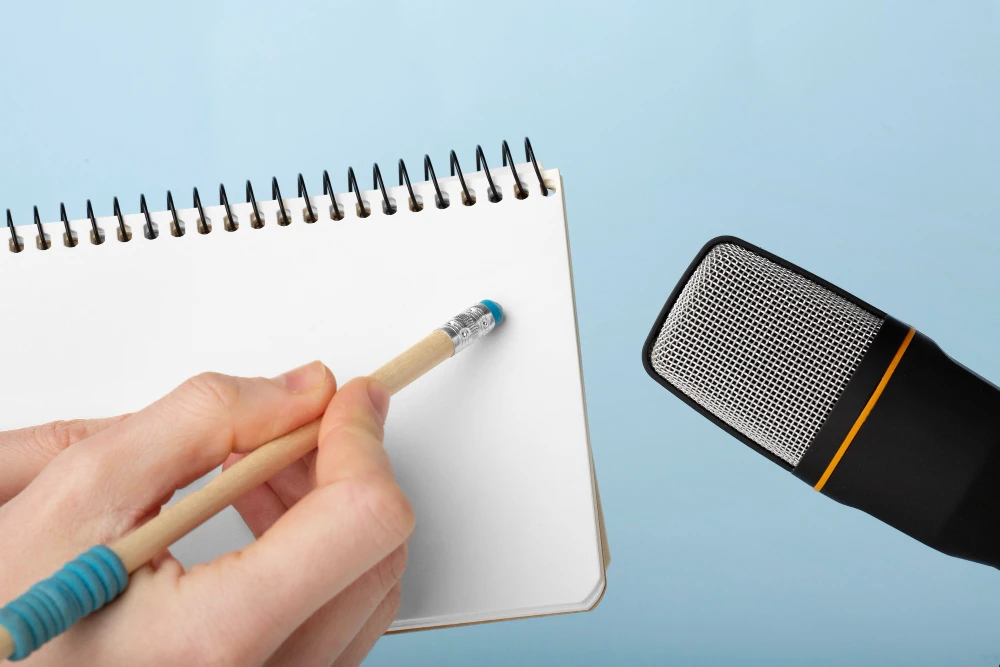

In the fast-evolving world of digital content, creators constantly seek ways to repurpose, optimize, and scale their output. Whether you're a podcaster, video producer, social media strategist, or blogger, converting MP3 to text opens up new channels for growth and audience engagement. It’s not just a tech tool—it’s a catalyst for smarter content creation.
The Role of Audio in Content Production
Audio content is everywhere—podcasts, interviews, webinars, voiceovers, and video narrations. It's an accessible, engaging medium, but it comes with limitations for discovery, indexing, and reuse. That’s where transcription bridges the gap between voice and visibility.
The Challenges of Audio-Only Content
- Limited Searchability
- Audio files can't be crawled or indexed by search engines like Google.
- No Visual Consumption
- Viewers who prefer reading (or can't listen) miss out on your message.
- Difficult to Repurpose
- Reusing an MP3 for articles, social posts, or eBooks requires manual transcription.
- Accessibility Gaps
- Hearing-impaired audiences are excluded from audio without text versions.
Why MP3 to Text Matters for Content Creators
Transcribing MP3 to text creates a versatile version of your spoken content. It turns your voice into written assets that can be optimized, published, and monetized across platforms.
Key Benefits for Content Creators
- SEO Boost: Transcripts contain keywords that improve search engine rankings.
- Repurposing: Turn one recording into multiple content types.
- Audience Expansion: Reach readers, listeners, and non-native speakers with one transcript.
- Professionalism: Offering transcripts elevates the user experience and brand credibility.
Common Use Cases in Digital Media
Podcasting
- Convert each episode into a blog post, show notes, or newsletter content.
- Provide transcripts for accessibility and SEO.
YouTube and Video Production
- Generate captions, subtitles, and summaries from narration tracks.
- Improve viewer retention and platform engagement.
Online Courses
- Create printable lecture notes from audio modules.
- Enhance student accessibility and review efficiency.
Influencer Content
- Transcribe Instagram or TikTok voiceovers for captions or LinkedIn posts.
- Create scripts from live-streamed sessions for reuse.
MP3 to Text for Repurposing Content
One piece of recorded audio can become:
- A search-optimized article
- A series of social media posts
- A quote bank or infographic
- A downloadable PDF guide
- A chapter in an eBook or course
This is how smart creators stretch content without starting from scratch.
Choosing the Right Transcription Tool for Creators
Content creators need fast, affordable, and editable tools. Here’s what to look for:
- Quick Turnaround: Speed matters in content cycles.
- Editable Output: Must allow real-time editing for voice and grammar cleanup.
- Formatting Options: Export in blog-ready or caption-ready formats.
- Speaker Tags: Identify hosts, guests, or voice actors.
- API or Integration Capabilities: Optional, for tech-savvy creators.
Top Tools for Media Professionals
- Descript: Best for editing podcasts and video with transcript-based UI.
- Otter.ai: Great for teams and collaborative show notes.
- Rev: Offers polished human-edited transcripts.
- Castmagic: Designed specifically for turning podcasts into repurposed content assets.
- Trint: Ideal for video producers and journalists with deep editing features.
Workflow Example: From MP3 to Blog Post
- Record a Podcast Episode
- Format: MP3
- Upload to Transcription Tool
- Service: Otter, Descript, or Rev
- Edit and Format
- Clean up grammar, add headers, and optimize with keywords.
- Publish and Distribute
- Post as a blog article, embed transcript with episode, or link to download.
Addressing Quality and Accuracy Concerns
Problem: Background Noise or Crosstalk
- Fix: Record in controlled settings; choose tools with noise filtering.
Problem: Slang, Accents, or Fast Speech
- Fix: Use platforms that allow dictionary customization and manual corrections.
Problem: Time Constraints
- Fix: Use AI-generated drafts, then hire editors or proofers for final polish.
Enhancing Accessibility and Inclusivity
Providing transcripts allows:
- Deaf and hard-of-hearing individuals to engage with your content.
- Multilingual audiences to translate and follow along.
- Viewers in silent environments (commuters, offices) to read instead of listen.
- Educators to share your content in learning-friendly formats.
Trends Shaping the Future of MP3 to Text in Media
As AI and voice technology evolve, transcription will do more than convert sound to words:
- Automatic Summarization: Pull key points or TL;DR sections instantly.
- Highlight Extraction: Identify quotes or viral moments automatically.
- Real-Time Transcription for Live Content: Stream and transcribe simultaneously.
- Voice Style Transfer: Match tone or emotion in text summaries.
Best Practices for Media Professionals
- Always record at high-quality audio settings (44.1 kHz, uncompressed if possible).
- Name MP3 files clearly (e.g., episode_25_interview_john.mp3).
- Organize transcripts by project or series.
- Include a disclaimer: “This transcript is automatically generated and may contain errors.”
- Embed transcripts with media players on your site for maximum accessibility.
Conclusion
For modern content creators, converting MP3 to text isn’t a novelty—it’s a necessity. It unlocks your content’s full potential by making it visible, reusable, and inclusive. Whether you're building a personal brand or managing a full-scale media operation, transcription amplifies your voice across platforms. Embrace this tool to create more content with less effort and greater reach.























Sign in to leave a comment.