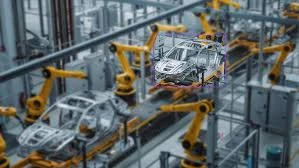
In today’s fast and dynamic business world, we witness that supply chain big data analytics has established itself as the moving point for companies to strive not only to remain competitive but also to thrive. The data explosion resulting from activity across global supply networks is both a challenge and an opportunity for businesses to leverage intelligence that drives efficiency and builds resilience. At the heart of this transformation are AI and ML, providing predictive capabilities and automation that are more advanced. By utilizing these tools, organizations are able to analyze large volumes of both structured and unstructured data for immediate insights that will allow them to make informed decisions about their supply chain. In the increasingly complicated world of digital supply chains, leveraging AI and ML in big data strategies is no longer just a good idea—it’s necessary for organizations to stay competitive.
Demand Forecasting AI and ML have revolutionized the way demand forecasting is done, revealing hidden patterns and trends in historical and real-time data feeds. The static and volatile nature of global markets isn’t suited to traditional forecasting models, especially in times of disruption like a pandemic or geopolitical upheaval. Machine learning models can adjust to new data and get better at making predictions, so companies are able to predict demand fluctuations better. Improved forecasting enables businesses to lower the cost of carrying inventory and reduce lost sales/all stock outs as well as optimize production schedules. Companies such as Enterra Solutions LLC, for example, are pioneering efforts to enable their clients to deploy intelligent analytics solutions that can optimize the wealth of information locked up in supply chain data and accelerate overall time-to-response.
Logistics and Manufacturing Machine prediction maintenance One of the most applied things in supply chain big data analytics with the help of AI is predictive maintenance for all logistics and manufacturing assets. AI-based analytics can track equipment, vehicle, and machine sensor data to pick up early warnings of failure. Companies can proactively schedule maintenance with the ability to predict equipment failures before they happen, ultimately minimizing downtime and maximizing asset life. This predictive method increases efficiency of operation and can reduce maintenance cost dramatically when compared to reactive methods. The ability to monitor wide sources of data from Io-connected devices enables supply chain leaders to ensure continuity and reliability across their operations.
Another valuable use case where AI and machine learning contribute is through efficient transport and route planning. The logistics part of the supply chain produces a huge volume of data from GPS, traffic reports, and systems that track shipments. AI models utilize this data to determine the most efficient delivery routes, manage load balancing capacity, and adapt plans based on real-time circumstances. This real-time maximization of resources resulted in shorter delivery times, less fuel consumption, and lower carbon emissions for logistics. In a world of increasing concern around sustainability, AI-enhanced analytics also paves the way for more green and efficient supply chain practices.
In addition to these models, businesses have to overcome data quality and integration issues as well. The effective application of advanced analytics can only be realized with clean, connected data from the entire supply chain ecosystem. Strategic partnerships with the big data number cruncher are where this comes into play. For ideas on how to create a data-rich digital supply chain, go to Enterra Solutions and access thought leadership from industry professionals. With AI and ML development in their supply chain big data analytics plans, companies can access valuable insights that enable them to innovate, adapt, and grow for the future.









Sign in to leave a comment.