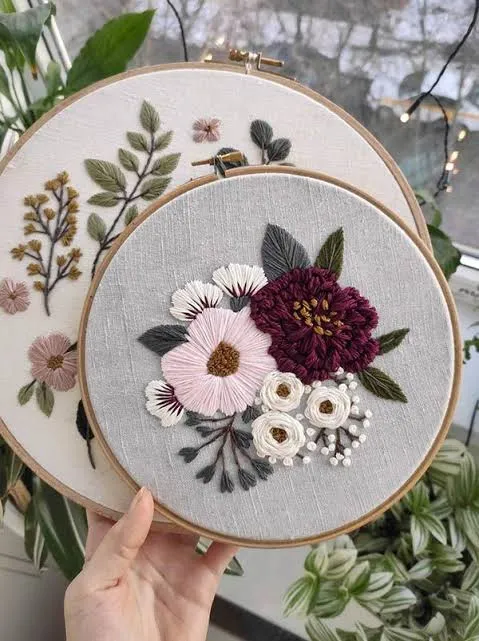

Embroidery is one of the oldest forms of textile artistry, yet it has never felt more modern. With the advent of computerized sewing machines, the barrier to entry has lowered, allowing hobbyists and small business owners alike to turn plain fabric into intricate, professional-grade masterpieces. However, the true magic of this craft lies in the quality and creativity of the machine embroidery designs you choose to bring to life.
Whether you are looking to personalize a gift, revitalize an old garment, or build a custom apparel business, understanding how to select and implement the right digital designs is the cornerstone of your success.
Why Quality Matters in Digital Embroidery
When you purchase or download a design file, you are essentially buying a set of instructions that tells your machine exactly where to pierce the fabric, how long to stitch, and when to change threads. Poorly digitized files can lead to frayed edges, thread breaks, and puckered fabric—problems that can quickly turn a fun project into a frustrating chore.
High-quality designs are "digitized" with precision. A professional digitizer understands the physics of how thread interacts with different fabric weights. They account for "pull compensation"—the tendency of fabric to shift under the needle—and ensure that the stitch density is appropriate for the complexity of the art. When you invest in well-structured files, you aren’t just saving time; you are ensuring that your machine runs smoothly and your final product looks polished.
Navigating the World of New Styles
The landscape of embroidery is constantly evolving. Trends in home decor and fashion shift rapidly, and staying current means keeping your library of assets updated. If you’ve been relying on the same few patterns for months, you may find your creative output hitting a plateau.
Exploring new designs is an excellent way to reignite your passion. Modern aesthetics currently lean toward minimalist line art, whimsical botanical motifs, and bold, geometric patterns. By incorporating these fresh styles into your repertoire, you can offer more variety to your clients or simply enjoy the satisfaction of mastering a new visual technique.
3 Essential Tips for Successful Embroidery
Even the most beautiful design will fail if the preparation is incorrect. Before you start your next project, follow these actionable steps to ensure a flawless finish:
1. Master Your Hooping Technique
The most common cause of "drift" or alignment issues is loose hooping. Your fabric should be drum-tight within the hoop. If the fabric is slack, it will shift during the high-speed stitching process, leading to gaps in your design. Take the time to secure your stabilizer and fabric firmly; it is the most important step in the entire process.
2. Match the Stabilizer to the Fabric
The "Golden Rule" of machine embroidery is that every fabric requires a specific stabilizer. A heavy canvas bag needs a sturdy cut-away stabilizer to hold the weight of a complex design, while a delicate silk scarf requires a water-soluble topper and a light tear-away backing. Using the wrong stabilizer can result in ruined fabric or a distorted design that loses its shape the moment it is removed from the hoop.
3. Test on Scrap Fabric First
Never use a new, untested design on your final garment. Always run a "test stitch" on a piece of scrap fabric that matches the weight and composition of your actual project. This allows you to check for thread tension issues, color combinations, and potential digitizing errors without the risk of ruining a high-quality piece of apparel.
Elevating Your Creative Workflow
For many, the goal is to move from simple monograms to more intricate artistic expressions. This transition requires a commitment to learning both your machine and your design software. As you become more comfortable, look for designs that challenge your current skill level—such as those featuring complex fill stitches, appliqué elements, or multi-color layering.
Remember, embroidery is as much about patience as it is about skill. When you find a reliable source for your digital files, you gain a partner in your creative journey. By curating a collection of diverse, professionally digitized files, you spend less time troubleshooting and more time enjoying the meditative process of watching your machine build art stitch by stitch.
Final Thoughts: Finding Your Signature Style
In the world of custom textiles, your choice of embroidery design is your signature. It defines the aesthetic of your work and reflects your personal taste or brand identity. Whether you are creating cozy nursery decor or chic, branded company polos, the quality of the foundation your design file is non negotiable.
Don't be afraid to experiment with different themes, thread colors, and placements. Embroidery is a versatile medium that rewards curiosity. Take the time to browse through the latest collections to see what inspires you today, and don't hesitate to push the boundaries of what your machine can do. With the right tools and a bit of practice, you can transform the ordinary into the extraordinary, one stitch at a time





















Sign in to leave a comment.