Trapstar is a brand that has transcended the traditional boundaries of streetwear to become a global cultural icon. Founded in 2005 in London, this clothing line has cultivated a dedicated following among those who resonate with its bold, gritty aesthetic and the ethos of street culture. But it's not just a brand; it's a movement, representing the creative energy of the urban landscape and the freedom to express individuality. Trapstar’s success story is one of defying norms, challenging trends, and making an indelible mark on fashion, especially in the world of high-end streetwear.
The Birth of Trapstar
Trapstar was born from the minds of three childhood friends – Mikey, Lee, and Will. Growing up in the boroughs of West London, the trio was surrounded by the vibrant and fast-paced world of London’s street culture. They were drawn to the rawness of hip-hop, the undercurrent of rebellion, and the energy of the streets. It was from these influences that the brand emerged, initially designed to cater to a niche group of individuals who were equally enamored with the gritty yet stylish elements of street life.
Their journey started in the early 2000s, when they began designing T-shirts and hoodies in their free time. These items were emblazoned with messages and graphics that reflected their experiences in London’s street culture, inspired by the music, fashion, and art that surrounded them. The name "Trapstar" itself comes from the term "trap," which refers to areas where drugs are sold, and "star," which symbolizes someone who stands out and rises above their circumstances. The name perfectly captured the essence of the brand: a celebration of resilience, success, and hustle.
Initially, Trapstar started as a small, underground operation, but it quickly gained attention thanks to its authentic designs and rebellious attitude. The brand’s early success was rooted in the simple, yet powerful concept of creating clothes that people in urban environments could relate to. Its designs were a far cry from the polished, commercialized streetwear that was emerging from big brands at the time. Instead, Trapstar’s products spoke to the heart of street culture, using bold graphics, urban slang, and deep references to the struggles and triumphs of life in the city.
Trapstar’s Iconic Hoodies and the Rise of the Trapstar Hoodie
While Trapstar initially made its name through its bold, statement-making T-shirts, it was the iconic Trapstar hoodie that really solidified the brand’s place in the global streetwear scene. The Trapstar hoodie is more than just a piece of clothing—it’s a cultural symbol, worn by everyone from streetwear enthusiasts to high-profile celebrities.
The hoodie became a staple of the brand for several reasons. First, it represents comfort and functionality. A hoodie is a versatile piece of clothing, perfect for the unpredictable weather in cities like London, where Trapstar first gained traction. Whether layered under a jacket or worn on its own, the Trapstar hoodie offered the perfect combination of warmth and style. But it was the design and detailing that made these hoodies stand out in a crowded market.
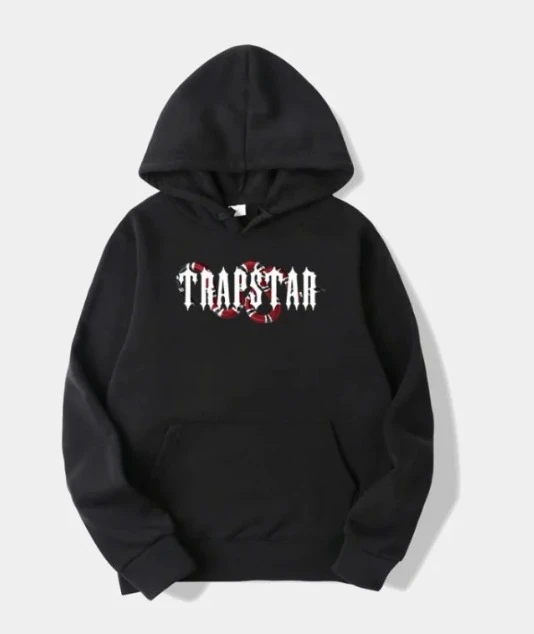
Trapstar’s hoodies are typically adorned with bold logos, graphic prints, and intricate designs that draw inspiration from urban life. The hoodies feature a signature use of the brand's "Trapstar" logo, often presented in eye-catching fonts and creative placements. These designs are a nod to the hustle and grit of street culture, with elements of graffiti, hip-hop, and punk influences woven throughout. The hoodie’s aesthetic is raw, unapologetic, and instantly recognizable.
What truly set the Trapstar hoodie apart from other streetwear brands was its association with the music world. The hoodie became synonymous with the urban music scene, particularly with artists in grime, hip-hop, and rap. Artists and musicians began wearing Trapstar clothing, making it a go-to brand for those who wanted to align themselves with an image of success, rebellion, and authenticity. The hoodie was not just a fashion statement—it was a way for individuals to embody the street culture that inspired the brand.
Trapstar and Its Cultural Impact
Trapstar’s influence extends far beyond the world of fashion. The brand has carved out a space in music, sports, and popular culture, becoming an essential part of the lifestyle for many of its followers. Its clothing line has been worn by a plethora of celebrities, including musicians like Rihanna, Jay-Z, and Skepta. These high-profile endorsements helped propel Trapstar from a small, underground brand to a globally recognized fashion label.
The brand has collaborated with some of the biggest names in fashion, including Nike and Puma, creating limited-edition collections that blend luxury with street culture. These collaborations have only served to solidify Trapstar’s position as a major player in the streetwear game, bridging the gap between high-end fashion and everyday street style.
Trapstar also stands out for its commitment to authenticity. In an era where many streetwear brands are accused of capitalizing on the culture without truly understanding it, Trapstar has remained true to its roots. The founders have always emphasized the importance of staying grounded in the experiences of real people from the streets. This authenticity is evident in their designs, their messaging, and their continued connection to the urban culture that inspired the brand in the first place.
The Trapstar Hoodie as a Statement Piece
Among Trapstar's extensive collection of urban fashion, the hoodie has emerged as a statement piece, beloved by fans worldwide. Its popularity isn’t just because it’s comfortable or stylish, but because it symbolizes something deeper. Wearing a Trapstar hoodie is about more than just fitting into a fashion trend—it's about aligning yourself with a mindset.
For many, the Trapstar hoodie is a badge of honor. It reflects a certain resilience, a sense of belonging to something bigger than oneself, and a recognition of the challenges and victories that come with living life on the edge. It represents not just style, but an attitude—one that challenges conventions and embraces the hustle. Trapstar’s hoodie has become a symbol of street culture, worn by those who live by their own rules and refuse to be confined by societal expectations.
Trapstar Today: A Global Powerhouse
Today, Trapstar stands as one of the leading streetwear brands in the world. It has successfully navigated the fine line between staying true to its urban roots while also appealing to a global audience. With its high-quality products, exclusive collaborations, and cultural relevance, Trapstar continues to be at the forefront of streetwear fashion.
The Trapstar hoodie remains a cornerstone of the brand’s identity, representing a fusion of urban culture, rebellious spirit, and cutting-edge style. Whether you’re an artist, a streetwear enthusiast, or simply someone looking for a hoodie that stands out, Trapstar has built a legacy that continues to resonate with fashion-forward individuals across the globe.
In a world where streetwear has evolved into a mainstream phenomenon, Trapstar has managed to retain the essence of what made it great: authenticity, passion, and a deep connection to the streets. As it continues to grow, the Trapstar hoodie will undoubtedly remain a symbol of defiance, style, and urban culture for years to come.
























Sign in to leave a comment.