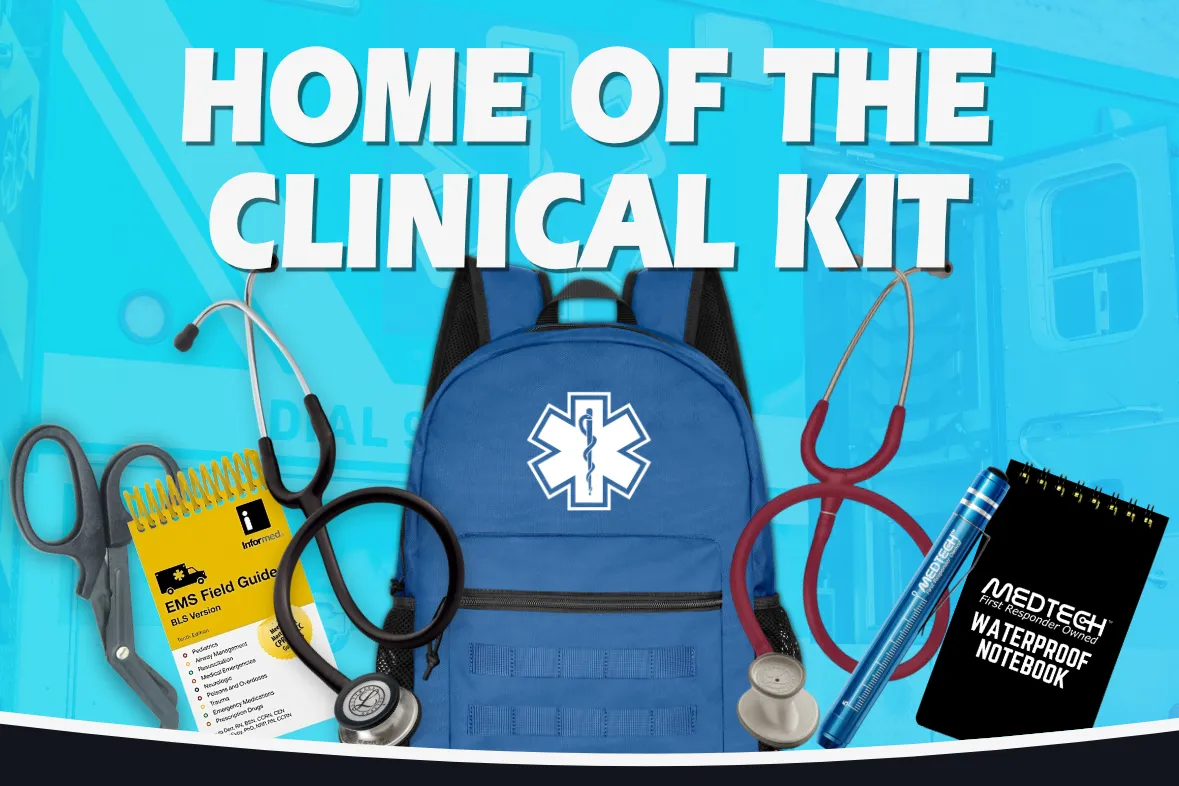

The quality of the main tools kept in a practitioner's trauma shears holster is often what makes emergency medicine accurate. The MedTech 7.5" titanium coated shears and their stainless steel counterparts are a big step forward in cutting technology that has been tested in the field.
Any piece of equipment that is meant to be used in an emergency clinical setting must be reliable. Choosing the right grade of metal makes sure that the blades stay strong through the hardest shift cycles.
The first step to making a professional medical kit better is to learn everything there is to know about equipment tiers. When you look at specialized coatings and ergonomic designs, you can see how certain features meet the needs of different skill levels and operational needs.
Empowering the Frontline: The MedTechKits Mission
MedTechKits' main goal is to address the imbalance between quality medical technology and the everyday accessibility that a complete medkit needs.
The brand makes it easier to get professional-grade gear that meets strict clinical standards by focusing on the specific feedback of first responders.
The brand helps medical professionals by carefully choosing materials that can handle the chaos of emergency scenes. They give professionals at every stage of their careers the confidence they need to do their jobs well by using purposeful engineering and strong construction.
Best Overall: MedTech 7.5" Titanium Coated Shears
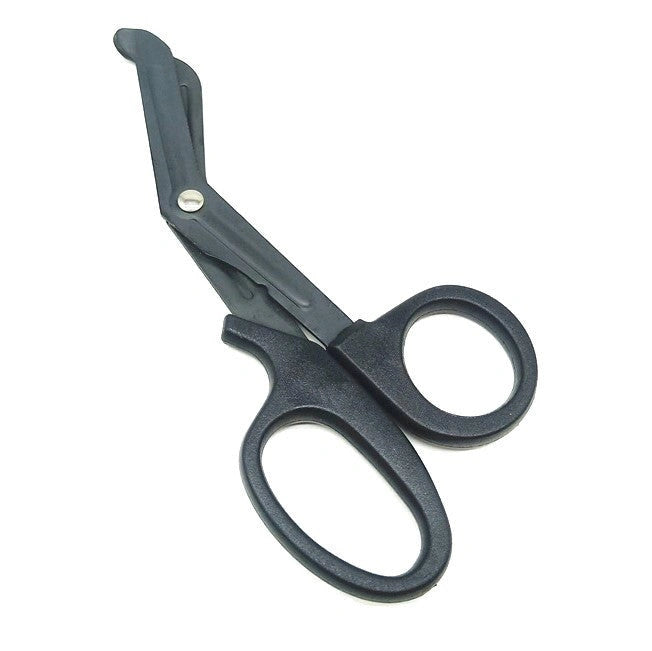
The titanium-coated trauma shears from MedTechKits stands as the premier choice for veterans who demand the highest level of edge retention and corrosion resistance.
By bonding a titanium layer to the stainless steel core, the manufacturer has created a blade that remains sharp significantly longer than traditional alternatives.
Beyond the metallurgical advantages, these shears feature a black-matte finish that reduces glare in intensive lighting or outdoor environments. The sophisticated coating process ensures that the serrated edges glide through heavy canvas and denim with minimal physical effort from the user.
Top Features for Paramedics and Nurses
The ergonomic design of these shears prioritizes the comfort of the clinician during extended shifts or complex extrications. Large, non-slip finger loops allow for a secure grip even when the operator is wearing multiple layers of nitrile gloves.
Furthermore, the reinforced center pivot bolt prevents the blades from spreading apart when encountering dense materials like leather belts. This structural integrity ensures a clean, consistent cut every time the handles are compressed.
Pros & Cons: Is the Upgrade Worth It?
Investing in a premium instrument offers a clear advantage in terms of tool longevity and consistent performance under stress. The primary benefit lies in the reduced need for frequent replacements, as the titanium surface resists the pitting and dulling common in standard steel.
On the other hand, the specialized coating may be considered an unnecessary luxury for those who only occasionally use their shears. While the performance is objectively superior, the fundamental utility remains similar across the product line for basic tasks.
Best for Students: 7.5" Stainless Steel EMT Shear
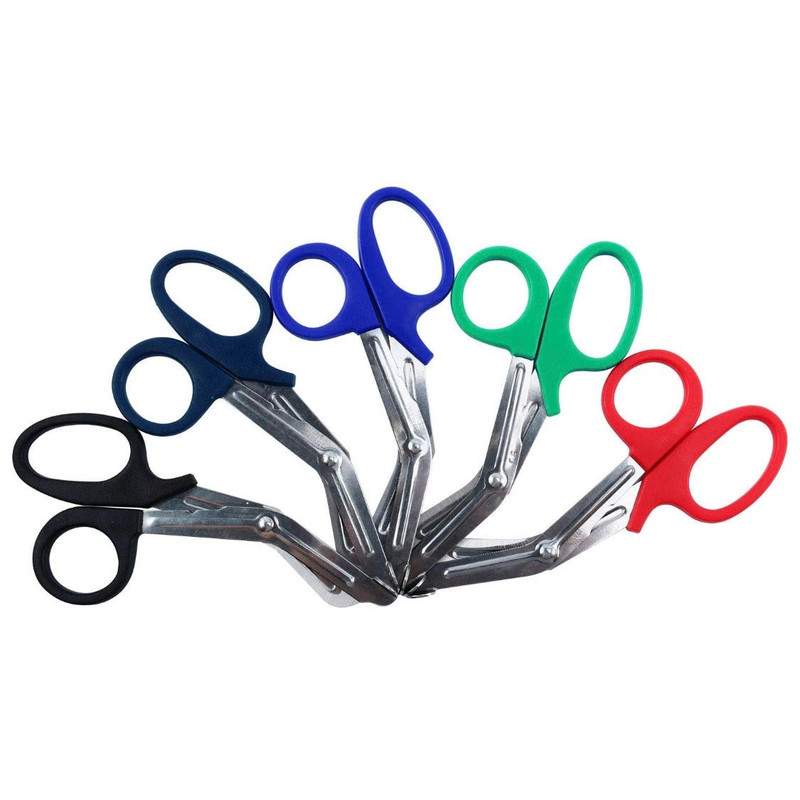
For those just beginning their journey into emergency medicine, standard stainless steel emt shears from MedTechKits offer a reliable starting point. They provide the cutting power needed to handle clothing removal and support the development of essential trauma assessment skills.
The robust stainless steel construction ensures that the tool remains hygienic and easy to clean after classroom simulations or clinical rotations. Because they are lightweight and balanced, they allow students to develop the manual dexterity required for safe patient exposure.
Reliability Meets Affordability
While these shears are designed for accessibility, they do not sacrifice the core functional requirements of a medical-grade instrument. The blades are precision-ground to ensure they can tackle the same tough materials found in emergency scenarios.
The simplified design also means there is no specialized coating to maintain or worry about during rugged training exercises. They serve as a dependable workhorse that can be easily replaced if lost in the chaotic environment of a busy emergency department.
Why This is a Staple for Clinical Kits
Medical educators frequently recommend these stainless steel shears because they provide a standardized experience for all trainees. Their presence in a clinical kit ensures that a student is prepared for the most common obstacles encountered during a primary survey.
Consistency across student equipment allows instructors to focus on teaching proper technique rather than troubleshooting varied gear. As students gain experience with these foundational emt tools, they begin to recognize the specific mechanical qualities that define a quality shear.
Key Features to Look for in Emergency Shears
Identifying a quality pair of shears requires an understanding of how specific design elements contribute to overall safety and efficiency. Every detail, from the curve of the handle to the tip of the blade, serves a deliberate purpose in a medical context.
The most critical aspect of any trauma shear is its ability to perform under unpredictable conditions without causing secondary injuries. This necessitates a combination of strength and ergonomic considerations that work in harmony.
Serrated Edges vs. Smooth Blades
A serrated lower blade is a hallmark of quality trauma shears because it grips the material during the cutting stroke. This prevents fabric from slipping forward, allowing the user to maintain a straight and controlled line through tough layers.
In contrast, smooth blades may struggle to bite into synthetic fibers, leading to jagged edges or stalled progress. The integration of a serrated edge ensures that the shears can saw through obstacles that would defeat standard household scissors.
Frequently Asked Questions
Q1. Can these shears safely cut through clothing without snagging on integrated body armor?
The serrated lower blade is designed to grip dense materials like ballistic nylon and reinforced belts without slipping. Unlike standard scissors that can bind on layered gear, the 7.5-inch frame provides enough leverage for a smooth, continuous cut during rapid patient exposure.
Q2. How do the plastic handles hold up against repeated exposure to disinfectant wipes and pathogens?
Both the titanium and stainless steel models feature non-porous handles designed to withstand the corrosive nature of common clinical cleaners like quaternary ammonium or bleach-based wipes. The material is specifically selected to prevent tackiness or degradation over time.
Q3. Will the pivot bolt loosen after heavy field use, and is there a way to retighten it to maintain cutting tension?
The center pivot is secured with a reinforced steel bolt designed to stay tight under the lateral pressure of cutting through thick winter coats or heavy denim. If the blades eventually develop a gap after extensive service, the tension can usually be restored with a standard tool.
Q4. Are these shears rated for use in an autoclave?
These medical-grade instruments are built to withstand the temperature and pressure cycles of a standard steam autoclave without compromising the integrity of the plastic or the alignment of the blades.
Building a More Complete Medkit
1. Tired of Cheap Bags Falling Apart? Meet the EMS Backpack
2. MedTechKits Flashlights: Lighting Tools for Emergency Response



























Sign in to leave a comment.