
Traveling can be a stressful and uncomfortable experience, especially if you're dealing with piles (hemorrhoids). Piles are swollen veins in the lower rectum or anus, which can cause pain, itching, and bleeding. Whether you're traveling for work or leisure, the discomfort of piles can make the journey less enjoyable. However, with a few careful preparations and practical tips, you can manage your symptoms and travel with greater ease.
Understanding Piles
Before diving into travel tips, it’s important to understand what piles are and how they can affect you. Piles are categorized into two types: internal and external. Internal piles are located inside the rectum and are usually painless, though they may cause bleeding. External piles, on the other hand, develop under the skin around the anus and can be very painful.
Common symptoms of piles include:
Pain and discomfort, especially when sittingItching or irritation around the anal regionSwelling or lumps near the anusBleeding during bowel movementsPre-Travel Preparation
Consult Your DoctorBefore you embark on your journey, it’s crucial to consult your healthcare provider. They can offer advice tailored to your condition and may prescribe medications or recommend over-the-counter treatments to manage your symptoms while traveling.
Pack EssentialsPrepare a travel kit with all the essentials you might need:
Over-the-counter creams or ointments to reduce pain and itchingMedications prescribed by your doctorWet wipes or medicated pads for gentle cleansingA cushion or inflatable seat pad to ease discomfort while sittingHigh-fiber snacks to help maintain regular bowel movements Plan Your ItineraryTry to plan your trip with as many breaks as possible. Whether traveling by car, plane, or train, sitting for long periods can worsen piles. Plan stops to stretch and move around every hour or two.
Tips for Traveling
Stay HydratedDrinking plenty of water is essential when managing piles. Dehydration can lead to constipation, which can exacerbate symptoms. Keep a bottle of water with you at all times and take sips regularly.
Eat a Fiber-Rich DietMaintaining a diet high in fiber is important to prevent constipation and ensure smooth bowel movements. Pack high-fiber snacks like fruits, vegetables, and whole grains. Avoid processed foods and those that can cause constipation.
Practice Good HygieneKeeping the anal area clean is crucial for managing piles. Use wet wipes or medicated pads after bowel movements instead of dry toilet paper, which can be irritating. If you’re on a long flight or train ride, consider using the restroom facilities to freshen up.
Use Cushions for ComfortSitting for long periods can be particularly painful if you have piles. Carry a cushion or an inflatable seat pad to provide extra comfort. These can be particularly useful on planes or long car rides.
Move AroundSitting in one position for too long can worsen piles. If you're on a flight or train, take the opportunity to stand up and walk around every hour or so. If you’re driving, plan regular stops to get out, stretch, and move around.
Avoid StrainingWhen using the restroom, avoid straining, as this can worsen piles. Take your time, and if you feel constipated, try to relax and give yourself more time. Drinking water and eating high-fiber foods can help prevent the need to strain.
Managing Discomfort
Apply Cold CompressesIf you experience swelling and pain during your travels, applying a cold compress can help reduce inflammation. Pack a small, portable ice pack that you can use when needed.
Take Pain Relief MedicationIf the pain becomes too much, consider taking over-the-counter pain relief medications like acetaminophen or ibuprofen, as recommended by your doctor. This can help manage pain and make your journey more comfortable.
Stay RelaxedStress and anxiety can exacerbate symptoms of piles. Practice relaxation techniques such as deep breathing, meditation, or listening to soothing music to keep stress levels in check.
Habilite Clinics: Your Partner in Piles Management
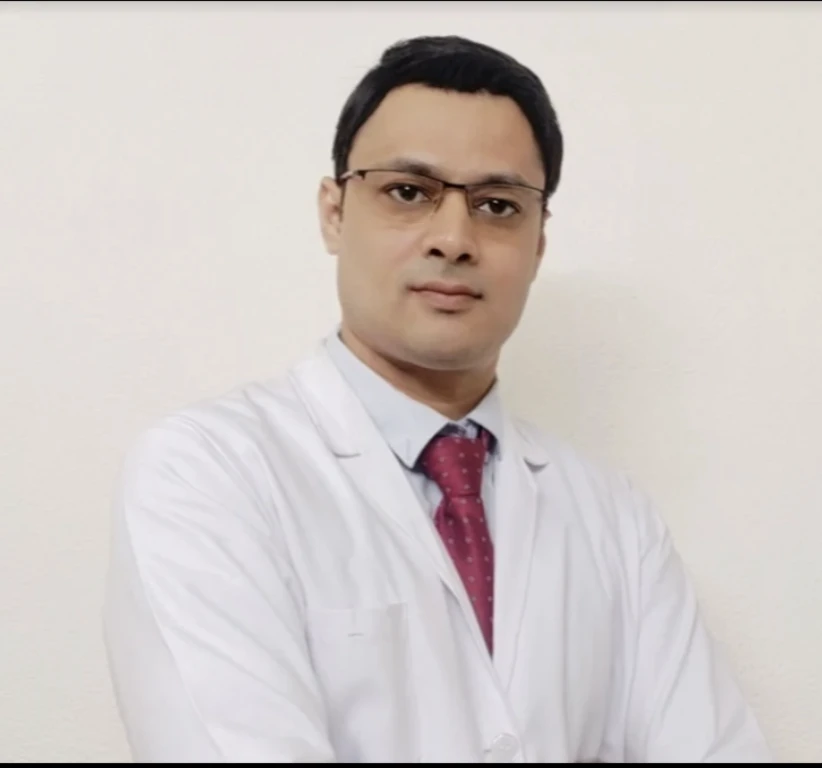
At Habilite Clinics, we understand that managing piles can be challenging, especially when you’re on the go. Our lead surgeon, Dr. Kapil Agrawal, is a board-certified expert with extensive experience in treating piles and other anorectal conditions. We are committed to providing you with comprehensive care and support tailored to your unique needs.




























Sign in to leave a comment.