

Pick up a loaf of bread on day four and you already know the problem. The crumb has dried out, the crust has gone leathery, and the flavour has flattened. Moisture loss is one of the quietest reasons packaged food fails, and it hits bakery, confectionery, dairy desserts and snack products alike. For formulators, keeping water where it belongs is a daily job.
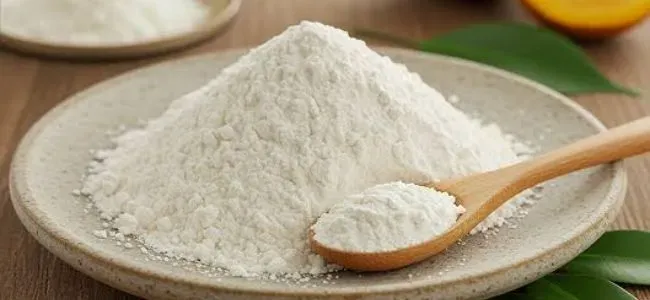
Trehalose powder is one of the more useful tools for that job. It holds moisture well, it behaves predictably in processing, and it does so without pushing sweetness through the roof. This article looks at why trehalose works as a humectant, where it fits, and what to check when choosing a trehalose supplier in Australia.
What is trehalose?
Trehalose is a disaccharide made of two glucose units. It occurs naturally in mushrooms, yeast, honey and a range of plants, and some organisms use it to survive drying and freezing. That survival role is a good clue to how it behaves in food.
Unlike sucrose, trehalose is a non-reducing sugar. In practical terms that means it is less prone to Maillard browning and holds up well to heat and acidic conditions. It is also noticeably milder in taste, with sweetness often quoted at roughly half that of sucrose.
How trehalose works as a humectant
A humectant attracts and binds water. In a food system, what matters is not only how much water is present but how freely it can move. Free water drives staling, hardening, microbial growth and ingredient migration. Bound water stays put.
Trehalose forms stable hydrogen bonds with water molecules, which helps hold moisture inside the product and lowers the amount of water that is free to move or evaporate. The result shows up in a few ways:
- Softer, fresher texture for longer, especially in baked goods
- Reduced dryness at the surface and edges
- Better stability during storage and distribution
This is why trehalose is described as a humectant and anti-settling agent in many ingredient specifications, and PUREHALOSE™ trehalose is one example of a food-grade powder supplied for exactly this purpose. It supports water management inside the formula rather than just adding bulk or sweetness.
More than moisture: other functional benefits
Moisture retention is the headline, but trehalose tends to help in other places too.
Crystallisation control. In high-sugar products such as fondants, fillings and glazes, trehalose helps keep textures smooth and discourages graininess over time.
Cryoprotection. Freezing and thawing damage structure. Trehalose helps protect delicate textures in frozen doughs, desserts and prepared meals.
Flavour and mouthfeel. Because it is mild, trehalose tends to let the original flavour come through rather than masking it. Many formulators also report a cleaner, rounder mouthfeel.
Shelf-life support. By slowing moisture loss and texture change, it contributes to a longer window of acceptable quality. It works alongside, not instead of, good packaging and proper preservation.
Where trehalose is used
Bakery and dough. Helps slow staling, keeps crumb soft, and supports frozen dough performance.
Confectionery. Supports smooth texture, reduces sugar graining, and helps keep soft centres from drying out.
Beverages. Contributes to mouthfeel, protects flavour, and can help keep suspended ingredients from settling.
Dairy and frozen desserts. Helps maintain body and texture through freeze-thaw cycles.
Nutraceuticals and supplements. Used as a stabilising carrier in powders and blends where sensitive ingredients need protection.
Trehalose compared with other humectants
Glycerol and sorbitol are the usual alternatives, and both work well. The differences are worth weighing.
Glycerol and sorbitol are polyols, so they come with their own sensory profiles and labelling considerations, and at higher inclusion levels they can affect taste or tolerance. Invert sugar is a cheap and effective humectant, but it is more reactive and can push browning.
Trehalose sits in a different spot. It is a sugar with low reactivity, mild sweetness and good stability, which makes it attractive for products where flavour, colour and a clean label matter. It is not always the cheapest option, and it will not be the right answer for every formula, so small-scale trials are the sensible way to decide.
Choosing a trehalose supplier in Australia
A good formula can be undone by an inconsistent ingredient. When you are comparing a trehalose supplier in Australia, check the following:
- Purity and grade. Confirm food-grade quality and ask for a specification sheet and certificate of analysis.
- Certifications. If you are looking for organic trehalose powder, ask for current organic certification and documentation. Do not assume it. Many products are simply food grade, and the paperwork will tell you which you have.
- Packaging and minimum order. Check pack sizes and MOQs against your production volumes. A 25 kg box with a 25 kg minimum, for example, suits trials and small runs.
- Supply reliability. Ask about stock levels and lead times, particularly if you plan to scale.
- Technical support. A supplier who can talk through dosage, processing conditions and application is worth more than a price list.
If you are not sure where to start, I would suggest asking for a sample of PUREHALOSE™ trehalose powder from Food Ingredients Australia in Melbourne. It is a food-grade option that suits small trials, and it is easy to test across bakery, confectionery, beverage and dairy applications.
Final thoughts
Moisture control rarely gets the attention that flavour or sweetness does, yet it decides whether a product still tastes good at the end of its shelf life. Trehalose powder gives formulators a natural, stable and mild-tasting way to hold water, protect texture and support freshness. Start with a small trial in your own matrix, measure texture and water activity over time, and let the results guide the dosage.




















Sign in to leave a comment.